


Ламберто Занниер: "Этого не происходит. Чего-то не хватает"
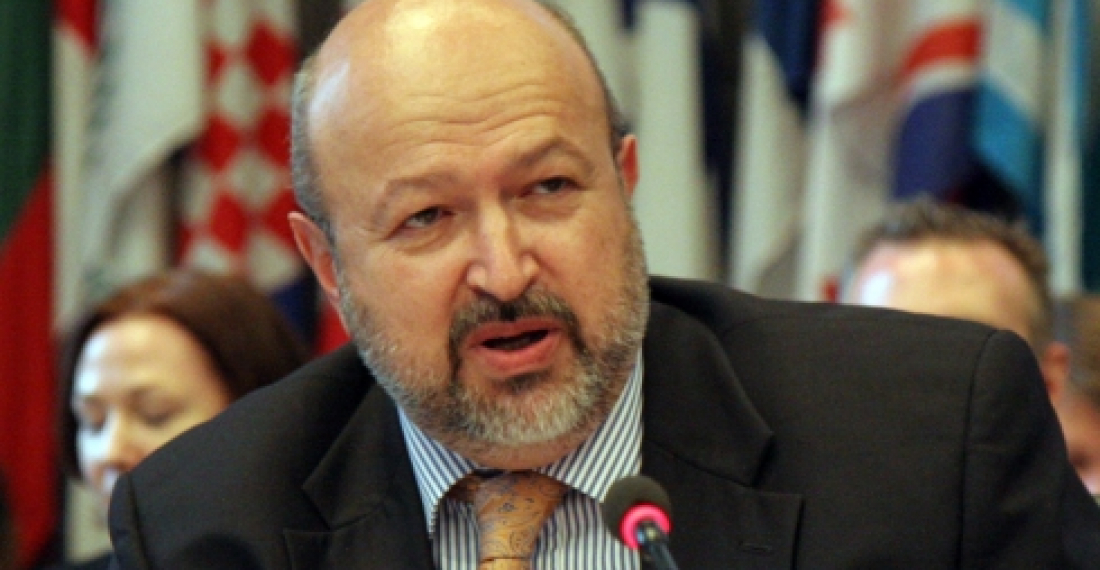
Генеральным секретарем ОБСЕ Ламберто Занниер рассказал о роли ОБСЕ в разрешении нагорно-карабахского конфликта, в эксклюзивном интервью Today's Zaman.

Говоря о нынешней тупиковой ситуации в переговорах Занниер сказал, что в этом нет ничего нового - Минская группа ОБСЕ содействует переговорам с 1994 года, но безрезультатно. "Я констатирую факт - этого [прогресса] не происходит, чего-то не хватает."

Занниер отстаивал роль ОБСЕ в процессе урегулирования карабахского конфликта. "Я не говорю, что у нас монополия, но почему это не должно происходить в формате ОБСЕ. Это региональная организация, которая занимается вопросами безопасности. Существует мнение, что вопрос должен быть перенесен в другой формат, но я не уверен, что перенесение этого вопроса  может помочь решить проблему. Нет ничего плохого в организации, занимающейся решением проблемы. Проблема в существе вопроса ", сказал он в ответ на критику работы ОБСЕ по конфликту.

Пока ОБСЕ делает всё что в её силах, Занниер говорит, что многое зависит от сторон вовлеченных в конфликт, которые должны активизироваться. Занниер подчеркнул, что стороны должны проявить политическую волю, чтобы разрешить исторический  конфликт. "Сегодня утром я сказал, что много внимания уделяется механизму решения проблемы, но есть еще и вопрос о том, готовы ли стороны пойти на сделку", сказал он.

Занниер сказал, что механизм можно было бы улучшить, но он также подчеркнул, что в конце концов, власть принадлежит странам-членам. "Вы можете привести лошадь к воде, но вы не можете заставить лошадь пить. Это примерно то же самое. Между тем мы пытаемся создать необходимые условия. Мы пытаемся управлять ситуацией на местах, но ситуация становится проблематичной в вопросах безопасности ", сказал он. Следующим шагом, по словам Генерального секретаря ОБСЕ, является не дать проблеме обостриться еще больше. "[В общем], если мы не можем выстроить все условия и решить конфликт, то следующее лучшее, что мы можем сделать, это управлять этой проблемой, чтобы она не усугубилась. Так что это наш следующий шаг. Это зависит от всех, необходимо, чтобы все продолжали прилагать усилия под разными углами", подчеркнул он.

Источник: commonspace.eu по материалам Todays Zaman

Фото: любезно предоставлено OSCE

Related articles

Editor's choice
News
Aden under curfew, as problem in Yemen's south deepens

Aden under curfew, as problem in Yemen's south deepens

The port city of Aden, in Yemen's south, has been put under curfew, as the rift in the country between  the Saudi led coalition which  backs Yemen's presidential governing council, and the southern forces led by the Southern Transitional Council (STC), deepens. Abdul Rahman al-Mahrami, a member of the Yemeni Presidential Governing Council and commander of the al-Amalik brigades, has ordered a curfew in the temporary capital, Aden, "to maintain security". "A curfew has been imposed throughout Aden Governorate from 9:00 p.m. to 6:00 a.m., in accordance with the instructions of Commander Abdul Rahman al-Mahrami, a member of the Presidential Management Council," the statement said. It states that only security and military personnel, as well as medical and technical teams with approved permits, will be allowed to move in the area during these hours. Yemen's presidential council, which is backed by Saudi Arabia and which already is in a struggle with the Houthi Movement in the north of the country who also occupy the capital Sanaa, two days ago issued an order for the arrest of the head of the Southern Transitional Council (STC),, Aidarous al Zubaidi. The STC have wide support among people in the South, and advocate that South Yemen restores its independence. The coalition warned of further escalation in Aden, long regarded as an STC stronghold, as the Presidential Leadership Council (PLC) chief accused STC leader Aidarous Al Zubaidi of “high treason” and announced the revocation of his membership in the governing body. The moves mark a sharp escalation in tensions within the anti-Houthi camp, despite National Shield Forces, rivals of the STC and former allies, having recently retaken control of Hadhramaut and Mahra from southern fighters. The STC’s takeover of the two regions last month angered Saudi Arabia and contributed to igniting the current internal conflict. (click the picture to read more)

Popular

Editor's choice
News
Aden under curfew, as problem in Yemen's south deepens

Aden under curfew, as problem in Yemen's south deepens

The port city of Aden, in Yemen's south, has been put under curfew, as the rift in the country between  the Saudi led coalition which  backs Yemen's presidential governing council, and the southern forces led by the Southern Transitional Council (STC), deepens. Abdul Rahman al-Mahrami, a member of the Yemeni Presidential Governing Council and commander of the al-Amalik brigades, has ordered a curfew in the temporary capital, Aden, "to maintain security". "A curfew has been imposed throughout Aden Governorate from 9:00 p.m. to 6:00 a.m., in accordance with the instructions of Commander Abdul Rahman al-Mahrami, a member of the Presidential Management Council," the statement said. It states that only security and military personnel, as well as medical and technical teams with approved permits, will be allowed to move in the area during these hours. Yemen's presidential council, which is backed by Saudi Arabia and which already is in a struggle with the Houthi Movement in the north of the country who also occupy the capital Sanaa, two days ago issued an order for the arrest of the head of the Southern Transitional Council (STC),, Aidarous al Zubaidi. The STC have wide support among people in the South, and advocate that South Yemen restores its independence. The coalition warned of further escalation in Aden, long regarded as an STC stronghold, as the Presidential Leadership Council (PLC) chief accused STC leader Aidarous Al Zubaidi of “high treason” and announced the revocation of his membership in the governing body. The moves mark a sharp escalation in tensions within the anti-Houthi camp, despite National Shield Forces, rivals of the STC and former allies, having recently retaken control of Hadhramaut and Mahra from southern fighters. The STC’s takeover of the two regions last month angered Saudi Arabia and contributed to igniting the current internal conflict. (click the picture to read more)



