


"Больше за большее" превращается в "меньше за меньшее"?
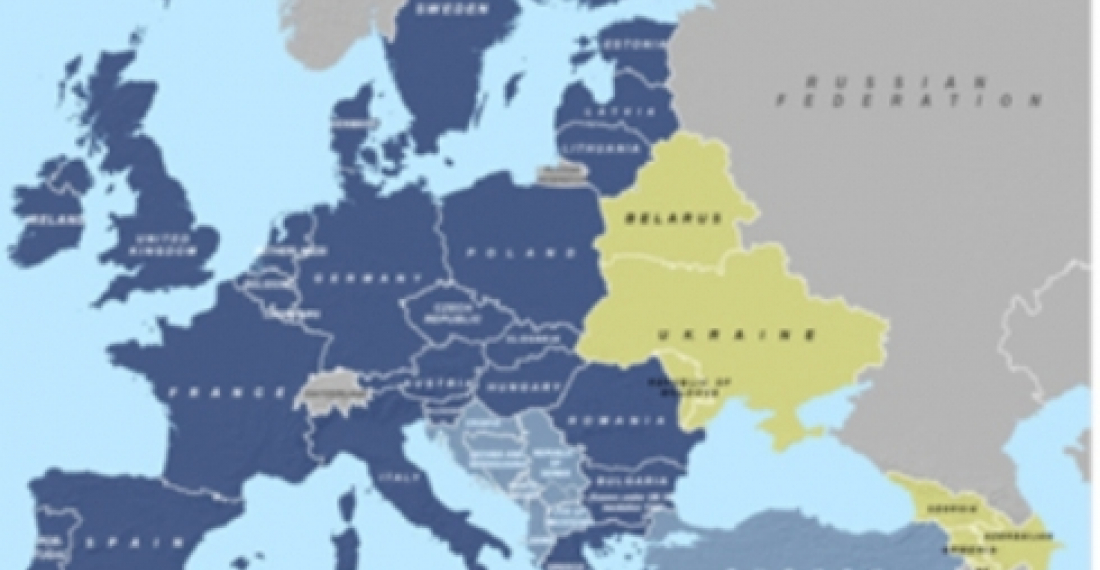
Европейский союз вынужден пересмотреть свою стратегию в отношении целого ряда ее восточных соседей после серии неудач в области прав человека и демократического управления в нескольких из шести стран-партнеров.

При запуске Восточное партнерство было воспринят как механизм, который позволил бы ЕС и шести ближайшим соседям, Азербайджану, Армении, Беларуси, Грузии, Молдове и Украине, извлечь выгоду из тесных отношений с Европейским Союзом, щедрую экономическую помощь и перспективы дальнейшей интеграции. Был выдуман лозунг "больше за большее" - страны-партнеры получат больше, если они предпримут больше шагов в области реформ, как политических, так и экономических.

За последние месяцы однако, достижения нескольких из шести стран-партнеров в отношении прав человека, основных свобод и демократического управления, прошли путь от плохих к ещё худшим. Сначала была Беларусь, с которой Европейский Союз имел сложные отношения в течение многих лет. Дело дошло до главного саммита Восточного партнерства в Варшаве в конце сентября, когда страны-партнеры отказались присоединиться к ЕС в осуждении Беларуси.

Есть нерешенные вопросы, а в последнее время также возникли новые вопросы со странами Южного Кавказа.

Тем не менее, решение киевского суда приговорить бывшего украинского премьер-министра Юлии Тимошенко к семи годам лишения свободы, превращает то, что было проблемой в кризис. Европейский Союз - вместе с США, Великобританией, Россией и генеральным секретарем ООН - осудили киевский суд и в значительной степени обвиняют украинское правительство в преследовании своих оппонентов. Это когда Киев председательствует в Совете Европы, и скоро будет председательствовать в ОБСЕ.

В заявлении Европейского Союза четко сказано, что ЕС должна пересмотреть свои отношения с Украиной. В то время как мирный и упорядоченный переход власти от президента Ющенко к Президенту Януковичу обозначил высокую точку в политической зрелости Украины, тюремное заключение Тимошенко является свидетельством того, насколько значительно ситуация ухудшилась с тех пор.

Европейский Союз не может игнорировать события в странах восточных соседей. Вполне возможно, что лозунг "больше за большее" превратится в "меньше за меньшее".

Этот комментарий был подготовлен редакционной группой www.commonspace.eu

Related articles

Editor's choice
News
Aden under curfew, as problem in Yemen's south deepens

Aden under curfew, as problem in Yemen's south deepens

The port city of Aden, in Yemen's south, has been put under curfew, as the rift in the country between  the Saudi led coalition which  backs Yemen's presidential governing council, and the southern forces led by the Southern Transitional Council (STC), deepens. Abdul Rahman al-Mahrami, a member of the Yemeni Presidential Governing Council and commander of the al-Amalik brigades, has ordered a curfew in the temporary capital, Aden, "to maintain security". "A curfew has been imposed throughout Aden Governorate from 9:00 p.m. to 6:00 a.m., in accordance with the instructions of Commander Abdul Rahman al-Mahrami, a member of the Presidential Management Council," the statement said. It states that only security and military personnel, as well as medical and technical teams with approved permits, will be allowed to move in the area during these hours. Yemen's presidential council, which is backed by Saudi Arabia and which already is in a struggle with the Houthi Movement in the north of the country who also occupy the capital Sanaa, two days ago issued an order for the arrest of the head of the Southern Transitional Council (STC),, Aidarous al Zubaidi. The STC have wide support among people in the South, and advocate that South Yemen restores its independence. The coalition warned of further escalation in Aden, long regarded as an STC stronghold, as the Presidential Leadership Council (PLC) chief accused STC leader Aidarous Al Zubaidi of “high treason” and announced the revocation of his membership in the governing body. The moves mark a sharp escalation in tensions within the anti-Houthi camp, despite National Shield Forces, rivals of the STC and former allies, having recently retaken control of Hadhramaut and Mahra from southern fighters. The STC’s takeover of the two regions last month angered Saudi Arabia and contributed to igniting the current internal conflict. (click the picture to read more)

Popular

Editor's choice
News
Aden under curfew, as problem in Yemen's south deepens

Aden under curfew, as problem in Yemen's south deepens

The port city of Aden, in Yemen's south, has been put under curfew, as the rift in the country between  the Saudi led coalition which  backs Yemen's presidential governing council, and the southern forces led by the Southern Transitional Council (STC), deepens. Abdul Rahman al-Mahrami, a member of the Yemeni Presidential Governing Council and commander of the al-Amalik brigades, has ordered a curfew in the temporary capital, Aden, "to maintain security". "A curfew has been imposed throughout Aden Governorate from 9:00 p.m. to 6:00 a.m., in accordance with the instructions of Commander Abdul Rahman al-Mahrami, a member of the Presidential Management Council," the statement said. It states that only security and military personnel, as well as medical and technical teams with approved permits, will be allowed to move in the area during these hours. Yemen's presidential council, which is backed by Saudi Arabia and which already is in a struggle with the Houthi Movement in the north of the country who also occupy the capital Sanaa, two days ago issued an order for the arrest of the head of the Southern Transitional Council (STC),, Aidarous al Zubaidi. The STC have wide support among people in the South, and advocate that South Yemen restores its independence. The coalition warned of further escalation in Aden, long regarded as an STC stronghold, as the Presidential Leadership Council (PLC) chief accused STC leader Aidarous Al Zubaidi of “high treason” and announced the revocation of his membership in the governing body. The moves mark a sharp escalation in tensions within the anti-Houthi camp, despite National Shield Forces, rivals of the STC and former allies, having recently retaken control of Hadhramaut and Mahra from southern fighters. The STC’s takeover of the two regions last month angered Saudi Arabia and contributed to igniting the current internal conflict. (click the picture to read more)



