


Анализ: В новом отчете Crisis Group говорится, что Армении и Азербайджану необходимо выкопать себя из карабахского конфликта

Международная кризисная группа (The International Crisis Group) только что опубликовала новый доклад о ситуации вокруг нагорно-карабахского конфликта, в котором говорится, что «в отсутствие переговоров, пропасть, разделяющая обе стороны и общества по каждому вопросу, вероятно, расширится. Возвращение к столу переговоров будет сложным, но это единственный способ, которым Армения и Азербайджан могут начать поиски выхода из тупика".

В докладе также сказано:

"Лидеры Армении и Азербайджана должны извлечь выгоду из шагов, предпринятых после вспышки насилия на передовой в апреле 2016 года, чтобы начать прямые переговоры по вопросам, лежащим в основе их противостояния. Узкое окно для этого рискует закрыться.

Разногласия по поводу судьбы этих территорий, прилегающих к Нагорному Карабаху, обеспечения безопасности населения, проживающего в зоне конфликта, и статуса Нагорного Карабаха всегда обсуждались как единый пакет. Это заблокировало прогресс.

➤ На прилегающих территориях обе стороны должны обсудить поселения, построенные после войны 1992-1994 годов. Временное замораживание расширения поселений в обмен на обещание Азербайджана не преследовать в судебном порядке или вводить новые санкции может создать пространство для переговоров.

➤ Что касается мер безопасности, стороны могли бы наделить ОБСЕ полномочиями активизировать деятельность Группы планирования высокого уровня для переоценки вариантов миротворчества. Предложения России о развертывании войск последовательно отвергались Арменией, Азербайджаном или обоими.

➤ Позиции сторон по статусу Нагорного Карабаха все еще далеки друг от друга, но полуформальные или неформальные переговоры все же могут быть полезными и могут помочь избежать рисков, который могут возникнуть в результате оглашения официальных переговоров.

В отчете делается вывод:

"Прямые переговоры между сторонами неизбежно влекут за собой риски. Они могут подчеркнуть расстояние между позициями обеих сторон, тем самым разжигая взаимный гнев и потенциально обращая вспять успехи, достигнутые в последние месяцы. Но годы продолжающегося тупика поставили потенциальное решение еще дальше вне досягаемости и изолировали армян и азербайджанцев друг от друга. Чем больше времени уйдет, тем больше укоренившихся фактов на местах, тем труднее будет повернуть процесс вспять и тем больше риск войны. Если переговоры и могут усугубить ситуацию, то их дальнейшее отсутствие почти наверняка приведет к этому. Возвращение к столу переговоров будет трудным, но это единственный способ для Армении и Азербайджана выйти из тупика."

С полным текстом доклада можно ознакомиться на сайте Международной кризисной группы здесь.

источник: commonspace.eu по материалам Международной кризисной группой

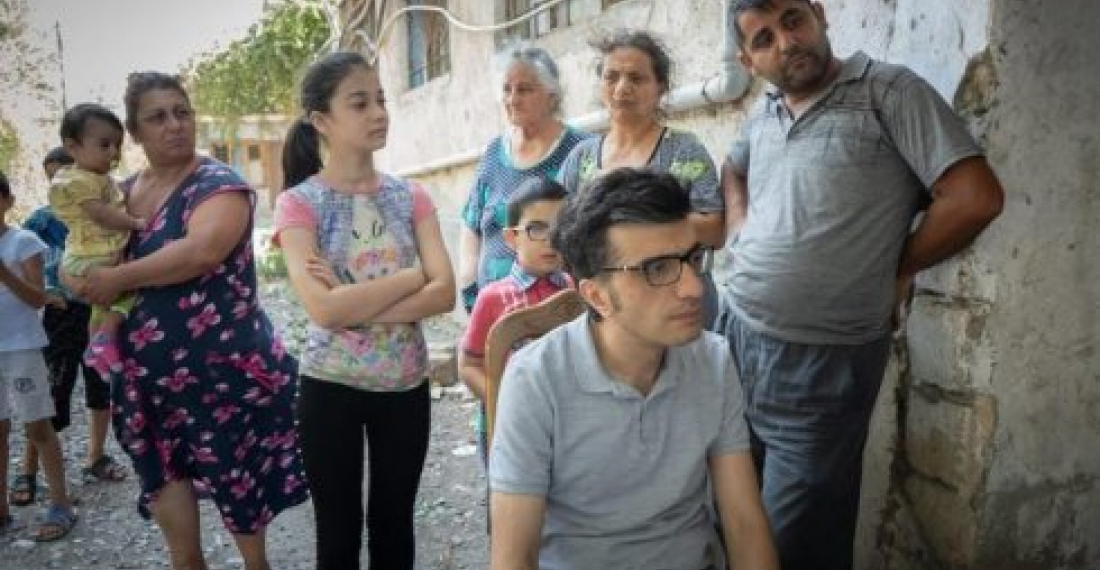
Фото 1: Эксперт Международной кризисной группой Заур Шириев встречается с ВПЛ Азербайджана, проживающими вблизи Линии соприкосновения. (Фото предоставлено Международной кризисной группой)

фото 2: Армянский житель показывает эксперту Международной кризисной группой Олесе Вартанян позиции армянских и азербайджанских военных. (Фото любезно предоставлено Международной кризисной группой).

Мнения, выраженные в этой статье, не обязательно отражают точку зрения commonspace.eu или его партнеров.


Related articles

Editor's choice
News
Council of Europe launches new International Claims Commission for Ukraine

Council of Europe launches new International Claims Commission for Ukraine

Thirty-four countries and the European Union have signed a new convention establishing an International Claims Commission for Ukraine at a diplomatic conference co-hosted by the 46-nation Council of Europe and the Netherlands in the Hague. The diplomatic conference was attended by leaders and high-level representatives from over 50 states, including the President of Ukraine, Volodymyr Zelenskyy, the President of the Republic of Moldova, Maia Sandu, and the Prime Minister of the Netherlands, Dick Schoof.  “Today marks a major step forward in ensuring accountability for Ukraine. The International Claims Commission represents justice and hope for tens of thousands of victims—our determination that those who have suffered will not be forgotten. I call for quick ratifications so we can get the commission rapidly up and running for the people of Ukraine,” said Council of Europe Secretary General Alain Berset. Ukrainian President Volodymyr Zelenskyy said: “We expect that every mechanism for compensation from the Register of Damage and Claims Commission to the actual payments – will start working and receive strong and sufficient international support, so that people can truly feel that any kind of damage caused by the war can be compensated. This war, and Russia’s responsibility for it, MUST become a clear example – so that others learn not to choose aggression.” “Accountability is about creating the conditions for peace that endures. And therefore, accountability is a condition of security – today and for the future. But accountability is not only about Ukraine. And it is not only about one aggressor and one victim. Accountability is about Europe. About every country in Europe. It is about whether Europe, as a whole, is willing to defend its peace,” said Maia Sandu, President of the Republic of Moldova, which currently holds the Presidency of the Council of Europe’s Committee of Ministers. The Prime Minister of the Netherlands, Dick Schoof, said: “Every day Russia is deliberately bombarding homes, destroying businesses and damaging infrastructure in Ukraine. Russia must compensate Ukraine for the damage caused. That is why we have launched the International Claims Commission for Ukraine and we are honoured to host it.” The International Claims Commission will be the second part of a comprehensive compensation mechanism related to Russia’s war of aggression, building on the existing Register of Damage for Ukraine. The claims commission will be established within the framework of the Council of Europe and will also be open to other countries. The Register of Damage for Ukraine, created in 2023, collects and records compensation claims submitted by individuals, organisations and public bodies in Ukraine. Forty-four states and the European Union have so far joined the Register, which has already received 86,000 claims. The International Claims Commission will review, assess and decide upon claims submitted to the Register of Damage for Ukraine and determine the amount of compensation, if any, which is due in each case. The convention establishing the commission will enter into force once it has been ratified by 25 signatories, as long as sufficient funds have been secured to support its initial work.

Popular

Editor's choice
News
Council of Europe launches new International Claims Commission for Ukraine

Council of Europe launches new International Claims Commission for Ukraine

Thirty-four countries and the European Union have signed a new convention establishing an International Claims Commission for Ukraine at a diplomatic conference co-hosted by the 46-nation Council of Europe and the Netherlands in the Hague. The diplomatic conference was attended by leaders and high-level representatives from over 50 states, including the President of Ukraine, Volodymyr Zelenskyy, the President of the Republic of Moldova, Maia Sandu, and the Prime Minister of the Netherlands, Dick Schoof.  “Today marks a major step forward in ensuring accountability for Ukraine. The International Claims Commission represents justice and hope for tens of thousands of victims—our determination that those who have suffered will not be forgotten. I call for quick ratifications so we can get the commission rapidly up and running for the people of Ukraine,” said Council of Europe Secretary General Alain Berset. Ukrainian President Volodymyr Zelenskyy said: “We expect that every mechanism for compensation from the Register of Damage and Claims Commission to the actual payments – will start working and receive strong and sufficient international support, so that people can truly feel that any kind of damage caused by the war can be compensated. This war, and Russia’s responsibility for it, MUST become a clear example – so that others learn not to choose aggression.” “Accountability is about creating the conditions for peace that endures. And therefore, accountability is a condition of security – today and for the future. But accountability is not only about Ukraine. And it is not only about one aggressor and one victim. Accountability is about Europe. About every country in Europe. It is about whether Europe, as a whole, is willing to defend its peace,” said Maia Sandu, President of the Republic of Moldova, which currently holds the Presidency of the Council of Europe’s Committee of Ministers. The Prime Minister of the Netherlands, Dick Schoof, said: “Every day Russia is deliberately bombarding homes, destroying businesses and damaging infrastructure in Ukraine. Russia must compensate Ukraine for the damage caused. That is why we have launched the International Claims Commission for Ukraine and we are honoured to host it.” The International Claims Commission will be the second part of a comprehensive compensation mechanism related to Russia’s war of aggression, building on the existing Register of Damage for Ukraine. The claims commission will be established within the framework of the Council of Europe and will also be open to other countries. The Register of Damage for Ukraine, created in 2023, collects and records compensation claims submitted by individuals, organisations and public bodies in Ukraine. Forty-four states and the European Union have so far joined the Register, which has already received 86,000 claims. The International Claims Commission will review, assess and decide upon claims submitted to the Register of Damage for Ukraine and determine the amount of compensation, if any, which is due in each case. The convention establishing the commission will enter into force once it has been ratified by 25 signatories, as long as sufficient funds have been secured to support its initial work.

