


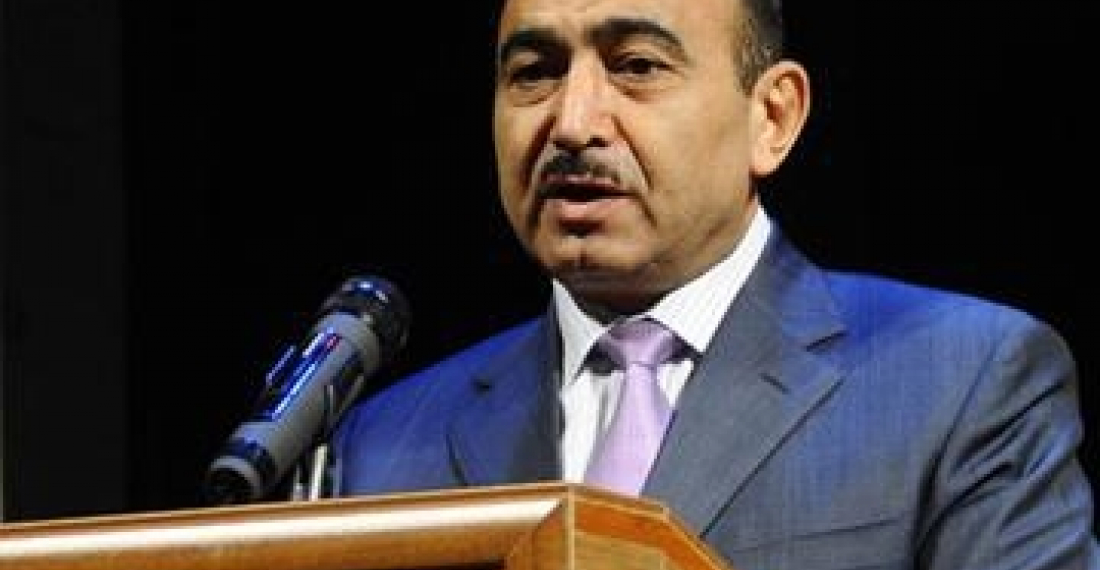
Али Гасанов: «Создание Конфедерации на Южном Кавказе пока нереально»

Интервью с заведующим отделом по общественно-политическим вопросам Администрации Президента Азербайджанской Республики Али Гасановым.

- В последнее время вновь активно муссируется вопрос создания Конфедерации Азербайджан-Турция или Турция-Азербайджан-Грузия, или же даже Конфедерации Грузия-Азербайджан. К примеру, в своем последнем заявлении грузинским СМИ заместитель министра иностранных дел этой страны Нино Каландадзе заявила о готовности своего государства объединиться в конфедерацию с Азербайджаном. Что вы, как официальный представитель Администрации Президента, думаете об этом?

- Знаете, это не такой уж и простой вопрос. Конечно, такого рода идеи существуют, в различное время они озвучивались теми или иными политиками, и это становилось объектом обсуждений. Пример конфедерации был раньше и на Южном Кавказе. В то время, пока три южно-кавказских страны не вошли по отдельности в состав СССР, существовала Закавказская конфедерация. Аналогичные идеи высказывались и в последующие периоды.

В Европейском Союзе также высказываются идеи о том, что после того как страны Южного Кавказа решат между собой все конфликтные ситуации и объединятся в единую конфедерацию, сделают прозрачными границы, упростят свои таможенно-пропускные вопросы, вопросы въезда-выезда и др., то в будущем вполне возможна интеграция этих государств в Евросоюз.

Ведь сегодня в различных точках планеты либо применяется, либо изучается опыт конфедераций или межгосударственных объединений на примере ЕС. Такие вопросы обсуждаются, но они не просты. В случае если такие вопросы станут актуальными, то они потребуют серьезного обсуждения. Этот вопрос должен стать объектом серьезных обсуждений со стороны общественности, парламентов, общественно-политических кругов государств, необходимо определить все его положительные и отрицательные аспекты. В связи с этим сегодня невозможно однозначно сказать конкретное «да» или «нет» реализации этой идеи. Имеются идеи, ведутся обсуждения, будущее покажет, насколько эта идея верна, насколько высока вероятность ее реализации, какие положительные или отрицательные особенности она может иметь.

- Как вы считаете, если этот процесс приблизится к реализации, может ли это вызвать жесткую реакцию и давление наших северных и южных соседей?

- Я бы не хотел давать какие-то прогнозы о том, чего пока еще не существует. Пока такой вопрос нереален и не наблюдается серьезной реакции на него. Конечно, в случае реализации этой идеи определенные круги выступят, исходя из своих собственных интересов, и прибегнут к тем или иным шагам.

Например, на днях в Батуми на конференции я заявил о существовании определенных кругов и сил, незаинтересованных в наличии мира, стабильности и межнациональной дружбы между странами Южного Кавказа, желающих, чтобы эти народы и государства постоянно пребывали в конфликтном состоянии друг с другом. Однако после того как народы, нации, государства точно определят круг своих интересов и придут к конкретному решению, то внешние силы никак не смогут на них воздействовать. Поэтому я пока не хочу комментировать то, чего еще нет. Поживем, увидим.

- Говоря о внешних силах, вы подразумеваете официальные круги или какие-то силовые центры?

- Мне бы не хотелось конкретизировать их. Среди них могут быть и государства, и те или иные общественно-политические круги и группы. Например, скажем так: в каждой стране имеются различные сообщества. Существуют и националисты, и интернационалисты, имеются и те, кто интересы отдельных стран приносят в жертву своих собственных.

Есть и те, кто сегодня предлагает оккупировать весь мир и вновь разделить его между 3-4 силами влияния. То есть могут быть различные силы, но я не хотел бы конкретизировать это.

Камиль Хамзаоглу, Расим Бабаев

1news.az

Related articles

Editor's choice
News
Borrell tells the European Parliament that the situation in Afghanistan was critical, but the EU will remain engaged

Borrell tells the European Parliament that the situation in Afghanistan was critical, but the EU will remain engaged

Borrell underlined that the European Union will make every effort to support the peace process and to remain a committed partner to the Afghan people. "Of course, we will have to take into account the evolving situation, but disengagement is not an option.  We are clear on that: there is no alternative to a negotiated political settlement, through inclusive peace talks.
Editor's choice
News
Germany accuses Russia of cyberattacks and disinformation campaign

Germany accuses Russia of cyberattacks and disinformation campaign

The German government holds Russia responsible for a cyberattack on German air traffic control, and for targeted disinformation campaigns before the last federal election. According to the German Foreign Office in Berlin, the incidents could be clearly attributed to the Russian military intelligence service, the GRU. In response, the Russian ambassador to Berlin was summoned to the Foreign Ministry. "We have been observing a massive increase in threatening hybrid activities by Russia for some time now," a spokesperson for the Foreign Ministry stated. These range from disinformation campaigns and espionage to cyberattacks and sabotage attempts. The aim is to divide society, sow distrust, and undermine confidence in democratic institutions. The spokesperson added that with these actions, Russia is "very concretely threatening our security, not only through its war of aggression against Ukraine, but also here in Germany."  The Foreign Ministry spokesperson explained that the cyberattack on air traffic control in August 2024 was clearly attributed to the hacker collective "APT28," known as "Fancy Bear," and to the responsibility of the Russian military intelligence service, the GRU. Furthermore, it could now be "conclusively stated" that Russia had attempted "to influence and destabilize both the last Federal election and the ongoing internal affairs of the Federal Republic of Germany." There was "absolutely irrefutable evidence" for this". The so-called "Storm 1516" campaign, which has been running since 2024, is allegedly backed by "reliable information" that the Moscow-based think tank "Center for Geopolitical Expertise" is behind it. The Center is also said to be supported by Russian military intelligence. Its primary aim is to influence democratic elections in the West. (Click the image to read more).

Popular

Editor's choice
News
Germany accuses Russia of cyberattacks and disinformation campaign

Germany accuses Russia of cyberattacks and disinformation campaign

The German government holds Russia responsible for a cyberattack on German air traffic control, and for targeted disinformation campaigns before the last federal election. According to the German Foreign Office in Berlin, the incidents could be clearly attributed to the Russian military intelligence service, the GRU. In response, the Russian ambassador to Berlin was summoned to the Foreign Ministry. "We have been observing a massive increase in threatening hybrid activities by Russia for some time now," a spokesperson for the Foreign Ministry stated. These range from disinformation campaigns and espionage to cyberattacks and sabotage attempts. The aim is to divide society, sow distrust, and undermine confidence in democratic institutions. The spokesperson added that with these actions, Russia is "very concretely threatening our security, not only through its war of aggression against Ukraine, but also here in Germany."  The Foreign Ministry spokesperson explained that the cyberattack on air traffic control in August 2024 was clearly attributed to the hacker collective "APT28," known as "Fancy Bear," and to the responsibility of the Russian military intelligence service, the GRU. Furthermore, it could now be "conclusively stated" that Russia had attempted "to influence and destabilize both the last Federal election and the ongoing internal affairs of the Federal Republic of Germany." There was "absolutely irrefutable evidence" for this". The so-called "Storm 1516" campaign, which has been running since 2024, is allegedly backed by "reliable information" that the Moscow-based think tank "Center for Geopolitical Expertise" is behind it. The Center is also said to be supported by Russian military intelligence. Its primary aim is to influence democratic elections in the West. (Click the image to read more).


