


«Замороженные конфликты» - потенциальная угроза безопасности на Кавказе»

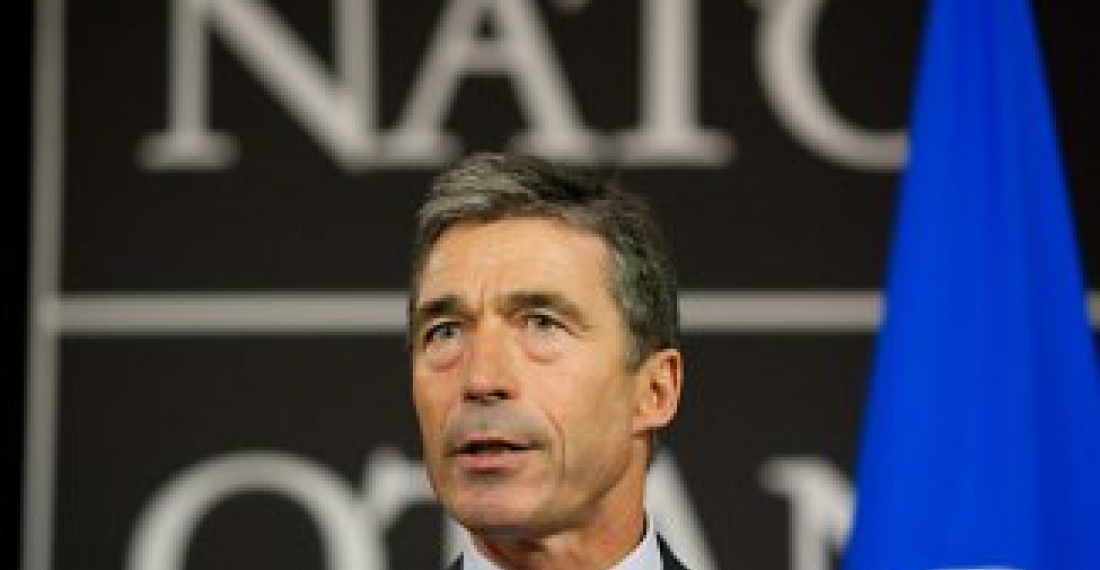
Для НАТО очень важен вопрос безопасности на Южном Кавказе, сказал генеральный секретарь НАТО Андерс Фог Расмуссен.

Находящийся с визитом в США Расмуссен назвал «замороженные конфликты» потенциальной угрозой безопасности на Кавказе. Он сообщил, что НАТО и его союзники, том числе США и Россия, пытаются установить мир и стабильность в регионе.

«Единственным путем подавления угроз является широкое сотрудничество между государствами и организациями. Мы имеем широкие возможности для обеспечения безопасности не только в Европе, но и на всем евроатлантическом пространстве, в том числе на Кавказе. США могут стать ведущей силой этого процесса».

Генеральный секретарь НАТО провел встречи в ряде департаментов США, в том числе, в Пентагоне. На лекции в Университете Джона Хопкинса он рассказал специалистам по Южному Кавказу и Центральной Азии о новых вызовах безопасности и новой политике НАТО.

Расмуссен коснулся также обязательств Европы по важным оборонным инвестициям:

«Мы желаем сотрудничать с Россией, разделяем с Россией свое беспокойство в связи с безопасностью. В более чем 30 странах мира есть системы противоракетной обороны, и они могут достигать территории России. Мы должны сотрудничать во имя обороны всех территорий. Вместе мы сможем защитить себя, в том числе население России. НАТО и Россия не должны враждовать друг с другом, напротив должны создать совместную систему противоракетной обороны».

Говоря о недовольствах по некоторым региональным вопросам, к примеру, по вопросу Грузии, Расмуссен сообщил, что НАТО уважает суверенитет и территориальную целостность Грузии: «Мы призываем Россию выполнять международные обязательства по этому вопросу. Мы не должны избегать обсуждения этих недовольств. НАТО ведет диалог не только с Грузией, но и со всем регионом».

Затронув проведение политики открытых дверей с соседями НАТО, генеральный секретарь сообщил, что данная политика не направлена против других государств и России: «Мы не нарушаем фундаментальные ценности».


источник: www.1news.az

Related articles

Editor's choice
News
The British prime minister says Europe must "stand on its own two feet" when it comes to defence

The British prime minister says Europe must "stand on its own two feet" when it comes to defence

The UK will deploy a carrier strike group, led by the aircraft carrier HMS Prince of Wales to the Arctic and the High North as part of efforts to bolster security against Russian threats. British prime minister, Sir Keir Starmer announced the deployment in a speech on Saturday (14 February) at the Munich Security Conference. Europe must be ready to fight to protect its people, values, and way of life,  Sir Keir told the Conference. Starmer also called for deeper links and cooperation, including economic ties, between the UK and EU. The PM stressed the continent must "stand on its own two feet" when it comes to defence commitments. "We must build our hard power, because that is the currency of the age," he told the conference. (Click image to read the full story).

Popular

Editor's choice
Interview
Thursday Interview: Murad Muradov

Thursday Interview: Murad Muradov

Today, commonspace.eu starts a new regular weekly series. THURSDAY INTERVIEW, conducted by Lauri Nikulainen, will host  persons who are thinkers, opinion shapers, and implementors in their countries and spheres. We start the series with an interview with Murad Muradov, a leading person in Azerbaijan's think tank community. He is also the first co-chair of the Action Committee for a new Armenian-Azerbaijani Dialogue. Last September he made history by being the first Azerbaijani civil society activist to visit Armenia after the 44 day war, and the start of the peace process. Speaking about this visit Murad Muradov said: "My experience was largely positive. My negative expectations luckily didn’t play out. The discussions were respectful, the panel format bringing together experts from Armenia, Azerbaijan, and Turkey was particularly valuable during the NATO Rose-Roth Seminar in Yerevan, and media coverage, while varied in tone, remained largely constructive. Some media outlets though attempted to represent me as more of a government mouthpiece than an independent expert, which was totally misleading.  Overall, I see these initiatives as important steps in rebuilding trust and normalising professional engagement. The fact that soon a larger Azerbaijani civil society visits to Armenia followed, reinforces the sense that this process is moving in the right direction." (click the image to read the interview in full)


