


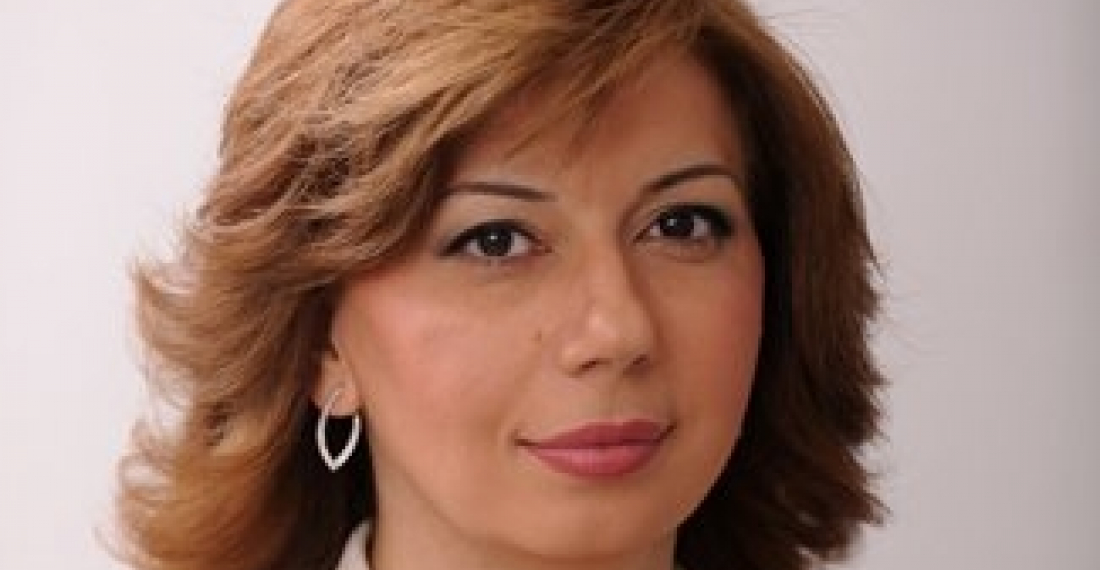
«Закономерным является то, что в Армении оправдывается и даже героизируется Андерс Брейвик»

— Начну нашу беседу с такого вопроса: свидетельствуют ли два теракта, произошедшие в до сих пор благополучной Норвегии, а также беспорядки в Лондоне о закате европейского мультикультурализма?

— Возможно, моя позиция по данному вопросу вызовет удивление, но я отрицаю само существование такого понятия, как европейский мультикультурализм. Это — лозунг, призыв, красиво звучащий с высоких трибун, но не имеющий ничего общего с существующими реалиями. Кроме того, само слово мультикультурализм указывает на что-то, имеющее отношение к культуре.

Так вот, открытие европейских границ для жителей различных неевропейских государств, зачастую некогда входивших в состав колоний того или иного государства Старого Света, не имеет никакого отношения к культуре, это — жизненная необходимость европейских держав в решении своих демографических и иных внутренних проблем.

Образно говоря, процесс поднятия крышки с закипающего котла, призванный дать возможность выйти пару, не имеет никакого отношения к новым веяниям в различных жанрах искусства. Что же касается причин беспорядков в Лондоне, то их суть сводится к тому, что немалый процент жителей различных африканских или азиатских стран, получивших право на жизнь в государствах Европы, получая пособия, в условиях безработицы ведут откровенно иждивенческий или даже криминальный образ жизни.

Все это накладывается на усугубляющиеся социально-экономические проблемы всех государств Европы, что и выливается в рост числа конфликтов между потомками эмигрантов и коренным населением.

— Как вы считаете, случайно ли то, что норвежский террорист Андерс Брейвик, расстрелявший свыше семи десятков человек, был возведен некоторыми представителями армянского общества едва ли не в ранг героя?

— Это абсолютно закономерный ход действий. Если для любого воспитанного в нормальных культурных и мировоззренческих традициях человека диким и ужасным является не только само преступление Андерса Брейвика, но и мотивы этого теракта, то для некоторых армян, являющихся в какой-то степени взращенными под воздействием агитпропа и пропитанных идеями радикализма и шовинизма, это вполне нормальное явление.

И это неудивительно, молодое поколение армян с самого детства воспитывается в ненависти к туркам, азербайджанцам, они живут идеей построения «Великой Армении от моря и до моря», считая, что достижение этой мифической цели оправдывает любые средства. 

Здесь уместно напомнить, что Армения является моноэтническим государством, руководители которого участвовали в оккупации территории Азербайджана и в убийствах мирного азербайджанского населения в Ходжалы, а позже провозглашали идеи о генетической несовместимости азербайджанцев и армян.

Налицо полнейшее игнорирование одного из наиболее ярких проявлений культуры любого народа — толерантности. И в этих условиях закономерным является то, что некоторыми в Армении оправдывается и даже героизируется кошмарное преступление Андерса Брейвика.

— А тем временем, видимо, вдохновленный примером Андерса Брейвика, некий уроженец Армении Карен Драмбян, получивший эстонское гражданство в начале 90-х годов, учинил стрельбу в Министерстве обороны Эстонии. Как вы прокомментируете данный факт?

— В «Краткой хронологической энциклопедии», выпущенной Институтом по правам человека, указаны факты громких преступлений и терактов, совершенных в различных уголках мира этническими армянами, начиная с XIX века и до наших дней. Там четко указано, что этнические армяне стояли за совершением самых громких терактов в различных городах мира.

К примеру, в расстреле израильских спортсменов на Олимпиаде в Мюнхене в 1972 году участвовали и этнические армяне, они же взрывали аэропорты во Франции, расстреливали мирных граждан в США.

Эти преступления — результат передающейся из поколения в поколение армян идеологии, направленной на достижение своих мифических целей любой ценой, в том числе и ценой убийства людей, совершения терактов против мирного населения. И вполне возможно, что Карен Драмбян, который учинил стрельбу в Министерстве обороны Эстонии, является продуктом этой идеологии.

— А принесла ли эта идеология какие-либо дивиденды рядовым жителям Армении?

— Нет, конечно, не принесла. Ныне в Армении царит ужасающая социально-экономическая ситуация, резко беднеет население страны, пустеют города и села, люди в поисках хлеба насущного навсегда покидают страну. Существуют факты, с которыми невозможно спорить.

Это — стремительно ухудшающаяся социально-экономическая ситуация в Армении, которая уже заняла «почетное» второе место в рейтинге стран с самой слабой экономикой, составленным журналом Forbes.

Растет внешний долг Армении, увеличивается отток капиталов и населения из этой страны. Нынешнее руководство Армении в силу ограниченности знаний и понимания методик управления государством не в силах остановить процессы его падения в пропасть.

Все это — результат самоизоляции Армении, которая оккупировала 20% территорий Азербайджана и игнорирует международное право, а также резолюции международных организаций, призывающих к выводу армянских вооруженных формирований с оккупированных территорий Азербайджана.

— А способен ли какой-либо политик в Армении, став президентом этой страны, ориентироваться на необходимость мирного сосуществования с соседними государствами, сотрудничества с ними, а не на передающуюся из поколения в поколение армян идеологию, включающую в себя территориальные претензии к соседним странам?

— Сложившуюся ситуацию изолированности и развала экономики страны могут попытаться изменить те, кто все еще остался жить в Армении. Они могут пойти за каким-либо политическим лидером, который способен бросить вызов действующей армянской власти.

Понятное дело, что Серж Саргсян так просто власть не отдаст. Возглавляемый им клан готов стрелять по собственному народу ради сохранения власти, что уже было продемонстрировано и в парламенте, и 1 марта 2008 года.

Но если все же к власти в Армении придет, например, Левон Тер-Петросян, то есть надежда на то, что он, как более трезвомыслящий и рациональный политик, извлек уроки из удручающих последствий для его страны от армяно-азербайджанского, нагорно-карабахского конфликта, и потому попытается достичь вывода Армении из самоизоляции.

А это возможно только при условии справедливого урегулирования армяно-азербайджанского, нагорно-карабахского конфликта.

А. Гасанов 

 

Related articles

Editor's choice
News
Russia adds pressure on Armenia ahead of key elections; recalls Ambassador in Yerevan for consultations

Russia adds pressure on Armenia ahead of key elections; recalls Ambassador in Yerevan for consultations

Ahead of key parliamentary elections,scheduled to be held in Armenia on Sunday, 7 June, Russia continues to attempt to put pressure on the Armenian Government led by prime minister Nikol Pashinyan. On 30 May, Russia recalled its Ambassador to Yerevan for consultations. A terse statement, published on the website of the Russian Foreign Ministry, said, "The Ambassador of the Russian Federation to the Republic of Armenia , S.P. Kopyrkin, has been summoned to Moscow for consultations in connection with the steps taken by the Armenian leadership to move closer to the European Union, which are detrimental to cooperation within the EAEU." This followed a statement issued the day before, by the leaders of the Eurasian Economic Union (EAEU) that challenges the Armenian trajectory towards approximating to the European Union. Vladimir Putin is undertood to have personally pushed the other four EAEU leaders to issue the statement, which said: "Taking into account the significant risks to the economic security of the member states of the Eurasian Economic Union (hereinafter referred to as the Union) arising in connection with the preparation of the Republic of Armenia for accession to the European Union, as well as the need to prevent the associated damage to the member states of the Union: decided that the members of the Eurasian Intergovernmental Council from the Republic of Belarus, the Republic of Kazakhstan, the Kyrgyz Republic and the Russian Federation will report at the next meeting of the Supreme Eurasian Economic Council in December 2026 on the possible consequences of the suspension of the Treaty on the Eurasian Economic Union with respect to the Republic of Armenia. We share the position on the need to hold a national referendum in the Republic of Armenia as soon as possible on joining the European Union or continuing to be part of the Eurasian Economic Union."
Editor's choice
News
The leaders of the states of the Eurasian Economic Union issued a tough statement warning fellow-member state Armenia of the consequences of its desire to join the European Union.

The leaders of the states of the Eurasian Economic Union issued a tough statement warning fellow-member state Armenia of the consequences of its desire to join the European Union.

The leaders of the states of the Eurasian Economic Union (EEAS) issued a tough statement warning fellow-member state Armenia of the consequences of its desire to join the European Union. The stark, sharply worded,  warning, comes days before crucial parliamentary elections in Armenia, scheduled for 7 June. The full statement said, “We, the Presidents of the Republic of Belarus, the Republic of Kazakhstan, the Kyrgyz Republic and the Russian Federation, Taking into account the actions of the Republic of Armenia aimed at joining the European Union, including the approval in 2025 by the National Assembly of the Republic of Armenia and the signing by the President of the Republic of Armenia of the Law of the Republic of Armenia "On the Start of the Process of Accession of the Republic of Armenia to the European Union", as well as the confirmation by the European Union of the European aspirations of the Government of the Republic of Armenia, expressed in the joint declaration following the first Armenia-European Union summit, adopted on 5 May 2026, Taking into account the significant risks to the economic security of the member states of the Eurasian Economic Union (hereinafter referred to as the Union) arising in connection with the preparation of the Republic of Armenia for accession to the European Union, as well as the need to prevent the associated damage to the member states of the Union: decided that the members of the Eurasian Intergovernmental Council from the Republic of Belarus, the Republic of Kazakhstan, the Kyrgyz Republic and the Russian Federation will report at the next meeting of the Supreme Eurasian Economic Council in December 2026 on the possible consequences of the suspension of the Treaty on the Eurasian Economic Union with respect to the Republic of Armenia. We share the position on the need to hold a national referendum in the Republic of Armenia as soon as possible on joining the European Union or continuing to be part of the Eurasian Economic Union. Astana, May 29, 2026” A meeting of the Supreme Eurasian Economic Council was held in Astana, Kazakhstan, on May 29, 2026. The meeting of the Supreme Eurasian Economic Council in a restricted format was attended by Russian President Vladimir Putin, Belarusian President Alexander Lukashenko , Kazakh President Kassym-Jomart Tokayev , Kyrgyz President Sadyr Japarov , Armenian Deputy Prime Minister Mher Grigoryan, and Chairman of the Board of the Eurasian Economic Commission Bakytzhan Sagintayev. From the Russian side, the meeting was also attended by Deputy Prime Minister and member of the Council of the Eurasian Economic Commission Alexey Overchuk and Presidential Aide Yury Ushakov . The heads of delegations from EAEU observer states, including President of Uzbekistan Shavkat Mirziyoyev , Vice President of Cuba Salvador Valdés Mesa, Minister of Industry, Mines, and Trade of Iran Mohammad Atabak, and CIS Secretary General Sergei Lebedev, joined the expanded meeting . Following the meeting of the Supreme Eurasian Economic Council, a number of documents were signed .

Popular

Editor's choice
Interview
Thursday Interview: Murad Muradov

Thursday Interview: Murad Muradov

Today, commonspace.eu starts a new regular weekly series. THURSDAY INTERVIEW, conducted by Lauri Nikulainen, will host  persons who are thinkers, opinion shapers, and implementors in their countries and spheres. We start the series with an interview with Murad Muradov, a leading person in Azerbaijan's think tank community. He is also the first co-chair of the Action Committee for a new Armenian-Azerbaijani Dialogue. Last September he made history by being the first Azerbaijani civil society activist to visit Armenia after the 44 day war, and the start of the peace process. Speaking about this visit Murad Muradov said: "My experience was largely positive. My negative expectations luckily didn’t play out. The discussions were respectful, the panel format bringing together experts from Armenia, Azerbaijan, and Turkey was particularly valuable during the NATO Rose-Roth Seminar in Yerevan, and media coverage, while varied in tone, remained largely constructive. Some media outlets though attempted to represent me as more of a government mouthpiece than an independent expert, which was totally misleading.  Overall, I see these initiatives as important steps in rebuilding trust and normalising professional engagement. The fact that soon a larger Azerbaijani civil society visits to Armenia followed, reinforces the sense that this process is moving in the right direction." (click the image to read the interview in full)


