


“Время играет против всех сторон карабахского конфликта”.

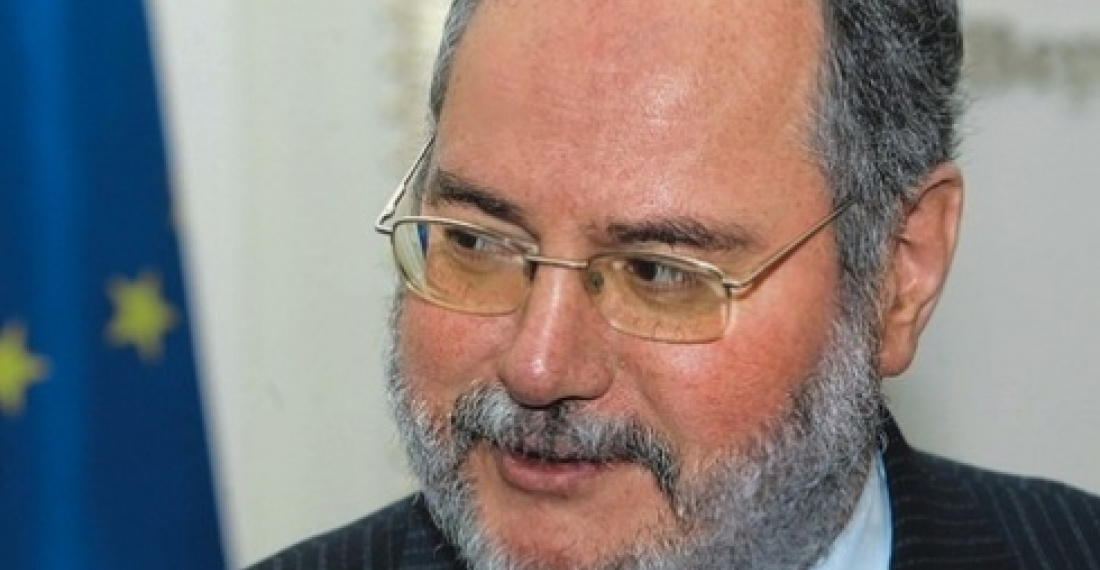
Бывший сопредседатель Минского процесса ОБСЕ, отставной французский дипломат Жак Фор, в пятницу рассказал участникам 89-ого Семинара «Роуз-Рот» Парламентской Ассамблеи НАТО в Ереване, что несмотря на то, что вероятность начала полномасштабной войны в Карабахе в ближайшее время мала, инциденты продолжатся, и, возможно, увеличится их количество. Фор сообщал, что военные реформы, которые были начаты в азербайджанской армии не были завершены. Страна приобрела большое количество оружия, но до сих пор не завершила обучения по ним. Он предупредил, что время "играет против как посредников, так и сторон, участвующих в карабахском конфликте".

Фор участвовал в обсуждениях роли посредников в текущем нагорно-карабахском конфликте.

Открывая обсуждения, заместитель министра иностранных дел Армении Ашот Овакимян рассказал об ухудшении ситуации на линии фронта с июля 2014 года, в том числе об использовании крупнокалиберного оружия, саботажа и прицельного огня по гражданским лицам. Он сказал, что посредники Сопредседатели ОБСЕ напоминали Азербайджану в необходимости соблюдения режима прекращения огня и уважения мирного процесса. Овакимян сообщил, что Армения всегда поддерживала меры по укреплению доверия во всех ее формах и считает, что без взаимного доверия не возможно никакое решение конфликта. Заместитель министра иностранных дел Овакимян сказал, что у Армении имеется политическая воля для решения конфликта и она продемонстрировала это в переговорах, но, так же сказал, что у Азербайджана этой политической воли не хватает.

Заур Шириев (Исследователь в Chatham House, Лондон) заявил, что существует огромный разрыв между ожиданиями того, что Минская группа может сделать, и текущим послужным списком того, чего она практически добилась. Азербайджан желает либо избавиться от многословной Минской группы, либо пересмотреть её формат, пригласив другие страны для активизации процесса. Что важно, так это не количество сопредседателей, а, как улучшить формат и сделать его более эффективным. Шириев сообщил, что Мадридские принципы должны быть преобразованы в рамочное соглашение в качестве основы для начала переговоров по всеобъемлющему мирному соглашению. Он также говорил о важности наличия определенного графика, которого должны будут придерживаться все стороны, и сказал, что это повысит доверие общества к процессу. Шириев также предложил, что стороны должны расширить переговорный процесс, создав дополнительно мирную комиссию, чтобы две эти комиссий затем смогли работать над развитием мер по укреплению доверия.

Лоуренс Броерс (Ресурсы примирения - Кавказ) сказал, что, с момента создания в 1992 году Минская группа подготовила пять ключевых идей для разрешения конфликта. Первые четыре оказались не очень продолжительными, но пятая идея, которая была представлена в 2007 году , и которая в конечном итоге стала известна, как Мадридские принципы, все еще остаётся на столе. Теперь они составляют основу, вокруг которой вращаются все переговоры, но у Минского процесса нет никаких планов и возможностей сделать Мадридские принципы основой для решения карабахского конфликта.. Не стоит ожидать внезапного прорыва в мирном процессе, но по ряду причин обе стороны видят преимущества в участвовании в переговорах, хотя азербайджанская сторона время от времени критикует их. Броерс сообщил, что у международного сообщества, в частности, у запада, имеется мало рычагов для воздействия на стороны, и, следовательно, должно быть потрачено больше энергии на убеждения и на разработку новых идей. Он предложил «вернуть мирный процесс домой» с проведением встреч министров иностранных дел в Армении, Азербайджане и Нагорном Карабахе, и сказал, что надо внести гораздо больше вклада в работу с обществами. Он подверг критике "ритуальное осуждение выборов в Нагорном Карабахе" международным сообществом, которое, по его словам, совершенно бесполезно.

В своем выступлении на обсуждениях Жак Фор объяснил работу, проделанную сопредседателями Минской группы, иногда с риском для нее самой. Он сказал, что сопредседатели регулярно работали с министрами иностранных дел обеих сторон, которые часто обсуждали вопросы со своими президентами. Сопредседатели работали по соглашению с обеими сторонами, но отсутствовало доверие на самом высоком уровне. Фор выступил против тех, кто критикует работу Минской группы или предлагает сменить состав группы, и сказал, что это очень рискованно.

Среди присутствовавших на семинаре были два представителя из Нагорного Карабаха. Карен Тохян приветствовал то, что он описал как редкую возможность участвовать в таком международном мероприятии, и подчеркнул необходимость того, чтобы Нагорный-Карабах был представлен в переговорах.

Сегодняшние обсуждения проходили под председательством члена парламента Португалии Хулио Миранда Кала. В обсуждениях участвовали члены парламента из стран НАТО и стран-партнеров НАТО, однако азербайджанская и турецкая делегаций Парламентской Ассамблеи НАТО не были представлены.

Семинар закончится в субботу с обсуждениями внутриполитической ситуации на Южном Кавказе.

Источник: commonspace.eu

 

Related articles

Editor's choice
News
Russia adds pressure on Armenia ahead of key elections; recalls Ambassador in Yerevan for consultations

Russia adds pressure on Armenia ahead of key elections; recalls Ambassador in Yerevan for consultations

Ahead of key parliamentary elections,scheduled to be held in Armenia on Sunday, 7 June, Russia continues to attempt to put pressure on the Armenian Government led by prime minister Nikol Pashinyan. On 30 May, Russia recalled its Ambassador to Yerevan for consultations. A terse statement, published on the website of the Russian Foreign Ministry, said, "The Ambassador of the Russian Federation to the Republic of Armenia , S.P. Kopyrkin, has been summoned to Moscow for consultations in connection with the steps taken by the Armenian leadership to move closer to the European Union, which are detrimental to cooperation within the EAEU." This followed a statement issued the day before, by the leaders of the Eurasian Economic Union (EAEU) that challenges the Armenian trajectory towards approximating to the European Union. Vladimir Putin is undertood to have personally pushed the other four EAEU leaders to issue the statement, which said: "Taking into account the significant risks to the economic security of the member states of the Eurasian Economic Union (hereinafter referred to as the Union) arising in connection with the preparation of the Republic of Armenia for accession to the European Union, as well as the need to prevent the associated damage to the member states of the Union: decided that the members of the Eurasian Intergovernmental Council from the Republic of Belarus, the Republic of Kazakhstan, the Kyrgyz Republic and the Russian Federation will report at the next meeting of the Supreme Eurasian Economic Council in December 2026 on the possible consequences of the suspension of the Treaty on the Eurasian Economic Union with respect to the Republic of Armenia. We share the position on the need to hold a national referendum in the Republic of Armenia as soon as possible on joining the European Union or continuing to be part of the Eurasian Economic Union."
Editor's choice
News
The leaders of the states of the Eurasian Economic Union issued a tough statement warning fellow-member state Armenia of the consequences of its desire to join the European Union.

The leaders of the states of the Eurasian Economic Union issued a tough statement warning fellow-member state Armenia of the consequences of its desire to join the European Union.

The leaders of the states of the Eurasian Economic Union (EEAS) issued a tough statement warning fellow-member state Armenia of the consequences of its desire to join the European Union. The stark, sharply worded,  warning, comes days before crucial parliamentary elections in Armenia, scheduled for 7 June. The full statement said, “We, the Presidents of the Republic of Belarus, the Republic of Kazakhstan, the Kyrgyz Republic and the Russian Federation, Taking into account the actions of the Republic of Armenia aimed at joining the European Union, including the approval in 2025 by the National Assembly of the Republic of Armenia and the signing by the President of the Republic of Armenia of the Law of the Republic of Armenia "On the Start of the Process of Accession of the Republic of Armenia to the European Union", as well as the confirmation by the European Union of the European aspirations of the Government of the Republic of Armenia, expressed in the joint declaration following the first Armenia-European Union summit, adopted on 5 May 2026, Taking into account the significant risks to the economic security of the member states of the Eurasian Economic Union (hereinafter referred to as the Union) arising in connection with the preparation of the Republic of Armenia for accession to the European Union, as well as the need to prevent the associated damage to the member states of the Union: decided that the members of the Eurasian Intergovernmental Council from the Republic of Belarus, the Republic of Kazakhstan, the Kyrgyz Republic and the Russian Federation will report at the next meeting of the Supreme Eurasian Economic Council in December 2026 on the possible consequences of the suspension of the Treaty on the Eurasian Economic Union with respect to the Republic of Armenia. We share the position on the need to hold a national referendum in the Republic of Armenia as soon as possible on joining the European Union or continuing to be part of the Eurasian Economic Union. Astana, May 29, 2026” A meeting of the Supreme Eurasian Economic Council was held in Astana, Kazakhstan, on May 29, 2026. The meeting of the Supreme Eurasian Economic Council in a restricted format was attended by Russian President Vladimir Putin, Belarusian President Alexander Lukashenko , Kazakh President Kassym-Jomart Tokayev , Kyrgyz President Sadyr Japarov , Armenian Deputy Prime Minister Mher Grigoryan, and Chairman of the Board of the Eurasian Economic Commission Bakytzhan Sagintayev. From the Russian side, the meeting was also attended by Deputy Prime Minister and member of the Council of the Eurasian Economic Commission Alexey Overchuk and Presidential Aide Yury Ushakov . The heads of delegations from EAEU observer states, including President of Uzbekistan Shavkat Mirziyoyev , Vice President of Cuba Salvador Valdés Mesa, Minister of Industry, Mines, and Trade of Iran Mohammad Atabak, and CIS Secretary General Sergei Lebedev, joined the expanded meeting . Following the meeting of the Supreme Eurasian Economic Council, a number of documents were signed .

Popular

Editor's choice
Interview
Thursday Interview: Murad Muradov

Thursday Interview: Murad Muradov

Today, commonspace.eu starts a new regular weekly series. THURSDAY INTERVIEW, conducted by Lauri Nikulainen, will host  persons who are thinkers, opinion shapers, and implementors in their countries and spheres. We start the series with an interview with Murad Muradov, a leading person in Azerbaijan's think tank community. He is also the first co-chair of the Action Committee for a new Armenian-Azerbaijani Dialogue. Last September he made history by being the first Azerbaijani civil society activist to visit Armenia after the 44 day war, and the start of the peace process. Speaking about this visit Murad Muradov said: "My experience was largely positive. My negative expectations luckily didn’t play out. The discussions were respectful, the panel format bringing together experts from Armenia, Azerbaijan, and Turkey was particularly valuable during the NATO Rose-Roth Seminar in Yerevan, and media coverage, while varied in tone, remained largely constructive. Some media outlets though attempted to represent me as more of a government mouthpiece than an independent expert, which was totally misleading.  Overall, I see these initiatives as important steps in rebuilding trust and normalising professional engagement. The fact that soon a larger Azerbaijani civil society visits to Armenia followed, reinforces the sense that this process is moving in the right direction." (click the image to read the interview in full)


