Очередной инцидент между Арменией и Азербайджаном. Армения утверждает, что отразила вторжение Азербайджана в воскресенье во второй половине дня.

Поступают сообщения о новом инциденте на линии соприкосновения, разделяющей армянские и азербайджанские силы, на этот раз на международной границе. Армянские источники сообщают, что в воскресенье, 11 января в около 17.30 часов, они сорвали попытку вторжения со стороны азербайджанских сил в деревне, в Тавушской области. Тавушская область находится в северо-восточной части Армении. Она включает в себя Иджеван, Дилижан, Ноемберян и Берд. На юго-востоке и юге область граничит с Гегаркуникской и Котайкской областями, на западе она граничит с Лорийской областью и Грузией, а на севере и востоке с Азербайджаном.

Армянское информационное агентство Армпресс со ссылкой на источники в Министерстве обороны Армении заявило, что в ходе  перестрелки был убит пастух из села Воскеван. Источники сообщают, что Азербайджан также понес потери, в том числе один  погибший, чье тело остается на ничейной земле между двумя сторонами. Агентство не сообщает о каких-либо жертвах со стороны Армении. До сих пор не было ни одного сообщения об инциденте с азербайджанской стороны. Это уже третий серьезный инцидент с начала нового года и демонстрирует повышенную напряженность на линии соприкосновения.

Обращаясь к Кабинету министров Азербайджана в субботу, президент Ильхам Алиев заявил, что в 2014 Армения только и делала  вид, что занималась мирным процессом, но на самом деле избегала любых шагов, которые могли бы привести к миру. Он обвинил неназванные глобальные силы в том, что они делают не все, чтобы урегулировать конфликт и, таким образом, будучи также виноваты в отсутствии прогресса, ссылаясь на ситуации, которые как он сказал, можно видеть и в других частях Европы и на Ближнем Востоке.

источник: commonspace.eu по материалам Арменпресс и других агентств.

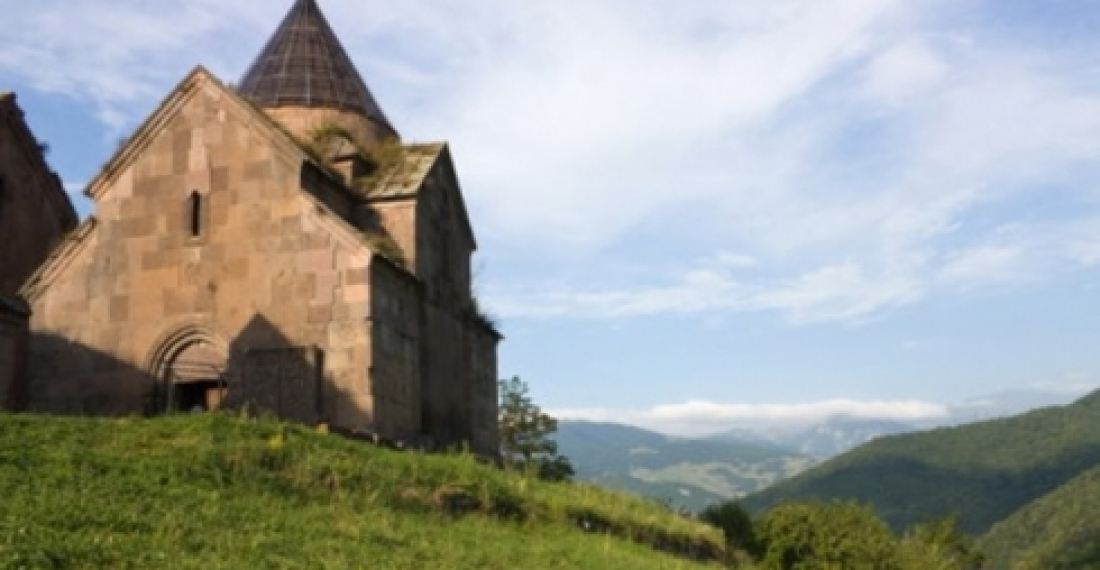
фото: Армянская церковь в Тавушской области Северо-Восточной Армении (фото из архива).

Related articles

Editor's choice
News
The British prime minister says Europe must "stand on its own two feet" when it comes to defence

The British prime minister says Europe must "stand on its own two feet" when it comes to defence

The UK will deploy a carrier strike group, led by the aircraft carrier HMS Prince of Wales to the Arctic and the High North as part of efforts to bolster security against Russian threats. British prime minister, Sir Keir Starmer announced the deployment in a speech on Saturday (14 February) at the Munich Security Conference. Europe must be ready to fight to protect its people, values, and way of life,  Sir Keir told the Conference. Starmer also called for deeper links and cooperation, including economic ties, between the UK and EU. The PM stressed the continent must "stand on its own two feet" when it comes to defence commitments. "We must build our hard power, because that is the currency of the age," he told the conference. (Click image to read the full story).

Popular

Editor's choice
Interview
Thursday Interview: Murad Muradov

Thursday Interview: Murad Muradov

Today, commonspace.eu starts a new regular weekly series. THURSDAY INTERVIEW, conducted by Lauri Nikulainen, will host  persons who are thinkers, opinion shapers, and implementors in their countries and spheres. We start the series with an interview with Murad Muradov, a leading person in Azerbaijan's think tank community. He is also the first co-chair of the Action Committee for a new Armenian-Azerbaijani Dialogue. Last September he made history by being the first Azerbaijani civil society activist to visit Armenia after the 44 day war, and the start of the peace process. Speaking about this visit Murad Muradov said: "My experience was largely positive. My negative expectations luckily didn’t play out. The discussions were respectful, the panel format bringing together experts from Armenia, Azerbaijan, and Turkey was particularly valuable during the NATO Rose-Roth Seminar in Yerevan, and media coverage, while varied in tone, remained largely constructive. Some media outlets though attempted to represent me as more of a government mouthpiece than an independent expert, which was totally misleading.  Overall, I see these initiatives as important steps in rebuilding trust and normalising professional engagement. The fact that soon a larger Azerbaijani civil society visits to Armenia followed, reinforces the sense that this process is moving in the right direction." (click the image to read the interview in full)