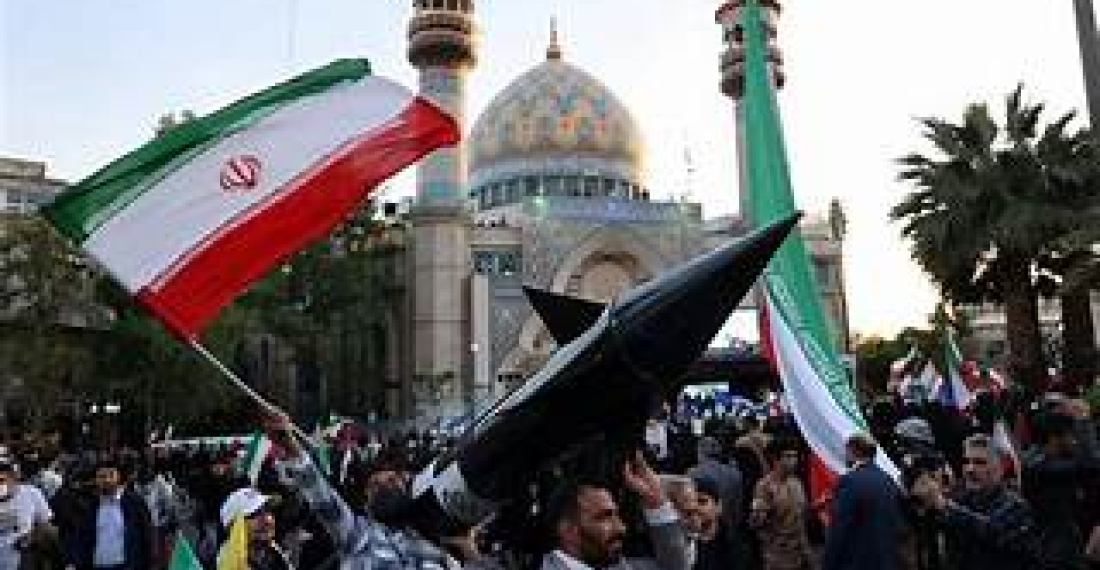
The war in the Middle East goes on. Most countries, governments and people think it was unnecessary and unjustified. The person who started it, and who has the power to stop it quickly, Donald Trump, has as much as admitted he had not thought the whole thing through properly.
This war has already deformed the Middle East in ways we are just starting to understand. Its negative impact on the world, even if it stops tomorrow are going to be deep and long lasting.
Some will despair. But governments, international organisations, and more broadly civil society, do not have this luxury. It is time to rethink, regroup, and develop a future strategy. For that it is necessary to look at the big picture. This is far from easy while the senseless war continues but it is necessary, and all those who can, in their different ways, need to contribute.
The European Union, the United Nations and multilateralism
On 19 March the EU had a summit of the leaders of the 27 member states in Brussels. It was a serious, somber affair, overshadowed by the war in the Middle East, and the political and economic fallout from it. Big decisions were taken. The European leaders also met with the UN Secretary General, Antonio Gutteres. Both the EU and the UN are large organisations, that often look dysfunctional. But for the future if the world, post the Trump war in the Middle East, both are vital The commitment of both to multilateralism at this precise moment, when the concept appears broken, is welcome.
Iran
How to deal with a heavily injured, but not defeated Iran after the war is already emerging as a key issue. Here several factors are important: (1) The international community must maintain its lines of communication with Iran open; (2) The nuclear issue must be closed; Iran should not have a nuclear weapon; (3)The international community must engage with Iran’s healing and reconstruction process in good faith; (4) change in Iran will not come from aerial bombardments, nor from supporting fringe elements within Iranian society; it has to be a transition process that will take time and patience. How to engage with Iranian society will have to be a priority going forward.
In short, the way forward is not more isolation, but more engagement.
Lebanon will also require special attention going forward. It needs to be rehabilitated and reconstructed if it is to survive as a state.
Radicalisation
The world must also be prepared for a new wave of radicalization: Gaza, Lebanon, Iran, and all the mess and collapse in the Middle East is breeding a new generation of people who see violence as the only means of confronting the west. Its not a question of if, but rather when and where they will strike. Efforts to understand radicalization, and ways to address it, must remain high on the agenda.
Other wars continue
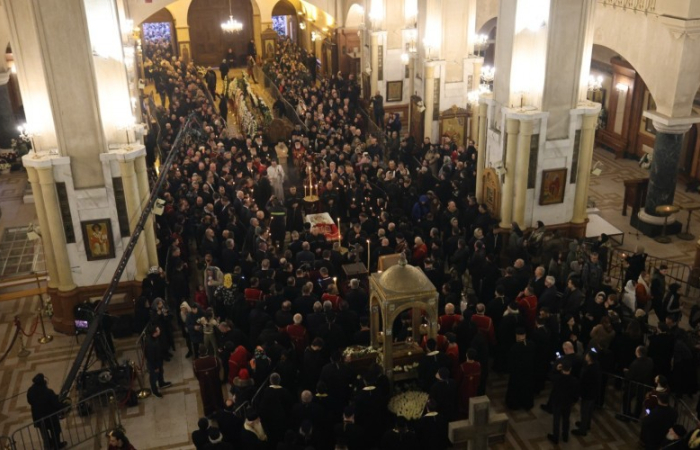
The crisis in the Middle East has overshadowed the sixty or so other on-going unresolved conflicts in the world. Their toll in terms of human suffering is high, and they are a source of instability and come at huge economic costs. Yesterday, after the Angelus prayer on St Peter Square in Rome, Pope Leo XIV, leader of the Catholic Church expressed his deep concern for the ongoing situation in the Middle East, as well as other areas of the world “torn apart by war and violence.” He stressed that “we cannot remain silent in the face of the suffering of so many people, innocent victims of these conflicts.”
This continuous violence wounds everyone—“what harms them, harms all of humanity”, the Pope said. Pope Leo warned that the pain, death, and suffering brought about by these wars “are a scandal to the entire human family and a cry before God.”
The war in Ukraine has entered its fifth year, and talk of an end in fighting appear premature. The resilience of the Ukrainian people in standing firm in the face of Russian aggression, humbles all Europeans. The crises in the Middle East must not become an opportunity for Russia. Whether it will be is still too early to say.
Further afield, the war in Sudan is ravaging this huge country, and the conflict between Pakistan and Afghanistan has already taken a toll on innocent civilians, and has the potential to do much worse.
Multilateralism
In their meeting last week EU leaders reaffirmed the EU's steadfast commitment to the rules-based international order with the UN at its core. “The European Union will remain a predictable, reliable and credible partner, and reiterates its commitment to working together with all its partners to promote multilateral solutions to common challenges”, they said.
The Secretary-General of the United Nations, Antonio Gutteres was a special guest at the EU leaders meeting on 19 March. EU Council President, Antonio Costa laid out the EU position:
“The United Nations is a key institution in the international order. And now, in these very troubled moments that we are living, more than ever, it is decisive to uphold the international rules-based order, to support multilateralism, and to support United Nations' action”.
He added, “I would like to commend especially the determination of the Secretary-General António Guterres to lead the United Nations in such a difficult moment. A lot of international actors are challenging the international order. But what we are experiencing is that, in fact, there is no alternative for the international rules-based order, because the alternative is chaos, the alternative is the war in Ukraine, the alternative is the war in the Middle East, the alternative is the dramatic humanitarian situation in Gaza, the alternative is war in several countries in Africa.
We need to uphold the international rules-based order, to support the multilateral system, and to support especially the United Nations. And I want to assure the Secretary-General that the European Union will continue to b e the great supporter of your work and the work of the United Nations. “
Solutions need to be bold and ambitious
The world must recognize that the present crisis, is the biggest challenge since WWII. The solutions must be equal to the challenge. They must also be bold and ambitious. The EU working with the UN is one of the few, maybe only, actor that can make a difference. But this will require political will and determination. The Brussels EU meeting on 19 March gave a hint of that. But we are not there yet.
Monday Commentary will take a two-week Easter break, and will next be published on 13 April 2026. In the meantime however, commonspace.eu will continue to be updated daily.
Source: Monday Commentary is written for commonspace.eu by Dr Dennis Sammut, Director of LINKS Europe, and Managing Editor of commonspace.eu.