


КАК БУДЕТ БАКУ ПРИВЕТСТВОВАТЬ ПОЮЩИХ АРМЯН? Станет ли это моментом начала перемен ситуации на Кавказе к лучшему?

Хоть Азербайджан и явился одним из последних стран, которые стали принимать участие в фестивале "Евровидение", он включился в это событие с большим энтузиазмом. За последние годы были приложены значительные усилия для обеспечения профессионального выступления Азербайджана в этом ежегодном европейском культурном мероприятии. В 2010 году Азербайджан был близок к победе и уже в 2011 году это случилось. Это был момент гордости, но и вместе с этим представляющий многочисленные вызовы.

Баку является городом, который пережил огромные изменения за последние пять лет. Этот фестиваль возможность продемонстрировать миру новый Баку. Без сомнения, это будет сделано. Неистовые усилия прилагаются для подготовки места необходимого для проведения фестиваля, в том числе арены, на которой он состоится, помещений для тысяч своих сторонников, которые сопровождают певцов из разных стран Европы, и удобства для 1600 журналистов, которые будут освещать событие.

Однако, самая большая проблема это политическая - как вести себя с армянскими певцами и их окружением, когда они будут находится в Баку. Армянская сторона запросила и получила гарантии безопасности участников. Это конечно же было минимумом того, что и следовало ожидать. Принимающая страна обязана обеспечить это для всех участников независимо от страны участника. В настоящее время Армения подтвердила свое участие в фестивале.

Под большим вопросом, как будут приняты армянские певцы азербайджанской публикой. Азербайджан неоднократно обвиняли в промывании мозгов своей общественности антиармянской пропагандой. В этом утверждении есть и правда, и ложь. Но какой бы не была точность этого утверждения политическая реальности такова, что есть опасность неприятных моментов на "Евровидении". В этом году, вероятно, будет столько же беспокойства о том, произойдут ли такие моменты или нет, сколько беспокойства о победителе фестиваля.

Неприятные моменты с армянскими участниками не должны быть допущены, чтобы они произошли. "Евровидение" - это прекрасная возможность разрушить стереотипы, которые питают ненависть на Кавказе. Баку следует приветствовать пение армян с цветами и певцы из армении должны ответить взаимностью. "Евровидение" должно запомниться моментом начала перемен ситуации на Кавказе к лучшему.

Источник: Это материал был подготовлен редакционной группой Commonspace.eu

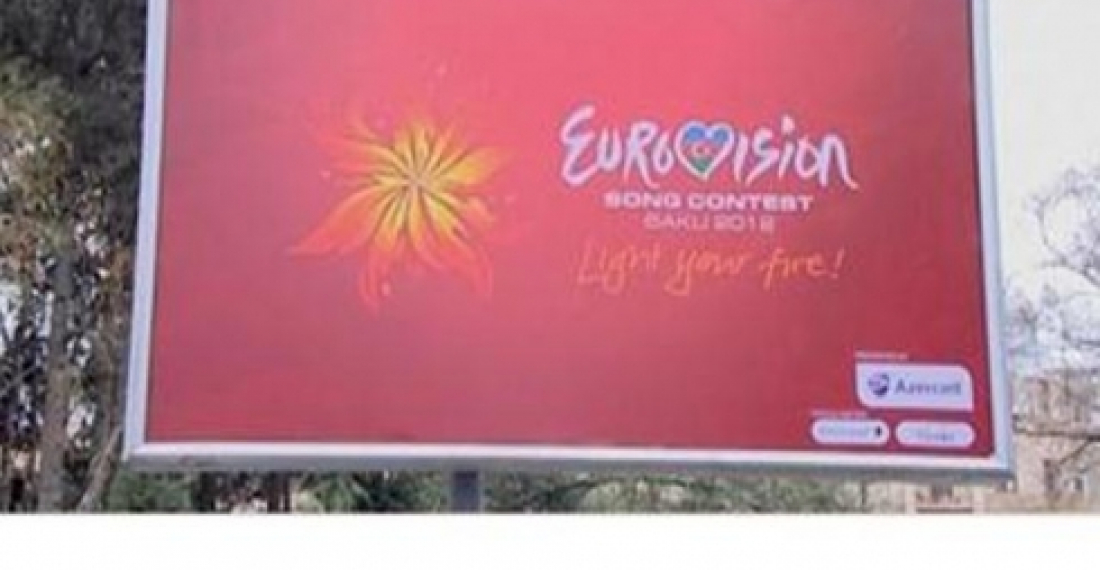
Фото: Сегодня утром на улицах Баку появились билборды глосящие "Евровидение 2012" фестиваль под девизом "Зажги твой огонь". (источник: www.eurovision.az)

Related articles

Editor's choice
News
Women emerge favourite to lead United Nations from next year, after straw-poll of UN Security Council members

Women emerge favourite to lead United Nations from next year, after straw-poll of UN Security Council members

​ Two women have emerged as favourite to lead the United Nations as Secretary-General from 1 January 2027, when the term of the present incumbent, Antonio Gutteres, expires. A straw poll of the members of the UN Security Council, held on Thursday, 30 July showed that of the seven candidates, Rebecca Grynspan of Costa Rica and Carolyn Rodriguez-Birkett of Guyana received ten and nine positive endorsements respectively, by the 15 members UN Security Council Although the poll and its result are supposed to be secret, the result leaked within minutes, and was carried on world media outlets, such as Reuters. The result was as follows   Michelle Bachelet 6 encourage 5  discourage   4 no opinion María Fernanda Espinosa 5 2 8 Rafael Grossi 7 2 6 Rebeca Grynspan 10 1 4 Olara Otunnu 2 5 8 Carolyn Rodrigues-Birkett 9 2 4 Macky Sall 6 7 2   Article 97 of the UN Charter states that the “Secretary-General shall be appointed by the General Assembly upon the recommendation of the Security Council”. Straw polls are informal ballots used to determine the viability of Secretary-General candidates.  The seven current candidates are: Michelle Bachelet Jeria (Chile), who was nominated by Brazil, Chile, and Mexico on 2 February, with Chile withdrawing its nomination on 24 March; María Fernanda Espinosa Garcés (Ecuador), who was nominated by Antigua and Barbuda on 11 May; Rafael Mariano Grossi (Argentina), who was nominated by Argentina on 26 November 2025; Rebeca Grynspan Mayufis (Costa Rica), who was nominated by Costa Rica on 3 March; Olara Otunnu (Uganda), who was nominated by Uganda on 24 July; Carolyn Rodrigues Birkett (Guyana), who was nominated by Guyana on 15 June; and Macky Sall (Senegal), who was nominated by Burundi on 2 March. At Thursday's straw poll, there was no difference between the ballots presented to the five permanent members (P5) and the ten elected members (E10). Council members received one ballot per candidate, containing the candidate’s name followed by three options: “encouraged”, “discouraged”, and “no opinion expressed”.   It is ofcourse early days, and the straw poll is just an informal indication of the mood of the UN Security Council, but the strong showwing by the two womencandidates may be an indication that for the first time, the head of the UN can be a women. (click image to read more) ​

Popular

Editor's choice
Interview
Thursday Interview: Murad Muradov

Thursday Interview: Murad Muradov

Today, commonspace.eu starts a new regular weekly series. THURSDAY INTERVIEW, conducted by Lauri Nikulainen, will host  persons who are thinkers, opinion shapers, and implementors in their countries and spheres. We start the series with an interview with Murad Muradov, a leading person in Azerbaijan's think tank community. He is also the first co-chair of the Action Committee for a new Armenian-Azerbaijani Dialogue. Last September he made history by being the first Azerbaijani civil society activist to visit Armenia after the 44 day war, and the start of the peace process. Speaking about this visit Murad Muradov said: "My experience was largely positive. My negative expectations luckily didn’t play out. The discussions were respectful, the panel format bringing together experts from Armenia, Azerbaijan, and Turkey was particularly valuable during the NATO Rose-Roth Seminar in Yerevan, and media coverage, while varied in tone, remained largely constructive. Some media outlets though attempted to represent me as more of a government mouthpiece than an independent expert, which was totally misleading.  Overall, I see these initiatives as important steps in rebuilding trust and normalising professional engagement. The fact that soon a larger Azerbaijani civil society visits to Armenia followed, reinforces the sense that this process is moving in the right direction." (click the image to read the interview in full)


