


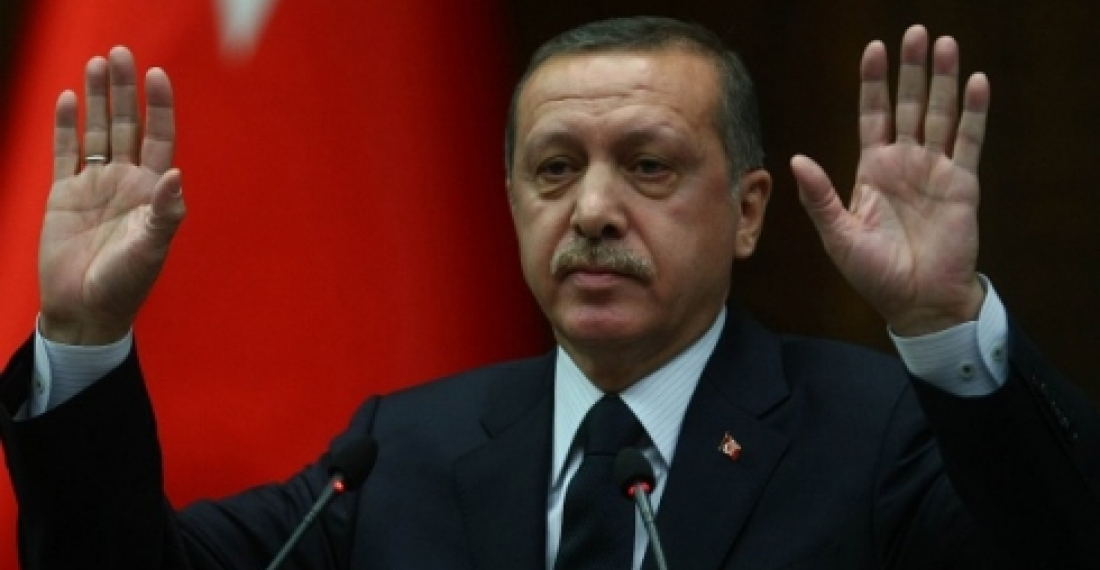
Кадровые перестановки в Турции. Правлению Эрдогана грозит серьезный вызов. Уже названы имена десяти новых министров.

Премьер-министр Турции, Реджеп Тайип Эрдоган, остается под давлением, несмотря на крупную перестановку в кабинете министров, в ходе которой было назначено десять новых министров, заменивших тех некоторых, кто ушел ранее в отставку в результате продолжающегося коррупционного скандала.


Среди новых назначений министры внутренних дел, экономики и окружающей среды, заменившие тех, кто был вынужден покинуть свой пост в результате обвинений в причастности к масштабной коррупции. Премьер-министр Эрдоган выразил надежду, что после перестановок давление на его администрацию спадет, но пока без изменении. Хотя и Эрдоган все еще остается популярным среди многих турок, этот кризис является самым серьезным вызовом его администрации.

Скандал привел к открытому расколу между правящей партией г-на Эрдогана и влиятельным движением Hizmet, которое возглавляет находящейся в США турецкий мыслитель, Фетхуллах Гюлен. Оба утверждают, что являются голосом мусульманского населения Турции и в течение долгого времени совместно противостояли светскому обустройству Турции, которое установилось в стране с момента Кемаля Ататюрка.

Скандал разразился, когда полицейские, без ведома правительства, расправились с коррупцией в Стамбуле, арестовав ряд громких фигур, в том числе сыновей трех министров, которые позже подали в отставку. Эрдоган обвинил иностранные силы в причастности к расследованию и обвинил их в попытке подорвать Турцию и правительство ПСР. Движение Гюлена, как известно, имеет влияние среди полицейских и служб безопасности в Турции и, возможно, они были раздражены попыткой правительства очистить эти институты от ее сторонников.

Положение Эрдогана стало еще сложнее после того, как один из ушедших в отставку министров заявил, что премьер-министр также должен подать в отставку потому, что он был в курсе этих проблем.

Источник: commonspace.eu по материалам СМИ. 

 

Related articles

Editor's choice
News
The British prime minister says Europe must "stand on its own two feet" when it comes to defence

The British prime minister says Europe must "stand on its own two feet" when it comes to defence

The UK will deploy a carrier strike group, led by the aircraft carrier HMS Prince of Wales to the Arctic and the High North as part of efforts to bolster security against Russian threats. British prime minister, Sir Keir Starmer announced the deployment in a speech on Saturday (14 February) at the Munich Security Conference. Europe must be ready to fight to protect its people, values, and way of life,  Sir Keir told the Conference. Starmer also called for deeper links and cooperation, including economic ties, between the UK and EU. The PM stressed the continent must "stand on its own two feet" when it comes to defence commitments. "We must build our hard power, because that is the currency of the age," he told the conference. (Click image to read the full story).

Popular

Editor's choice
Interview
Thursday Interview: Murad Muradov

Thursday Interview: Murad Muradov

Today, commonspace.eu starts a new regular weekly series. THURSDAY INTERVIEW, conducted by Lauri Nikulainen, will host  persons who are thinkers, opinion shapers, and implementors in their countries and spheres. We start the series with an interview with Murad Muradov, a leading person in Azerbaijan's think tank community. He is also the first co-chair of the Action Committee for a new Armenian-Azerbaijani Dialogue. Last September he made history by being the first Azerbaijani civil society activist to visit Armenia after the 44 day war, and the start of the peace process. Speaking about this visit Murad Muradov said: "My experience was largely positive. My negative expectations luckily didn’t play out. The discussions were respectful, the panel format bringing together experts from Armenia, Azerbaijan, and Turkey was particularly valuable during the NATO Rose-Roth Seminar in Yerevan, and media coverage, while varied in tone, remained largely constructive. Some media outlets though attempted to represent me as more of a government mouthpiece than an independent expert, which was totally misleading.  Overall, I see these initiatives as important steps in rebuilding trust and normalising professional engagement. The fact that soon a larger Azerbaijani civil society visits to Armenia followed, reinforces the sense that this process is moving in the right direction." (click the image to read the interview in full)


