


Азербайджан говорит "нет механизму, который продлит оккупацию".

Азербайджан отверг призывы сопредседателей Минского процесса ОБСЕ принять механизм ОБСЕ по расследованию нарушений режима прекращения огня. В субботнем заявлении сопредседателей, представляющих Францию, Россию и Соединенные Штаты, сказано, что без такого механизма стороны продолжат обвинять друг друга в инициировании нападений за которыми следуют жертвы на линии соприкосновения и на международной армяно-азербайджанской границе. В своем заявлении Сопредседатели говорят, что "Армения согласилась обсудить детали механизма, и мы призвали Азербайджан сделать то же самое".

Однако, в воскресенье Азербайджан отклонил предложение. В заявлении государственному азербайджанскому агентству АзерТадж министр иностранных дел Азербайджана Эльмар Мамедъяров заявил, что "создание механизма расследования инцидентов лишь тогда может быть рассмотрено, если это не станет служить сохранению нынешнего статуса-кво, который не приемлют и президенты стран-сопредседателей, и оправданию оккупации".

"Необходимо создание механизмов и планов вывода армянских вооруженных сил с оккупированных территорий Азербайджана. Причина упомянутых "инцидентов" заключается именно в оккупации Арменией азербайджанских территорий и присутствии армянских вооруженных сил на захваченных территориях," заявил министр иностранных дел Азербайджана.

В субботнем заявлении сопредседатели Минской группы ОБСЕ сослались на встречи, провеленные отдельно и совместно с министрами иностранных дел Армении и Азербайджана в Нью-Йорке в четверг и пятницу, "чтобы обсудить насущную потребность снижения напряженности вдоль линии соприкосновения, и на международной границе, и, чтобы перейти к переговорам по прочному урегулированию, и принять меры по укреплению доверия. Министры договорились продолжить подготовку с сопредседателями к следующей встрече президентов, которая, как ожидается, состоится до конца этого года". Сопредседатели осуждают в сильных выражениях использование артиллерии, которая стало причиной очередных жертв за последние двадцать четыре часа. Мы выражаем наши глубочайшие соболезнования семьям погибших. Эскалация насилия как не в интересах азербайджанцев, так и не в интересах армян и мирного урегулирования. Сопредседатели также призвали стороны к реализации программ направленных на контакты между народами для созданию доверия между обществами, пострадавших от конфликта. (Вы можете ознакомиться с полным текстом заявления Сопредседателей здесь)

источник: commonspace.eu по материалам АзерТадж и сайта ОБСЕ

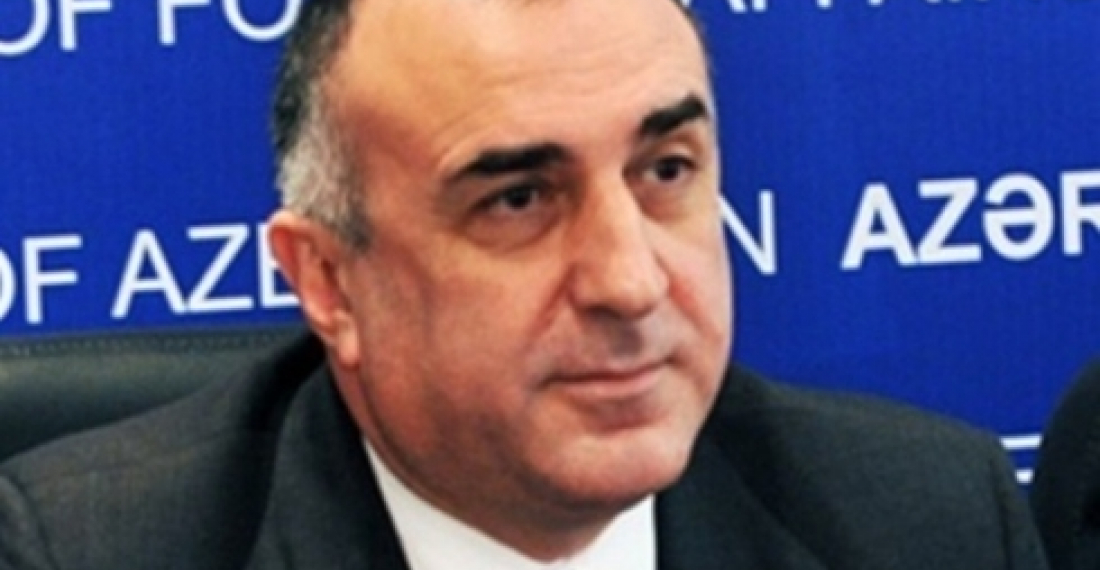
фото: министр иностранных дел Азербайджана Эльмар Мамедъяров (фото из архива)

 

Related articles

Editor's choice
News
Women emerge favourite to lead United Nations from next year, after straw-poll of UN Security Council members

Women emerge favourite to lead United Nations from next year, after straw-poll of UN Security Council members

​ Two women have emerged as favourite to lead the United Nations as Secretary-General from 1 January 2027, when the term of the present incumbent, Antonio Gutteres, expires. A straw poll of the members of the UN Security Council, held on Thursday, 30 July showed that of the seven candidates, Rebecca Grynspan of Costa Rica and Carolyn Rodriguez-Birkett of Guyana received ten and nine positive endorsements respectively, by the 15 members UN Security Council Although the poll and its result are supposed to be secret, the result leaked within minutes, and was carried on world media outlets, such as Reuters. The result was as follows   Michelle Bachelet 6 encourage 5  discourage   4 no opinion María Fernanda Espinosa 5 2 8 Rafael Grossi 7 2 6 Rebeca Grynspan 10 1 4 Olara Otunnu 2 5 8 Carolyn Rodrigues-Birkett 9 2 4 Macky Sall 6 7 2   Article 97 of the UN Charter states that the “Secretary-General shall be appointed by the General Assembly upon the recommendation of the Security Council”. Straw polls are informal ballots used to determine the viability of Secretary-General candidates.  The seven current candidates are: Michelle Bachelet Jeria (Chile), who was nominated by Brazil, Chile, and Mexico on 2 February, with Chile withdrawing its nomination on 24 March; María Fernanda Espinosa Garcés (Ecuador), who was nominated by Antigua and Barbuda on 11 May; Rafael Mariano Grossi (Argentina), who was nominated by Argentina on 26 November 2025; Rebeca Grynspan Mayufis (Costa Rica), who was nominated by Costa Rica on 3 March; Olara Otunnu (Uganda), who was nominated by Uganda on 24 July; Carolyn Rodrigues Birkett (Guyana), who was nominated by Guyana on 15 June; and Macky Sall (Senegal), who was nominated by Burundi on 2 March. At Thursday's straw poll, there was no difference between the ballots presented to the five permanent members (P5) and the ten elected members (E10). Council members received one ballot per candidate, containing the candidate’s name followed by three options: “encouraged”, “discouraged”, and “no opinion expressed”.   It is ofcourse early days, and the straw poll is just an informal indication of the mood of the UN Security Council, but the strong showwing by the two womencandidates may be an indication that for the first time, the head of the UN can be a women. (click image to read more) ​

Popular

Editor's choice
Interview
Thursday Interview: Murad Muradov

Thursday Interview: Murad Muradov

Today, commonspace.eu starts a new regular weekly series. THURSDAY INTERVIEW, conducted by Lauri Nikulainen, will host  persons who are thinkers, opinion shapers, and implementors in their countries and spheres. We start the series with an interview with Murad Muradov, a leading person in Azerbaijan's think tank community. He is also the first co-chair of the Action Committee for a new Armenian-Azerbaijani Dialogue. Last September he made history by being the first Azerbaijani civil society activist to visit Armenia after the 44 day war, and the start of the peace process. Speaking about this visit Murad Muradov said: "My experience was largely positive. My negative expectations luckily didn’t play out. The discussions were respectful, the panel format bringing together experts from Armenia, Azerbaijan, and Turkey was particularly valuable during the NATO Rose-Roth Seminar in Yerevan, and media coverage, while varied in tone, remained largely constructive. Some media outlets though attempted to represent me as more of a government mouthpiece than an independent expert, which was totally misleading.  Overall, I see these initiatives as important steps in rebuilding trust and normalising professional engagement. The fact that soon a larger Azerbaijani civil society visits to Armenia followed, reinforces the sense that this process is moving in the right direction." (click the image to read the interview in full)


