


СОБЫТИЯ В КАЗАХСТАНЕ БРОСАЮТ ТЕНЬ НА ЗАСЕДАНИЯ В МОСКВЕ
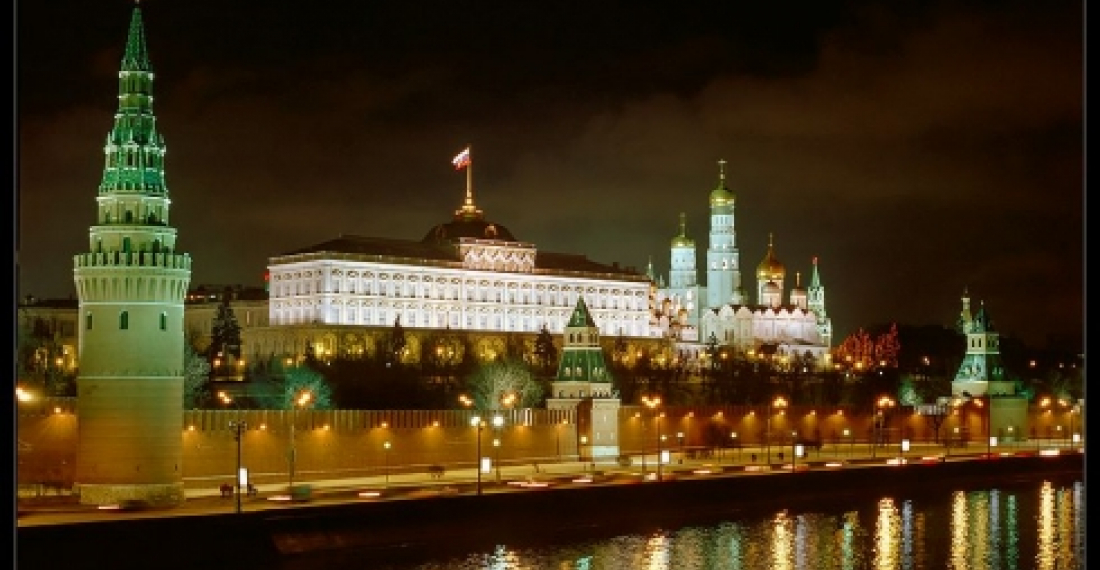
Заседания Совета коллективной безопасности Организации Договора Коллективной Безопасности (ОДКБ), Совета глав государств СНГ и Евразийского экономического союза (ЕврАзЭС) Межгосударственного совета состоится в Москве на этой неделе, совпадая с 20-летием распада Советского Союза. Одиннадцать постсоветских государств примут участие в некоторых или во всех заседаниях советов, которые были созданы для поддержания связей между бывшими республиками СССР. Балтийские страны никогда не вступали в такие союзы, а Грузия вышла из состава СНГ после того, как Россия признала Абхазию и Южную Осетию в период после августовской войны 2008 года.

Заседания будут омрачены событиями в Казахстане, где в пятницу четырнадцать человек погибли во время протестов против правительства в городе Жанаозен, что побудило президента Казахстана Нурсултана Назарбаева объявить чрезвычайное положение в этом городе. Были сообщения о других инцидентах в других частях западного Казахстана, в том числе в областном центре Актау. Регион является центром Казахстана, в котором сосредоточены прибыльные отрасли энергетики.

Существует увеличивающееся напряжение во внутриполитической ситуации в ряде постсоветских стран по мере увеличения спроса на политические и экономические реформы. В России протесты продолжались и в минувшие выходные вследствие обвинении в фальсификации во время выборов в Думу в начале этого месяца. Выступая на встрече с партийными лидерами Единой России в воскресенье, президент России Дмитрий Медведев заявил, что партии требуются срочные реформы. Между тем, фракция партии в Государственной Думе уже сменила ее лидеров: 12 председателей из 15 комитетов Государственной Думы будут заменены.

На повестке дня саммита СНГ усиление механизма наблюдателей от СНГ на выборах, но многие специалисты считают, что это попытка уравновесить западные миссий наблюдателей, которые в прошлом часто были весьма критически настроены к избирательной системе во многих государствах СНГ.

source: commonspace.eu

Related articles

Editor's choice
News
The British prime minister says Europe must "stand on its own two feet" when it comes to defence

The British prime minister says Europe must "stand on its own two feet" when it comes to defence

The UK will deploy a carrier strike group, led by the aircraft carrier HMS Prince of Wales to the Arctic and the High North as part of efforts to bolster security against Russian threats. British prime minister, Sir Keir Starmer announced the deployment in a speech on Saturday (14 February) at the Munich Security Conference. Europe must be ready to fight to protect its people, values, and way of life,  Sir Keir told the Conference. Starmer also called for deeper links and cooperation, including economic ties, between the UK and EU. The PM stressed the continent must "stand on its own two feet" when it comes to defence commitments. "We must build our hard power, because that is the currency of the age," he told the conference. (Click image to read the full story).

Popular

Editor's choice
Interview
Thursday Interview: Murad Muradov

Thursday Interview: Murad Muradov

Today, commonspace.eu starts a new regular weekly series. THURSDAY INTERVIEW, conducted by Lauri Nikulainen, will host  persons who are thinkers, opinion shapers, and implementors in their countries and spheres. We start the series with an interview with Murad Muradov, a leading person in Azerbaijan's think tank community. He is also the first co-chair of the Action Committee for a new Armenian-Azerbaijani Dialogue. Last September he made history by being the first Azerbaijani civil society activist to visit Armenia after the 44 day war, and the start of the peace process. Speaking about this visit Murad Muradov said: "My experience was largely positive. My negative expectations luckily didn’t play out. The discussions were respectful, the panel format bringing together experts from Armenia, Azerbaijan, and Turkey was particularly valuable during the NATO Rose-Roth Seminar in Yerevan, and media coverage, while varied in tone, remained largely constructive. Some media outlets though attempted to represent me as more of a government mouthpiece than an independent expert, which was totally misleading.  Overall, I see these initiatives as important steps in rebuilding trust and normalising professional engagement. The fact that soon a larger Azerbaijani civil society visits to Armenia followed, reinforces the sense that this process is moving in the right direction." (click the image to read the interview in full)



