


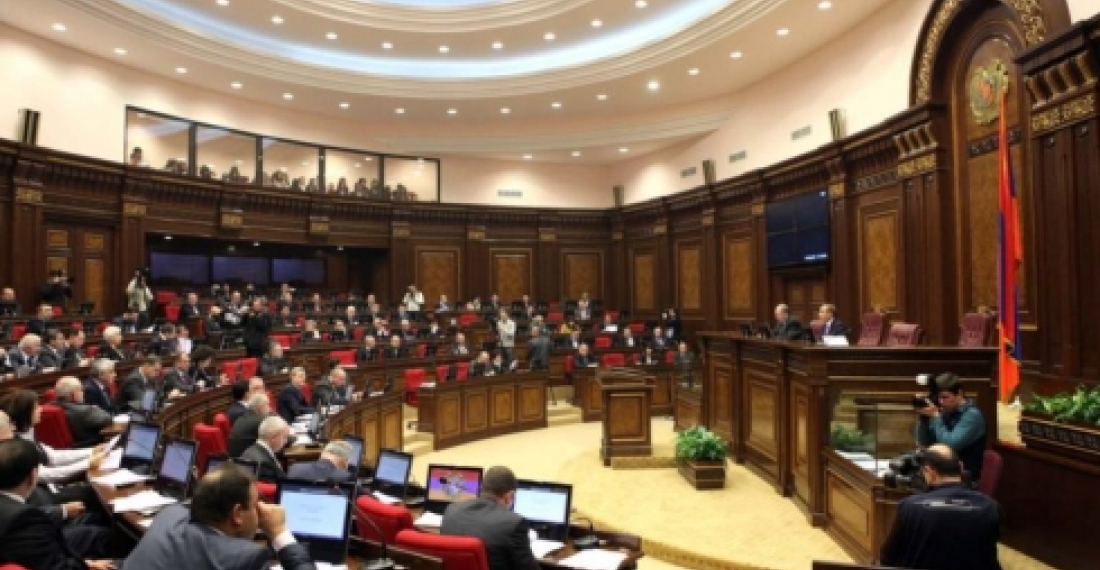
Национальное Собрание Армении приступило к обсуждениям проекта заявления в связи с выдачей Венгрией Азербайджану Рамиля Сафарова, убившего в 2004 году в Будапеште армянского офицера Гургена Маргаряна и помилованного азербайджанским президентом.
Охарактеризовав убийство Маргаряна как жестокое и бесчеловечное преступление, председатель постоянной комиссии по внешним связям НС РА Артак Закарян, представивший проект заявления, отметил, что правительство Венгрии в качестве принимающей страны не обеспечила безопасность участников во время международного мероприятия на своей территории. Убийство армянского офицера и совершивший его преступник периодически и на самом высоком уровне оправдывались азербайджанскими властями, следовательно, до принятия решения полномочные органы Венгрии не могли не осознавать, что выдача Азербайджану преступника, осужденного венгерским судом на пожизненное заключение, означает его освобождение и создание прецедента для поощрения преступлений против армян на этнической почве. "Помилование преступника президентом Азербайджана, а также присвоение званий и различных наград является проявлением политического цинизма в отношении международного сообщества", - говорится в проекте заявления.
В проекте документа отмечается, что это преступление является следствием политики ксенофобии, проповедуемой азербайджанскими властями, а, помиловав убийцу, президент Азербайджана и азербайджанские власти берут на себя ответственность за его преступление. "Указ президента Азербайджана (о помиловании) противоречит гуманистическим целям страсбургской Конвенции 1983 года <О передаче осужденных лиц>, а также всеобщим принципам прав человека. Национальное Собрание заявляет, что венгерские власти также несут ответственность за случившееся, осуждает их поведение и на парламентском уровне приостанавливает официальные отношения с Венгрией", - говорится в проекте документе.
В нем отмечается, что Азербайджан этим шагом в очередной раз ставит под угрозу региональную безопасность и еще более углубляет развязанную им атмосферу антиармянской вражды и ненависти, попирает права человека, гарантированные международными правовыми документами, в очередной раз демонстрирует свою последовательную политику, направленную на срыв переговорного процесса по мирному урегулированию нагорно-карабахской проблемы и деятельности международного сообщества, в частности, Минской группы ОБСЕ. "Атмосфера ненависти к армянам укоренившаяся в Азербайджане на государственном уровне, вновь подтверждает ту реальность, что Нагорно-Карабахская Республика не может быть в составе Азербайджане ни в каком статусе", - говорится в документе.
Парламент Армении призвал все страны, руководствующиеся демократическими ценностями, осудить сделку между Венгрией и Азербайджаном, совершенную 31 августа. "Мы ожидаем симметричной реакции международных парламентских организаций и соответствующих четких действий", - говорится в проекте заявления.
Отметим, что в прения по проекту заявления записались 25 депутатов парламента.
31 августа осужденный в Венгрии на пожизненный срок азербайджанский офицер Рамиль Сафаров был экстрадирован на родину. В тот же день президент Азербайджана Ильхам Алиев своим указом помиловал его, а министр обороны присвоил звание майора. Рамилю Сафарову была выплачена зарплата за восемь лет, а также подарена квартира. В связи с этим президент Армении Серж Саргсян созвал экстренное заседание Совета национальной безопасности и совещание аккредитованных в республике послов и заявил о прекращении дипломатических отношений с Венгрией.19 февраля 2004 года в Будапеште Рамиль Сафаров ночью зарубил топором спящего армянского офицера Гургена Маргаряна. Оба офицера проходили в венгерской столице курс английского языка в рамках программы НАТО "Сотрудничество во имя мира". Сафарову было предъявлено обвинение по статье 166.2 УК Венгрии (убийство при отягчающих обстоятельствах), предполагающее лишение свободы сроком от 10 до 15 лет или пожизненное заключение. Суд приговорил Сафарова к пожизненному тюремному заключению без права амнистии в первые 30 лет. Судья объяснил свое решение особой жестокостью убийства Сафарова и тем, что последний не раскаялся в совершении преступления.
В проекте документа отмечается, что это преступление является следствием политики ксенофобии, проповедуемой азербайджанскими властями, а, помиловав убийцу, президент Азербайджана и азербайджанские власти берут на себя ответственность за его преступление. "Указ президента Азербайджана (о помиловании) противоречит гуманистическим целям страсбургской Конвенции 1983 года <О передаче осужденных лиц>, а также всеобщим принципам прав человека. Национальное Собрание заявляет, что венгерские власти также несут ответственность за случившееся, осуждает их поведение и на парламентском уровне приостанавливает официальные отношения с Венгрией", - говорится в проекте документе.
В нем отмечается, что Азербайджан этим шагом в очередной раз ставит под угрозу региональную безопасность и еще более углубляет развязанную им атмосферу антиармянской вражды и ненависти, попирает права человека, гарантированные международными правовыми документами, в очередной раз демонстрирует свою последовательную политику, направленную на срыв переговорного процесса по мирному урегулированию нагорно-карабахской проблемы и деятельности международного сообщества, в частности, Минской группы ОБСЕ. "Атмосфера ненависти к армянам укоренившаяся в Азербайджане на государственном уровне, вновь подтверждает ту реальность, что Нагорно-Карабахская Республика не может быть в составе Азербайджане ни в каком статусе", - говорится в документе.
Парламент Армении призвал все страны, руководствующиеся демократическими ценностями, осудить сделку между Венгрией и Азербайджаном, совершенную 31 августа. "Мы ожидаем симметричной реакции международных парламентских организаций и соответствующих четких действий", - говорится в проекте заявления.
Отметим, что в прения по проекту заявления записались 25 депутатов парламента.
31 августа осужденный в Венгрии на пожизненный срок азербайджанский офицер Рамиль Сафаров был экстрадирован на родину. В тот же день президент Азербайджана Ильхам Алиев своим указом помиловал его, а министр обороны присвоил звание майора. Рамилю Сафарову была выплачена зарплата за восемь лет, а также подарена квартира. В связи с этим президент Армении Серж Саргсян созвал экстренное заседание Совета национальной безопасности и совещание аккредитованных в республике послов и заявил о прекращении дипломатических отношений с Венгрией.19 февраля 2004 года в Будапеште Рамиль Сафаров ночью зарубил топором спящего армянского офицера Гургена Маргаряна. Оба офицера проходили в венгерской столице курс английского языка в рамках программы НАТО "Сотрудничество во имя мира". Сафарову было предъявлено обвинение по статье 166.2 УК Венгрии (убийство при отягчающих обстоятельствах), предполагающее лишение свободы сроком от 10 до 15 лет или пожизненное заключение. Суд приговорил Сафарова к пожизненному тюремному заключению без права амнистии в первые 30 лет. Судья объяснил свое решение особой жестокостью убийства Сафарова и тем, что последний не раскаялся в совершении преступления.



