США одобрили продажу Украине 210 противотанковых комплексов Javelin

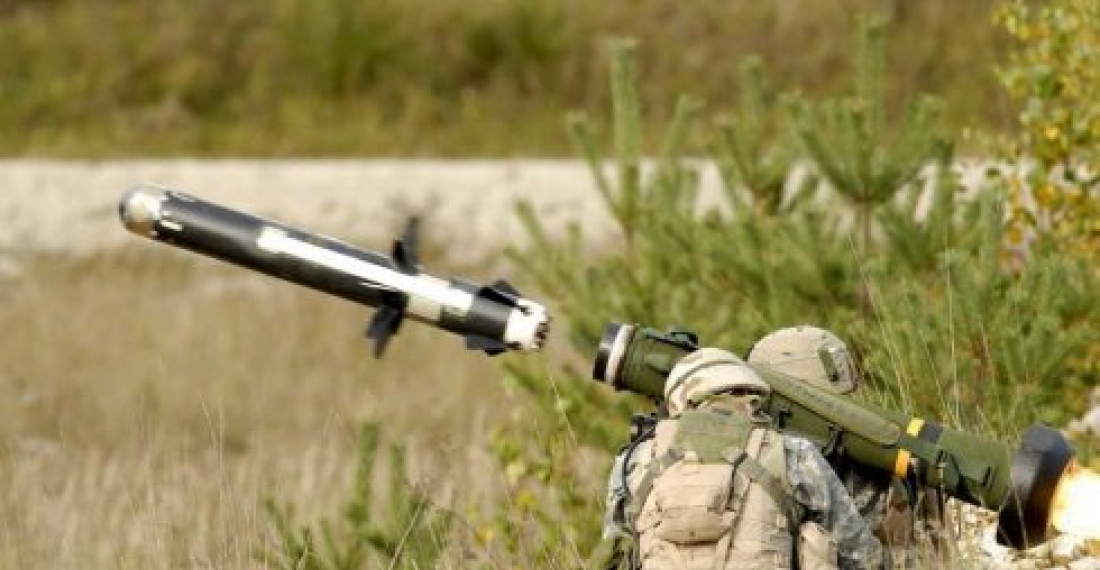
Соединенные Штаты официально одобрили продажу Украине противотанковых ракет Javelin, об этом в четверг сообщил Государственный департамент США.

Агентство по сотрудничеству в области оборонной безопасности сообщило, что Украина попросила администрацию президента Дональда Трампа разрешить поставку 210 ракет и 37 пусковых установок стоимостью около 47 миллионов долларов.

США также предоставят возможности для обучения и перевозки комплексов Javelin.

Профильное агентство Пентагона отметило, что поставка Javelin не повлияет на «базовый военный баланс» в регионе.

Раннее Грузия получила от США первую партию переносных противотанковых комплексов Javelin, на поставку которых власти страны ранее заключили контракт с Пентагоном. Грузия в 2017 году обратилась к США с предложением продать 410 ракет Javelin и 72 командно-пусковые установки (в том числе два командно-пусковых блока), 10 учебных комплексов и 70 зарядов для них. В ноябре Госдеп США одобрил продажу Тбилиси ракетных комплексов на сумму 75 миллионов долларов.

источник: commonspace.eu по материалам СМИ

 

Related articles

Popular

Editor's choice
Interview
Thursday Interview: Murad Muradov

Thursday Interview: Murad Muradov

Today, commonspace.eu starts a new regular weekly series. THURSDAY INTERVIEW, conducted by Lauri Nikulainen, will host  persons who are thinkers, opinion shapers, and implementors in their countries and spheres. We start the series with an interview with Murad Muradov, a leading person in Azerbaijan's think tank community. He is also the first co-chair of the Action Committee for a new Armenian-Azerbaijani Dialogue. Last September he made history by being the first Azerbaijani civil society activist to visit Armenia after the 44 day war, and the start of the peace process. Speaking about this visit Murad Muradov said: "My experience was largely positive. My negative expectations luckily didn’t play out. The discussions were respectful, the panel format bringing together experts from Armenia, Azerbaijan, and Turkey was particularly valuable during the NATO Rose-Roth Seminar in Yerevan, and media coverage, while varied in tone, remained largely constructive. Some media outlets though attempted to represent me as more of a government mouthpiece than an independent expert, which was totally misleading.  Overall, I see these initiatives as important steps in rebuilding trust and normalising professional engagement. The fact that soon a larger Azerbaijani civil society visits to Armenia followed, reinforces the sense that this process is moving in the right direction." (click the image to read the interview in full)