


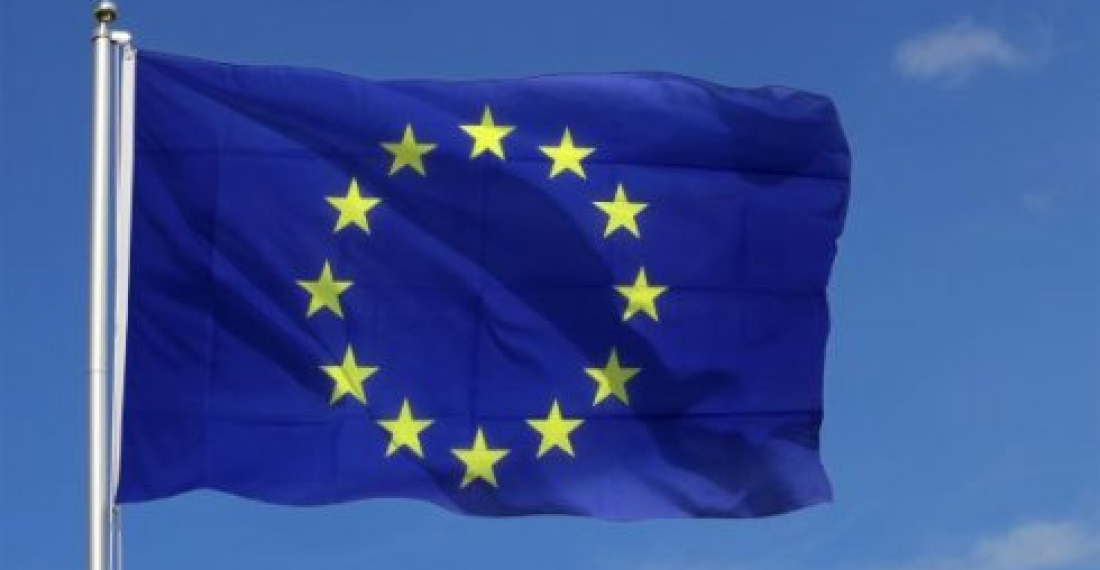
Нагорный Карабах: ЕС продолжит следить за ситуацией

Специальный представитель Европейского Союза по внешней политике и политике безопасности Джозеп Боррелль в воскресенье (18 октября) провел разговоры с министрами иностранных дел Армении и Азербайджана, чтобы обсудить текущий конфликт между двумя странами. В воскресенье вечером Боррелль выступил с заявлением, в котором повторил свой призыв к прекращению огня и решительно осудил все нападения на гражданское население.

В заявлении сказано:

Европейский Союз приветствует совместное объявление Арменией и Азербайджаном о прекращении огня в гуманитарных целях, начало которого было запланировано на 00:00 (по местному времени) вчера вечером, после посреднических усилий президента Франции Эммануэля Макрона в координации с другими сопредседателями Минской группой ОБСЕ. ЕС сожалеет о том, что, к сожалению, нарушения продолжаются, и все еще сообщается о боевых действиях в Нагорном Карабахе и вокруг него. Это приводит к еще большим страданиям гражданского населения. Это обостряет конфликт между государствами и соответствующими обществами, еще более затрудняя заживление ран. Население Нагорного Карабаха уже испытало чрезмерные страдания. В целом конфликт привел к большим и недопустимым жертвам среди гражданского населения. ЕС решительно осуждает все подобные нападения, независимо от их происхождения.

Я только что позвонил министрам иностранных дел Армении и Азербайджана, чтобы убедить их в том, что прекращение огня должно быть безоговорочным и строго соблюдаться обеими сторонами. Я также подчеркнул, что нападения на мирных жителей должны быть немедленно прекращены. Их нельзя оправдать. Я повторил, что ЕС по-прежнему готов поддержать стороны и ОБСЕ в долгосрочном урегулировании конфликта.

ЕС продолжит следить за ситуацией.

Источник: commonspace.eu по материалам пресс-службы ЕСВД, Брюссель

 

Related articles

Editor's choice
News
The British prime minister says Europe must "stand on its own two feet" when it comes to defence

The British prime minister says Europe must "stand on its own two feet" when it comes to defence

The UK will deploy a carrier strike group, led by the aircraft carrier HMS Prince of Wales to the Arctic and the High North as part of efforts to bolster security against Russian threats. British prime minister, Sir Keir Starmer announced the deployment in a speech on Saturday (14 February) at the Munich Security Conference. Europe must be ready to fight to protect its people, values, and way of life,  Sir Keir told the Conference. Starmer also called for deeper links and cooperation, including economic ties, between the UK and EU. The PM stressed the continent must "stand on its own two feet" when it comes to defence commitments. "We must build our hard power, because that is the currency of the age," he told the conference. (Click image to read the full story).

Popular

Editor's choice
Interview
Thursday Interview: Murad Muradov

Thursday Interview: Murad Muradov

Today, commonspace.eu starts a new regular weekly series. THURSDAY INTERVIEW, conducted by Lauri Nikulainen, will host  persons who are thinkers, opinion shapers, and implementors in their countries and spheres. We start the series with an interview with Murad Muradov, a leading person in Azerbaijan's think tank community. He is also the first co-chair of the Action Committee for a new Armenian-Azerbaijani Dialogue. Last September he made history by being the first Azerbaijani civil society activist to visit Armenia after the 44 day war, and the start of the peace process. Speaking about this visit Murad Muradov said: "My experience was largely positive. My negative expectations luckily didn’t play out. The discussions were respectful, the panel format bringing together experts from Armenia, Azerbaijan, and Turkey was particularly valuable during the NATO Rose-Roth Seminar in Yerevan, and media coverage, while varied in tone, remained largely constructive. Some media outlets though attempted to represent me as more of a government mouthpiece than an independent expert, which was totally misleading.  Overall, I see these initiatives as important steps in rebuilding trust and normalising professional engagement. The fact that soon a larger Azerbaijani civil society visits to Armenia followed, reinforces the sense that this process is moving in the right direction." (click the image to read the interview in full)


