Editor's choice
This is a members’ functionality. Please
Sign upNews
Trending
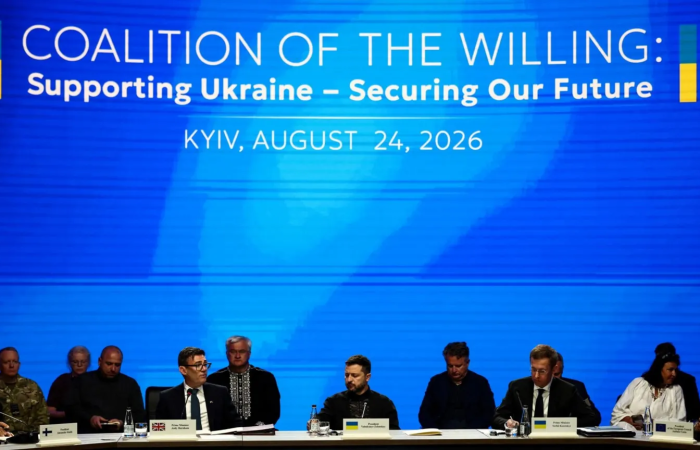
''Coalition of the Willing'' meets in Kyiv to restate its support for Ukraine
24 August 2026
The ''Coalition of the Willing'' of thirty five countries, has renewed its support of Ukriane, at a meeting in Kyiv, held on Ukraine's national day on 24 August, under the chairmanship of British Prime Minister,A ndy Burnham. Burnham has promised to keep up the pressure on Russia despite Moscow's "outrageous threats", on his first official visit to Ukraine as UK prime minister.
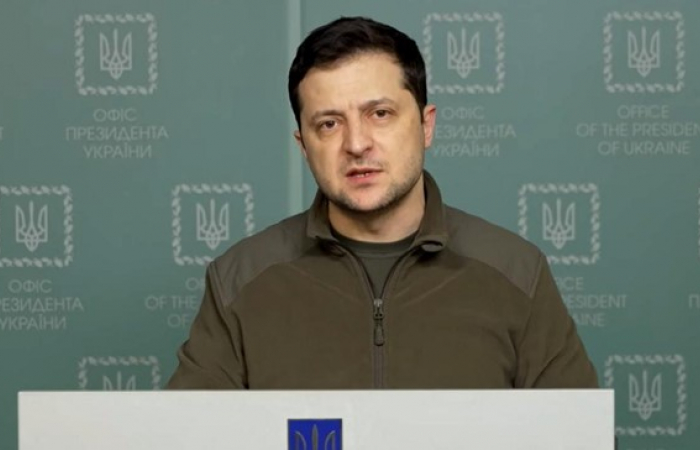
Burnham met Ukrainian President Volodymyr Zelensky and chaired his first meeting of the "coalition of the willing", set up by the UK and France under his predecessor Sir Keir Starmer.
He said the coalition was "doing everything we can" while urging the US Congress to "ratchet up" economic pressure on Russia.
The government has agreed to hand over blueprints for British-made components for the Scalp missile, a French version of the UK's Storm Shadow cruise missile - allowing Ukraine to produce the long-range weapon domestically.
During the meeting with France and Ukraine, Burnham said allies were doing "everything we can" to "dig into our own stocks and help others dig into their stocks" of air defences to protect Ukraine.
"This is the moment to keep up the pressure on Russia, the moment to squeeze their ability to fund this illegal war," Burnham said, praising the "strength" of the Ukrainian people.
"Ukraine has been Europe's protector, not a drain on our security but the front line in keeping Europe safe."
It comes after Kremlin spokesman Dmitry Peskov criticised the UK's decision to share the missile blueprints. Peskov said it prevented "even the slightest progress" towards achieving peace.
He told reporters on Monday that the Russian military was already gathering data to locate any missile production sites to destroy them.
"Britain is involved in this war on the side of the Kyiv regime. Britain methodically and regularly adds fuel to the fire," he added.
In response, Burnham said: "Who started the fire? That's the question, isn't it?"
He added the issue of missile interceptors would be the main topic at the coalition of the willing meeting.
Burnham chaired his first meeting of the "coalition of the willing" in Kyiv
Burnham has been reaffirming the UK's backing for Kyiv in the wake of escalating Russian strikes on Ukraine in recent weeks - including one on a shopping centre on Friday that killed at least 16 people.
In a joint statement after the meeting, Burnham and co-chairs French President Emmanuel Macron and German Chancellor Friedrich Merz said the group would aim to strength Kyiv's air defences "as a matter or urgent priority".
They also condemned Moscow's "systemic and escalating strikes against Ukraine's cities, critical infrastructure and civilians" and pledged to "constrain Russia's war chest through sanctions and actions against the "shadow fleet". (click image to read more).