К вопросам охраны здоровья и техники безопасности на Южном Кавказе надо подходить всерьез

Инцидент, произошедший на грузинском горнолыжном курорте в Гудаури, стал одним из последних в ряде серьезных происшествий в регионе за последнее время, которые, по мнению многих, можно было бы избежать, утверждает Деннис Саммут в своем еженедельном комментарий по понедельникам. Настало время сделать вопросы охраны здоровья и безопасности приоритетом!

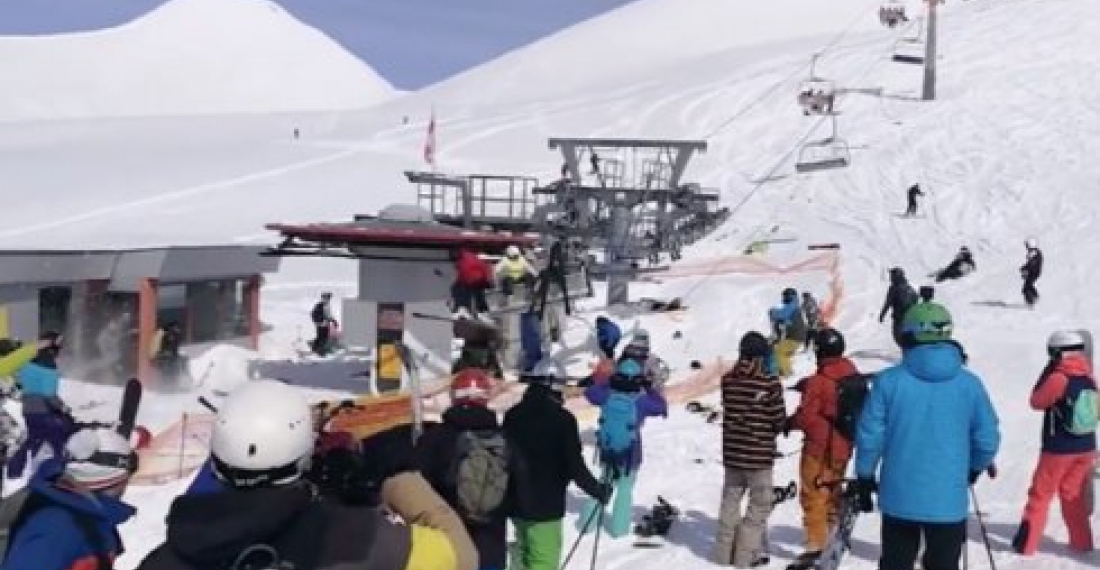
Кадры с горнолыжного курорта Грузии Гудаури на прошлой неделе очень сильно расстроили грузинское правительство. Видеокадры, свидетельствующие об инциденте, в результате которого несколько человек получили ранения в момент, когда подъемник внезапно остановился и затем стремительно начал работать в обратном направлении, облетели весь мир. Некоторые из туристов, находившихся в тот момент на подъемнике успели вовремя спрыгнуть, другие же были выброшены со стульев, многие получили ранения. Этот инцидент в настоящий момент расследуется, и грузинское правительство пообещало наказать виновных в случившемся. Но этот инцидент еще раз выдвинул на передний план вопросы охраны здоровья и техники безопасности на всем Южном Кавказе.

Проблемы с охраной здоровья и безопасности в Армении, Азербайджане и Грузии имеют множество форм, начиная от проблем с неисправными приборами и заканчивая пожарами, охватившими целые здания. За последнее десятилетие в трех странах наблюдалось быстрое экономическое развитие, и это привело к строительному буму. Но очень часто ради быстроты и прибыли, экономили на качестве.

Вопросы охраны здоровья и безопасности часто отвергаются как еще одна причудливая концепция, пришедшая из Европы. Это отчасти является результатом своего рода "мачо-мен" подхода многих мужчин в регионе. Западные компании, привыкшие работать в жестких законодательных рамках, которые налагают большие штрафы за отсутствие процедур охраны здоровья и безопасности, часто сталкиваются с проблемами, когда просят местных сотрудников следить за процедурами охраны здоровья и безопасности просто потому, что те считают их более сложными.

Но еще чаще проблема заключается в алчности. Некоторые бизнесмены просто не хотят тратить деньги на обеспечение надлежащих мер по охране здоровья и безопасности. Также вполне вероятно, что некоторые из инцидентов, которые произошли в последние годы, также были результатом коррупции, а муниципальные чиновники закрыли глаза на нарушения. Следствия по ряду инцидентов, похоже, ни к чему не привели.

Армения, Азербайджан и Грузия в настоящее время хорошо интегрированы в глобальные процессы. Все трое стремятся утвердиться в качестве популярных мест для туристов из Европы и других стран. Все три страны имеют или находятся в процессе переговоров по экономическим и торговым соглашениям с Европейским Союзом. Если когда-либо проблемы со здоровьем и безопасностью были «роскошью», то теперь это определенно уже не так.

Во всех трех странах должно произойти четыре вещи. Сначала необходимо укрепить нормативную базу. Аргумент о сокращении процедур в целях содействия бизнесу является сильным, и его часто слышат и в странах ЕС. Но регуляции касательно охраны здоровья и безопасности не должны быть ослаблены.

Вторая мера требует адекватной подготовки людей, чья работа связана со здоровьем и безопасностью других людей. В необходимости этого очень быстро убеждаются люди, посещающие регион.

В-третьих, в то время как все три страны имеют, по крайней мере, на бумаге, учреждения, которые отвечают за вопросы охраны здоровья и безопасности, очень часто распределяют обязанности между несколькими учреждениями, что затрудняет указание пальцем на того, кто несет ответственность, когда не соблюдаются процедуры, или что еще хуже когда происходят инциденты. В некоторых европейских странах существуют «органы по охране здоровья и безопасности», полномочия которых распределяются по правительственным учреждениям и которые наделены полномочиями и ресурсами. Необходимо внедрить передовую практику в этом отношении.

И последнее, но не менее важное: необходимо провести всенародные кампании, чтобы люди знали о рисках и мерах в области здравоохранения и безопасности. Часть проблемы находится в сознании, частично в недостаточной осведомленности. Правительствам необходимо взять на себя инициативу, и если они этого не хотят делать, то организации гражданского общества должны занятся этим.

Правительства Армении, Азербайджана и Грузии поглощены модернизацией своих обществ. Они прилагают огромные усилия для развития инфраструктуры и экономики. Эти процессы должны сопровождать меры по охране здоровья и безопасности, и не как раздражающее дополнение, а как неотъемлемая часть процесса. И когда дело доходит до выбора, ответ должен быть однозначным: «Безопасность в первую очередь».

источник: Деннис Саммут исполнительный директор LINKS (Диалог, Анализ и Исследования).

фото: фото с места инцидента на грузинском горнолыжном курорте Гудаури, 16 марта 2018 года
Related articles

Editor's choice
News
Germany accuses Russia of cyberattacks and disinformation campaign

Germany accuses Russia of cyberattacks and disinformation campaign

The German government holds Russia responsible for a cyberattack on German air traffic control, and for targeted disinformation campaigns before the last federal election. According to the German Foreign Office in Berlin, the incidents could be clearly attributed to the Russian military intelligence service, the GRU. In response, the Russian ambassador to Berlin was summoned to the Foreign Ministry. "We have been observing a massive increase in threatening hybrid activities by Russia for some time now," a spokesperson for the Foreign Ministry stated. These range from disinformation campaigns and espionage to cyberattacks and sabotage attempts. The aim is to divide society, sow distrust, and undermine confidence in democratic institutions. The spokesperson added that with these actions, Russia is "very concretely threatening our security, not only through its war of aggression against Ukraine, but also here in Germany."  The Foreign Ministry spokesperson explained that the cyberattack on air traffic control in August 2024 was clearly attributed to the hacker collective "APT28," known as "Fancy Bear," and to the responsibility of the Russian military intelligence service, the GRU. Furthermore, it could now be "conclusively stated" that Russia had attempted "to influence and destabilize both the last Federal election and the ongoing internal affairs of the Federal Republic of Germany." There was "absolutely irrefutable evidence" for this". The so-called "Storm 1516" campaign, which has been running since 2024, is allegedly backed by "reliable information" that the Moscow-based think tank "Center for Geopolitical Expertise" is behind it. The Center is also said to be supported by Russian military intelligence. Its primary aim is to influence democratic elections in the West. (Click the image to read more).
Editor's choice
News
NATO Chief says war is on Europe's doorstep, and warns against complacency

NATO Chief says war is on Europe's doorstep, and warns against complacency

Russia could attack a NATO country within the next five years, the Secretary General of NATO, Mark Rutte, said in a stark new warning. "NATO's own defences can hold for now," Rutte warned in Berlin, but conflict was "next door" to Europe, and he feared "too many are quietly complacent, and too many don't feel the urgency, too many believe that time is on our side. "Russia is already escalating its covert campaign against our societies," Rutte said in a speech in Germany. "We must be prepared for the scale of war our grandparents or great-grandparents endured." Earlier this month, Russia's President Vladimir Putin said his country was not planning to go to war with Europe, but it was ready "right now" if Europe wanted to - or started a war. But similar reassurances were given by Moscow in 2022, just before 200,000 Russian troops crossed the border and invaded Ukraine. Putin has accused European countries of hindering US efforts to bring peace in Ukraine - a reference to the role Ukraine's European allies have recently played in trying to change a US peace plan to end the war, whose initial draft was seen as favouring Russia. But Putin was not sincere, Nato's secretary-general said in the German capital, Berlin. Supporting Ukraine, he added, was a guarantee for European security. "Just imagine if Putin got his way; Ukraine under the boot of Russian occupation, his forces pressing against a longer border with Nato, and the significantly increased risk of an armed attack against us." Russia's economy has been on a war footing for more than three years now - its factories churn out ever more supplies of drones, missiles and artillery shells. According to a recent report by the Kiel Institute for the World Economy, Russia has been producing each month around 150 tanks, 550 infantry fighting vehicles, 120 Lancet drones and more than 50 artillery pieces. The UK, and most of its Western allies, are simply not anywhere near this point. Analysts say it would take years for Western Europe's factories to come close to matching Russia's mass-production of weapons. "Allied defence spending and production must rise rapidly, our armed forces must have what they need to keep us safe," the Nato chief said.

Popular

Editor's choice
News
Germany accuses Russia of cyberattacks and disinformation campaign

Germany accuses Russia of cyberattacks and disinformation campaign

The German government holds Russia responsible for a cyberattack on German air traffic control, and for targeted disinformation campaigns before the last federal election. According to the German Foreign Office in Berlin, the incidents could be clearly attributed to the Russian military intelligence service, the GRU. In response, the Russian ambassador to Berlin was summoned to the Foreign Ministry. "We have been observing a massive increase in threatening hybrid activities by Russia for some time now," a spokesperson for the Foreign Ministry stated. These range from disinformation campaigns and espionage to cyberattacks and sabotage attempts. The aim is to divide society, sow distrust, and undermine confidence in democratic institutions. The spokesperson added that with these actions, Russia is "very concretely threatening our security, not only through its war of aggression against Ukraine, but also here in Germany."  The Foreign Ministry spokesperson explained that the cyberattack on air traffic control in August 2024 was clearly attributed to the hacker collective "APT28," known as "Fancy Bear," and to the responsibility of the Russian military intelligence service, the GRU. Furthermore, it could now be "conclusively stated" that Russia had attempted "to influence and destabilize both the last Federal election and the ongoing internal affairs of the Federal Republic of Germany." There was "absolutely irrefutable evidence" for this". The so-called "Storm 1516" campaign, which has been running since 2024, is allegedly backed by "reliable information" that the Moscow-based think tank "Center for Geopolitical Expertise" is behind it. The Center is also said to be supported by Russian military intelligence. Its primary aim is to influence democratic elections in the West. (Click the image to read more).