


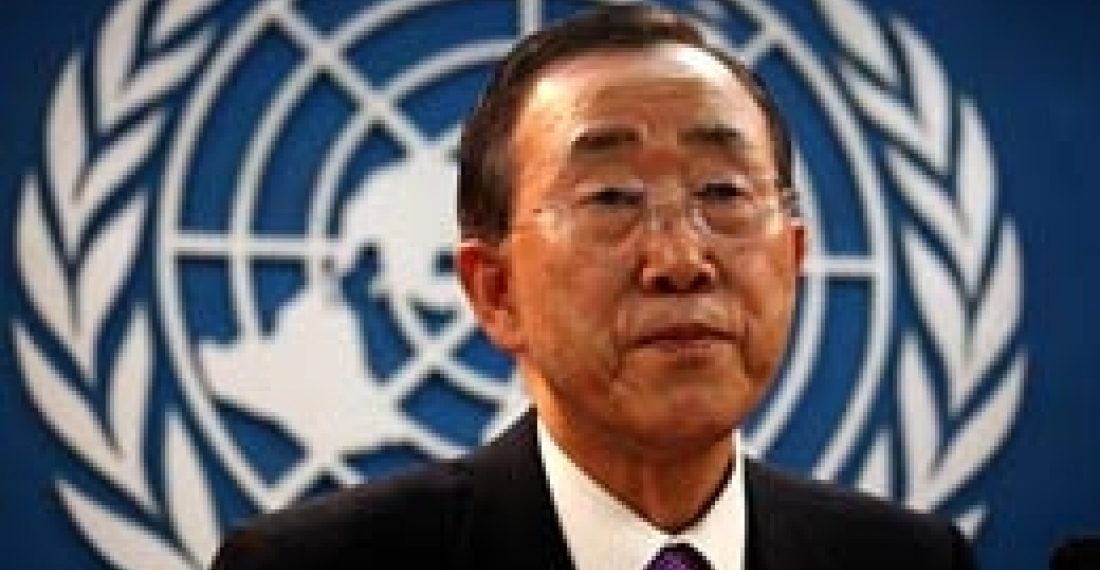
Генсек ООН: Мы надеемся, что ситуация с Сафаровым не навредит процессу мирного урегулирования в Нагорном Карабахе

Генеральный секретарь ООН Пан Ги Мун сожалеет по поводу развития событий вокруг помилования в Азербайджане Рамиля Сафарова, убившего в 2004 году в Будапеште армянского офицера Гургена Маргаряна, и надеется, что это не навредит процессу мирного урегулирования в Нагорном Карабахе. Об этом заявил официальный представитель главы всемирной организации Мартин Несирки. 

Представитель ООН выразил надежду, что сложившаяся ситуация не нанесет вреда нагорно-карабахскому мирному процессу и доверию между сторонами.  "Альтернативы мирному урегулированию нагорно-карабахского конфликта не существует. ООН подчеркивает ответственность входящих в нее стран следовать международным стандартам и принципам буквы закона в уголовных делах для взыскания ответственности и борьбы с безнаказанностью", - передал Несирки позицию ООН.

Напомним, что 31 августа осужденный в Венгрии на пожизненный срок азербайджанский офицер Рамиль Сафаров был экстрадирован на родину. В тот же день президент Азербайджана Ильхам Алиев своим указом помиловал его, а министр обороны присвоил звание майора. Рамилю Сафарову была выплачена зарплата за восемь лет, а также подарена квартира. В связи с этим президент Армении Серж Саргсян созвал экстренное заседание Совета национальной безопасности и совещание аккредитованных в республике послов и заявил о прекращении дипломатических отношений с Венгрией. 19 февраля 2004 года в Будапеште Рамиль Сафаров ночью зарубил топором спящего армянского офицера Гургена Маргаряна. Оба офицера проходили в венгерской столице курс английского языка в рамках программы НАТО "Сотрудничество во имя мира". Сафарову было предъявлено обвинение по статье 166.2 УК Венгрии (убийство при отягчающих обстоятельствах), предполагающее лишение свободы сроком от 10 до 15 лет или пожизненное заключение. Суд приговорил Сафарова к пожизненному тюремному заключению без права амнистии в первые 30 лет. Судья объяснил свое решение особой жестокостью убийства Сафарова и тем, что последний не раскаялся в совершении преступления.

Начало карабахскому конфликту было положено в 1988 году, после заявления преимущественно населенного армянами Нагорного Карабаха о выходе из состава Азербайджана. 10 декабря 1991 года в Нагорном Карабахе состоялся референдум, где 99,89% высказались за полную независимость от Азербайджана. Инициированные Азербайджаном вслед за этим широкомасштабные боевые действия привели к потере контроля не только над Нагорным Карабахом, но и прилегающими к нему семью районами. С 12 мая 1994 года после вступления в силу трехстороннего соглашения о перемирии в зоне конфликта прекращены военные действия, в результате которых с обеих сторон погибло примерно 25-30 тысяч человек, и около 1 миллиона были вынуждены покинуть свои дома. Соглашение об установлении режима прекращения огня соблюдается до сих пор. С 1992 года ведутся переговоры по мирному урегулированию конфликта в рамках Минской группы ОБСЕ, сопредседателями которой являются США, Россия и Франция.


Related articles

Editor's choice
News
Borrell tells the European Parliament that the situation in Afghanistan was critical, but the EU will remain engaged

Borrell tells the European Parliament that the situation in Afghanistan was critical, but the EU will remain engaged

Borrell underlined that the European Union will make every effort to support the peace process and to remain a committed partner to the Afghan people. "Of course, we will have to take into account the evolving situation, but disengagement is not an option.  We are clear on that: there is no alternative to a negotiated political settlement, through inclusive peace talks.
Editor's choice
News
Germany accuses Russia of cyberattacks and disinformation campaign

Germany accuses Russia of cyberattacks and disinformation campaign

The German government holds Russia responsible for a cyberattack on German air traffic control, and for targeted disinformation campaigns before the last federal election. According to the German Foreign Office in Berlin, the incidents could be clearly attributed to the Russian military intelligence service, the GRU. In response, the Russian ambassador to Berlin was summoned to the Foreign Ministry. "We have been observing a massive increase in threatening hybrid activities by Russia for some time now," a spokesperson for the Foreign Ministry stated. These range from disinformation campaigns and espionage to cyberattacks and sabotage attempts. The aim is to divide society, sow distrust, and undermine confidence in democratic institutions. The spokesperson added that with these actions, Russia is "very concretely threatening our security, not only through its war of aggression against Ukraine, but also here in Germany."  The Foreign Ministry spokesperson explained that the cyberattack on air traffic control in August 2024 was clearly attributed to the hacker collective "APT28," known as "Fancy Bear," and to the responsibility of the Russian military intelligence service, the GRU. Furthermore, it could now be "conclusively stated" that Russia had attempted "to influence and destabilize both the last Federal election and the ongoing internal affairs of the Federal Republic of Germany." There was "absolutely irrefutable evidence" for this". The so-called "Storm 1516" campaign, which has been running since 2024, is allegedly backed by "reliable information" that the Moscow-based think tank "Center for Geopolitical Expertise" is behind it. The Center is also said to be supported by Russian military intelligence. Its primary aim is to influence democratic elections in the West. (Click the image to read more).

Popular

Editor's choice
News
Germany accuses Russia of cyberattacks and disinformation campaign

Germany accuses Russia of cyberattacks and disinformation campaign

The German government holds Russia responsible for a cyberattack on German air traffic control, and for targeted disinformation campaigns before the last federal election. According to the German Foreign Office in Berlin, the incidents could be clearly attributed to the Russian military intelligence service, the GRU. In response, the Russian ambassador to Berlin was summoned to the Foreign Ministry. "We have been observing a massive increase in threatening hybrid activities by Russia for some time now," a spokesperson for the Foreign Ministry stated. These range from disinformation campaigns and espionage to cyberattacks and sabotage attempts. The aim is to divide society, sow distrust, and undermine confidence in democratic institutions. The spokesperson added that with these actions, Russia is "very concretely threatening our security, not only through its war of aggression against Ukraine, but also here in Germany."  The Foreign Ministry spokesperson explained that the cyberattack on air traffic control in August 2024 was clearly attributed to the hacker collective "APT28," known as "Fancy Bear," and to the responsibility of the Russian military intelligence service, the GRU. Furthermore, it could now be "conclusively stated" that Russia had attempted "to influence and destabilize both the last Federal election and the ongoing internal affairs of the Federal Republic of Germany." There was "absolutely irrefutable evidence" for this". The so-called "Storm 1516" campaign, which has been running since 2024, is allegedly backed by "reliable information" that the Moscow-based think tank "Center for Geopolitical Expertise" is behind it. The Center is also said to be supported by Russian military intelligence. Its primary aim is to influence democratic elections in the West. (Click the image to read more).

