ЕС считает враждебную риторику и отсутствие доверия основным препятствием карабахскому урегулированию

БАКУ, 29 ноя – 1NEWS.AZ

Враждебная риторика, отсутствие доверия и достаточных контактов между конфликтующими обществами Азербайджана и Армении препятствуют достижению прогресса в разрешении нагорно-карабахского конфликта.

Об этом сказал в четверг спецпредставитель ЕС на Южном Кавказе Филипп Лефор, вовлеченный в процессы в регионе с сентября прошлого года.

«Евросоюз не считает нагорно-карабахский конфликт замороженным. Заморожено лишь его разрешение», - сказал Лефор, выступая в Азербайджанской дипломатической академии.

По словам дипломата, ЕС стремится к достижению мирного и стабильного региона.

«Продление статус-кво, как и возобновление военных действий, в ЕС считают неприемлемым, так как возобновление военных действий привело бы к краху всех стран региона», - сказал он.

Необходимо продлить достигнутый прогресс, считает Лефор, в связи с чем ЕС ожидает от обеих сторон конфликта мудрости и готовности к компромиссу. Население с обеих сторон, по словам дипломата, должно быть готово к миру, а не к войне.

Евросоюз может внести позитивный вклад в дело урегулирования конфликта, уверен Лефор. У ЕС есть опыт вовлечения в разрешение конфликтных ситуаций, а также есть понимание процессов в регионе Южного Кавказа, отметил он, сославшись на участие ЕС в разрешении конфликта в Грузии.

Так как в нагорно-карабахское урегулирование ЕС напрямую не вовлечен, то в этом отношении ЕС выступает со своими предложениями по построению мер доверия.

По словам Лефора, европейские инициативы по мерам доверия позитивно воспринимаются обеими сторонами конфликта. Однако армянская сторона придает больше значение военной составляющей мер доверия, тогда как азербайджанская сторона – активизации контактов между людьми.

Спецпредставитель ЕС призвал использовать максимум усилий для воссоединения двух обществ, подчеркнув, что сотрудничество – ключевой путь в преломлении стереотипов и продвижения к миру.

Среди приоритетов ЕС в регионе Южного Кавказа Лефор назвал предотвращение новой войны, обеспечение доступа энергоресурсов из региона в Европу, распространение европейских ценностей в регионе, а также укрепление сотрудничества по более глобальным вопросам безопасности, таким как борьба с терроризмом, торговлей людьми, трансграничными и кибер-преступлениями.

Подтвердив поддержку Евросоюзом усилий Минской группы ОБСЕ, Лефор отметил, что в ЕС не видят необходимости изменения формата сопредседателей. Евросоюз, по его словам, также не видит логичной альтернативы обновленным Мадридским принципам, предложенным сопредседателями для решения нагорно-карабахского конфликта.

Елена Остапенко, В.Т.

Related articles

Editor's choice
News
Indian Foreign Minister meets Aliyev in Baku

Indian Foreign Minister meets Aliyev in Baku

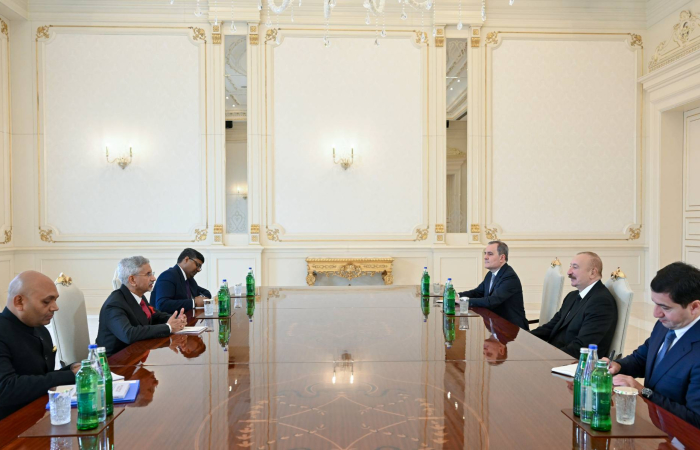
On October 23, the president of Azerbaijan Ilham Aliyev met in Baku with Subrahmanyam Jaishankar, Minister of External Affairs of India. This was the highest level visit by an Indian official to Azerbaijan in a long time. According to the website of the Azerbaijani president, Aliyev fondly recalled his meeting with Indian Prime Minister Narendra Modi in Bishkek and the exchange of views during that meeting. President Ilham Aliyev highly appreciated the visit of India’s Minister of External Affairs to Azerbaijan on the instructions of Prime Minister Narendra Modi, stressing its importance for discussing the current state and prospects of bilateral relations. During the meeting, the sides held an extensive exchange of views on the current state of relations between Azerbaijan and India, highlighting ample opportunities to develop cooperation in areas of mutual interest. The sides noted that Azerbaijan and India, as members of the Global South, share similar positions on a number of issues on the international agenda, including matters of concern to countries of the Global South. In this regard, they discussed prospects for bilateral cooperation in political, trade and economic, high-tech, cultural, humanitarian and other fields. The conversation also touched upon the importance of cooperation within international organizations. The sides emphasized the need to intensify political contacts and organize reciprocal visits at various levels, including exchanges involving economic and business delegations, to further advance bilateral relations.

Popular

Editor's choice
Interview
Thursday Interview: Murad Muradov

Thursday Interview: Murad Muradov

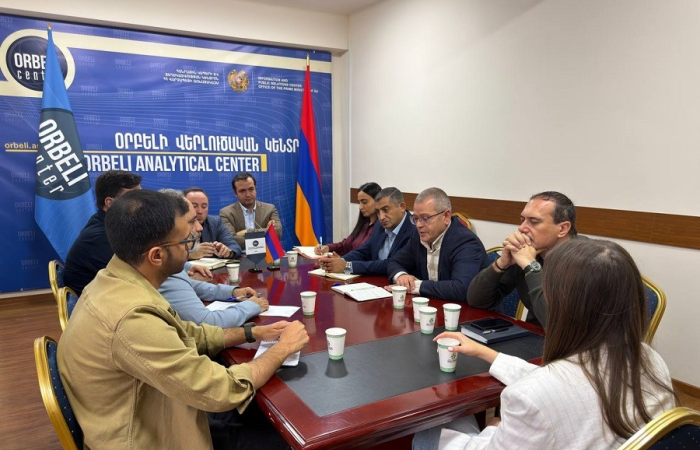
Today, commonspace.eu starts a new regular weekly series. THURSDAY INTERVIEW, conducted by Lauri Nikulainen, will host  persons who are thinkers, opinion shapers, and implementors in their countries and spheres. We start the series with an interview with Murad Muradov, a leading person in Azerbaijan's think tank community. He is also the first co-chair of the Action Committee for a new Armenian-Azerbaijani Dialogue. Last September he made history by being the first Azerbaijani civil society activist to visit Armenia after the 44 day war, and the start of the peace process. Speaking about this visit Murad Muradov said: "My experience was largely positive. My negative expectations luckily didn’t play out. The discussions were respectful, the panel format bringing together experts from Armenia, Azerbaijan, and Turkey was particularly valuable during the NATO Rose-Roth Seminar in Yerevan, and media coverage, while varied in tone, remained largely constructive. Some media outlets though attempted to represent me as more of a government mouthpiece than an independent expert, which was totally misleading.  Overall, I see these initiatives as important steps in rebuilding trust and normalising professional engagement. The fact that soon a larger Azerbaijani civil society visits to Armenia followed, reinforces the sense that this process is moving in the right direction." (click the image to read the interview in full)