Россия приведена в боевое состояние.

Подразделения Балтийского флота, Южного военного округа и Воздушно-десантных войск преведены в состояние боевой готовности в рамках крупномасштабных стратегических учений, как сообщает агентство ТАСС со ссылкой на пресс-службу Министерства обороны РФ.

"Ряд воинских частей и соединений Балтийского флота, Южного военного округа, Воздушно-десантных войск приведены в высшей степени боевой готовности и приступили к выполнению мероприятий по выходу на сухопутные и морские полигоны", - сказали в ведомстве.

В ходе выполнения плана внезапной проверки Северного флота и отдельных соединений Западного военного округа авиация ВВС приступает к перебазированию на запасные аэродромы.

"В течение ближайших суток будет перебазировано около 50 самолетов и вертолетов на расстояния от 400 до 4000 километров. Передовые команды авиационных специалистов прибыли на назначенные аэродромы, где провели обследование и подготовку аэродромов к приему авиационной техники", - сообщает управление пресс-службы и информации Минобороны РФ.

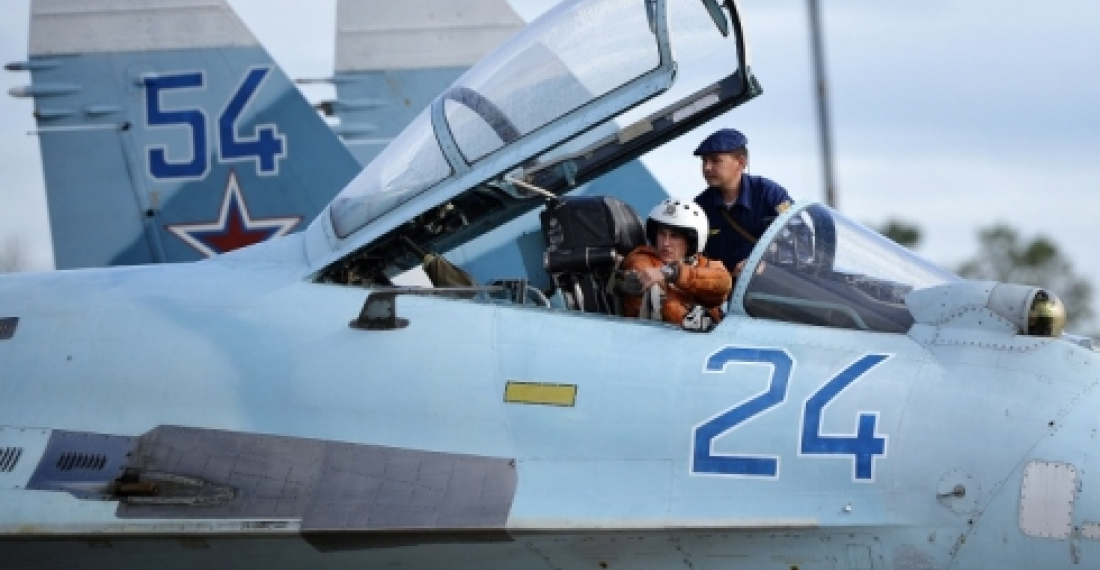
Самолеты МиГ-31, Су-27, Су-24 и военно-транспортные самолеты Ан-12 и Ан-26 Западного военного округа, авиация командования ВВС и ПВО осуществляет рассредоточение самолетов и вертолетов (Су-27, Су-24М, Ми-8АМТШ, Ми-24) на запасные аэродромы.

"Три корабельные группировки надводных кораблей вышли в Баренцево море для выполнения поставленных задач".

Как сообщил журналистам представитель управления пресс-службы и информации Минобороны РФ, три корабельные группировки этим утром вышли из Кольского залива в ходе внезапной проверки боеготовности Северного флота.

Экипажи североморцев на надводных кораблях вместе с летчиками будут искать во вторник в Баренцевом море подводные лодки условного противника.

По сообщениям ТАСС, "всего к проверке привлекаются около 38 тысяч личного состава Вооруженных Сил РФ, 3360 единиц военной техники, 41 корабль, 15 подлодок, 110 самолетов и вертолетов", - отмечается в сообщении.

источник: commonspace.eu по материалам ИТАР-ТАСС
Related articles

Editor's choice
News
The British prime minister says Europe must "stand on its own two feet" when it comes to defence

The British prime minister says Europe must "stand on its own two feet" when it comes to defence

The UK will deploy a carrier strike group, led by the aircraft carrier HMS Prince of Wales to the Arctic and the High North as part of efforts to bolster security against Russian threats. British prime minister, Sir Keir Starmer announced the deployment in a speech on Saturday (14 February) at the Munich Security Conference. Europe must be ready to fight to protect its people, values, and way of life,  Sir Keir told the Conference. Starmer also called for deeper links and cooperation, including economic ties, between the UK and EU. The PM stressed the continent must "stand on its own two feet" when it comes to defence commitments. "We must build our hard power, because that is the currency of the age," he told the conference. (Click image to read the full story).

Popular

Editor's choice
Interview
Thursday Interview: Murad Muradov

Thursday Interview: Murad Muradov

Today, commonspace.eu starts a new regular weekly series. THURSDAY INTERVIEW, conducted by Lauri Nikulainen, will host  persons who are thinkers, opinion shapers, and implementors in their countries and spheres. We start the series with an interview with Murad Muradov, a leading person in Azerbaijan's think tank community. He is also the first co-chair of the Action Committee for a new Armenian-Azerbaijani Dialogue. Last September he made history by being the first Azerbaijani civil society activist to visit Armenia after the 44 day war, and the start of the peace process. Speaking about this visit Murad Muradov said: "My experience was largely positive. My negative expectations luckily didn’t play out. The discussions were respectful, the panel format bringing together experts from Armenia, Azerbaijan, and Turkey was particularly valuable during the NATO Rose-Roth Seminar in Yerevan, and media coverage, while varied in tone, remained largely constructive. Some media outlets though attempted to represent me as more of a government mouthpiece than an independent expert, which was totally misleading.  Overall, I see these initiatives as important steps in rebuilding trust and normalising professional engagement. The fact that soon a larger Azerbaijani civil society visits to Armenia followed, reinforces the sense that this process is moving in the right direction." (click the image to read the interview in full)