


Путин говорит об "управляемом хаосе" на границе с Россий
В статье, опубликованной сегодня утром в "Российской Газете", и, вероятно, она будет процитирована ещё много раз в ближайшие годы, премьер-министр России Владимир Путин пишет статью, как часть его предвыборной кампании на пост президента России, о росте региональных и местных конфликтов, появлении зон нестабильности и "искусственном топливе, управляемого хаоса". "/прослеживаются целенаправленные попытки спровоцировать такие конфликты в непосредственной близости от границ России и наших союзников.", говорит Путин. "Мы видим, как девальвировались и разрушались базовые принципы международного права. Особенно в сфере международной безопасности.", отметил он.

"Россия в этих условиях не может полагаться только на дипломатические и экономические методы снятия противоречий и разрешения конфликтов." "Перед нашей страной стоит задача развития военного потенциала в рамках стратегии сдерживания и на уровне оборонной достаточности. А Вооруженные Силы, спецслужбы и другие силовые структуры должны быть подготовлены к быстрому и эффективному реагированию на новые вызовы.", говорит премьер.

"Это необходимое условие для того, чтобы Россия чувствовала себя в безопасности, а аргументы нашей страны воспринимались партнёрами в различных международных форматах.", указывает премьер-министр.

"Совместно с нашими союзниками мы также должны укреплять возможности Организации Договора о коллективной безопасности. Включая Коллективные силы оперативного реагирования. ОДКБ готова выполнить свою миссию гаранта стабильности на евразийском пространстве.", говорит премьер-министр. Таким образом, Путин заключил: "Важнейшим приоритетом государственной политики России на перспективу останутся вопросы обеспечения динамичного развития Вооруженных Сил, атомной и космической промышленности, ОПК, военного образования, фундаментальной военной науки и прикладных исследовательских программ."

Политический редактор Commonspace.eu в своем комментарии пишет, что "статья Путина может быть охарактеризована, как предвыборная риторика и часть стратегии Кремля, чтобы не оставлять пространство для более активной и громкой оппозиции использовать повышенные националистические настроения в России. Путина следует рассматривать, как наиболее патриотичного кандидата на этих выборах. Однако статья в "Российской Газете" также отражает паранойю, которая является непременной чертой мышления российского чиновника. Статья не несёт в себе ничего такого, чтобы убедить соседей России в благих намерениях России и только сыграет на руку тем, кто постоянно изображает Россию, как "врага". Статья Путина, которая скорее всего будет цитироваться иностранными политическими аналитиками в течение длительного времени, может стать опасной самореализацией."

Источник: commonspace.eu по материалам ИТАР-ТАСС

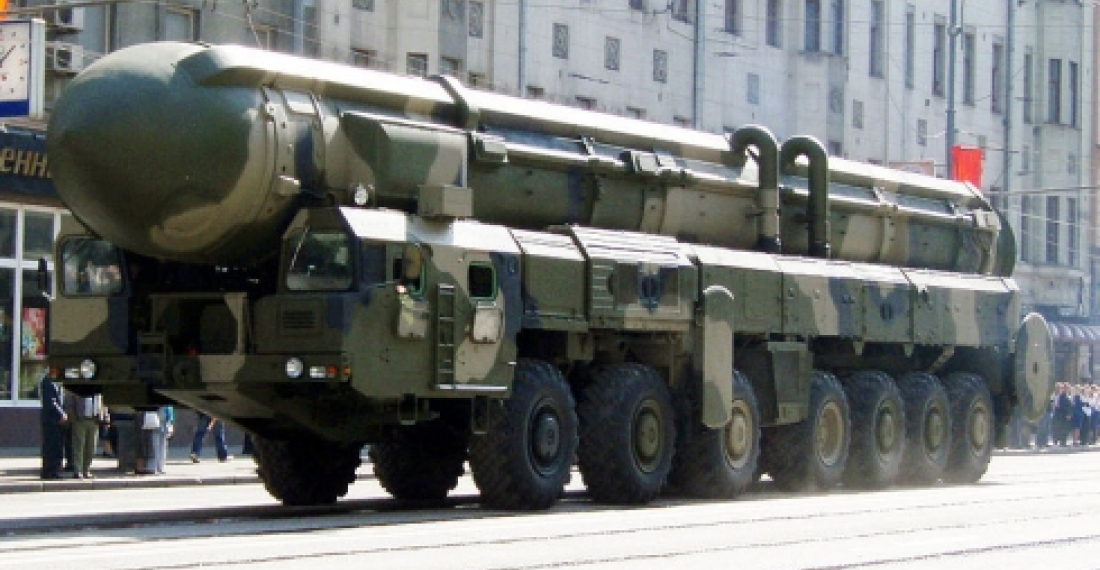
Фото: Российская СС 25 является мобильной межконтинентальной баллистической ракетой, разработанной в Советском Союзе и находящаяся на службе в Ракетных войсках стратегического назначения (на параде в Москве в 2008 году, фото из архива)

Related articles

Editor's choice
News
Borrell tells the European Parliament that the situation in Afghanistan was critical, but the EU will remain engaged

Borrell tells the European Parliament that the situation in Afghanistan was critical, but the EU will remain engaged

Borrell underlined that the European Union will make every effort to support the peace process and to remain a committed partner to the Afghan people. "Of course, we will have to take into account the evolving situation, but disengagement is not an option.  We are clear on that: there is no alternative to a negotiated political settlement, through inclusive peace talks.
Editor's choice
News
Germany accuses Russia of cyberattacks and disinformation campaign

Germany accuses Russia of cyberattacks and disinformation campaign

The German government holds Russia responsible for a cyberattack on German air traffic control, and for targeted disinformation campaigns before the last federal election. According to the German Foreign Office in Berlin, the incidents could be clearly attributed to the Russian military intelligence service, the GRU. In response, the Russian ambassador to Berlin was summoned to the Foreign Ministry. "We have been observing a massive increase in threatening hybrid activities by Russia for some time now," a spokesperson for the Foreign Ministry stated. These range from disinformation campaigns and espionage to cyberattacks and sabotage attempts. The aim is to divide society, sow distrust, and undermine confidence in democratic institutions. The spokesperson added that with these actions, Russia is "very concretely threatening our security, not only through its war of aggression against Ukraine, but also here in Germany."  The Foreign Ministry spokesperson explained that the cyberattack on air traffic control in August 2024 was clearly attributed to the hacker collective "APT28," known as "Fancy Bear," and to the responsibility of the Russian military intelligence service, the GRU. Furthermore, it could now be "conclusively stated" that Russia had attempted "to influence and destabilize both the last Federal election and the ongoing internal affairs of the Federal Republic of Germany." There was "absolutely irrefutable evidence" for this". The so-called "Storm 1516" campaign, which has been running since 2024, is allegedly backed by "reliable information" that the Moscow-based think tank "Center for Geopolitical Expertise" is behind it. The Center is also said to be supported by Russian military intelligence. Its primary aim is to influence democratic elections in the West. (Click the image to read more).

Popular

Editor's choice
News
Germany accuses Russia of cyberattacks and disinformation campaign

Germany accuses Russia of cyberattacks and disinformation campaign

The German government holds Russia responsible for a cyberattack on German air traffic control, and for targeted disinformation campaigns before the last federal election. According to the German Foreign Office in Berlin, the incidents could be clearly attributed to the Russian military intelligence service, the GRU. In response, the Russian ambassador to Berlin was summoned to the Foreign Ministry. "We have been observing a massive increase in threatening hybrid activities by Russia for some time now," a spokesperson for the Foreign Ministry stated. These range from disinformation campaigns and espionage to cyberattacks and sabotage attempts. The aim is to divide society, sow distrust, and undermine confidence in democratic institutions. The spokesperson added that with these actions, Russia is "very concretely threatening our security, not only through its war of aggression against Ukraine, but also here in Germany."  The Foreign Ministry spokesperson explained that the cyberattack on air traffic control in August 2024 was clearly attributed to the hacker collective "APT28," known as "Fancy Bear," and to the responsibility of the Russian military intelligence service, the GRU. Furthermore, it could now be "conclusively stated" that Russia had attempted "to influence and destabilize both the last Federal election and the ongoing internal affairs of the Federal Republic of Germany." There was "absolutely irrefutable evidence" for this". The so-called "Storm 1516" campaign, which has been running since 2024, is allegedly backed by "reliable information" that the Moscow-based think tank "Center for Geopolitical Expertise" is behind it. The Center is also said to be supported by Russian military intelligence. Its primary aim is to influence democratic elections in the West. (Click the image to read more).



