


АРМЕНИЯ-США-ПУБЛИКАЦИИ

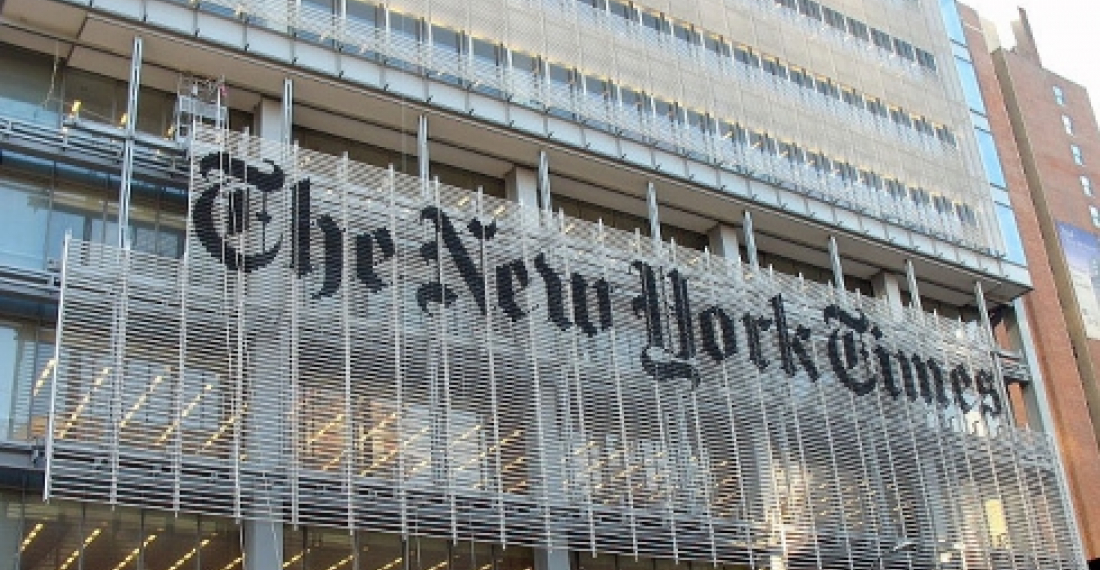
Армяне со всего мира воссоединились посредством социальной сети Facebook для освящения истинных происшествий в Нагорном Карабахе в начале 90х гг. , после опубликования в New York Times статьи от 31 мая “Замороженный конфликт между Арменией и Азербайджаном начинает “кипеть”” (‘Frozen ConflictBetween Azerbaijan and Armenia Begins to Boil) о нагорно-карабахском конфликте.

Проблема заключается в том, что автор статьи Эллен Барри представила историю возникновения конфликта, принимая во внимание азербайджанские данные, согласно которым армянская сторона выставляется агрессором и инициатором войны. Подобное искажение действительности вызвало волну негодования среди армян, которые обратились к редакторам всемирно известной газеты, с просьбой более тщательно изучить события и сопоставления всех фактов по данному вопросу.

“Автор указывает о войне развязавшейся по инициативе армян, однако не указывает, что именно Азербайджан начал военные действия, организовав бомбежки на территории Карабаха. Автор упустила из виду нарушения прав человека относительно своих же граждан: населения Карабаха со стороны азербайджанских властей. Мисс Барри также не говорит о множестве попыток мирного урегулирования конфликта посредством референдума, предложенных МГ ОБСЕ, которые были провалены усилиями азербайджанской стороны. Азербайджан ведет политику пропаганды реваншизма среди своего населения, что является одним из препятствий достижения решения проблемы.

В конце, хотелось выразить надежду, что репутация столь значимой газеты не будет очернена посредством нефте-долларовой политики Азербайджанского PR-а” , - говориться в одном из писем, отправленных редактору газеты Биллу Келлеру.

The New York Times третья по популярности (после The Wall Street Journal и USA Today) газета США основанная 18 сентября 1851 года журналистом и политиком Генри Джарвисом Рэймондом, вторым председателем Республиканского Национального Комитета, и бывшим банкиром Джорджем Джонсо.
 

Related articles

Editor's choice
News
Armenia-Azerbaijan Strategic Expert Platform: Members emphasise the importance of the present moment for the South Caucasus and call for the momentum to be used for the long-term peace and prosperity of the region

Armenia-Azerbaijan Strategic Expert Platform: Members emphasise the importance of the present moment for the South Caucasus and call for the momentum to be used for the long-term peace and prosperity of the region

On 27 February 2026, the members of the Armenia-Azerbaijan Strategic Expert Platform met in Antwerp, Belgium, to assess developments in the South Caucasus following the initialling of a peace agreement between Armenia and Azerbaijan on 8 August 2025 at the White House. The members described the present moment as one of major importance for the region and its neighbours, urging leaders and societies alike to use the current momentum to secure long-term peace and prosperity. Established in 2024 with the support of LINKS Europe, the Platform provides a space for direct dialogue and joint analysis between Armenian and Azerbaijani experts. The members also reaffirmed the importance of continued international engagement and expressed strong support for LINKS Europe’s ongoing peacebuilding work in the region. (Click on the image above for the full statement.)

Popular

Editor's choice
Interview
Thursday Interview: Murad Muradov

Thursday Interview: Murad Muradov

Today, commonspace.eu starts a new regular weekly series. THURSDAY INTERVIEW, conducted by Lauri Nikulainen, will host  persons who are thinkers, opinion shapers, and implementors in their countries and spheres. We start the series with an interview with Murad Muradov, a leading person in Azerbaijan's think tank community. He is also the first co-chair of the Action Committee for a new Armenian-Azerbaijani Dialogue. Last September he made history by being the first Azerbaijani civil society activist to visit Armenia after the 44 day war, and the start of the peace process. Speaking about this visit Murad Muradov said: "My experience was largely positive. My negative expectations luckily didn’t play out. The discussions were respectful, the panel format bringing together experts from Armenia, Azerbaijan, and Turkey was particularly valuable during the NATO Rose-Roth Seminar in Yerevan, and media coverage, while varied in tone, remained largely constructive. Some media outlets though attempted to represent me as more of a government mouthpiece than an independent expert, which was totally misleading.  Overall, I see these initiatives as important steps in rebuilding trust and normalising professional engagement. The fact that soon a larger Azerbaijani civil society visits to Armenia followed, reinforces the sense that this process is moving in the right direction." (click the image to read the interview in full)

