


Проект по снабжению питьевой водой и обеспечению экономической безопасности бедных семей на линии конфликта вокруг Карабаха

Координатор Международного Комитета Красного Креста (ICRC) в Азербайджане, Сильви Гренишер, сказала во время общения с журналистами в Баку, что ICRC в настоящее время осуществляет совместный проект с Британским Красным Крестом в поддержку общин, проживающих на линии конфликта.

По словам чиновника, этот проект реализуется в семи общинах Агдамского, Физулинского и Тертерского района. Целью данного проекта является поддержка гарантий экономической безопасности бедных семей, проживающих в этих селах. Проект реализуется под эгидой местных ведомств Азербайджанским обществом Красного Полумесяца. Ведется работа по совершенствованию систем водопользования населением, проживающего на этих территориях. Этот проект будет продлен и в следующем году для помощи другим общинам.

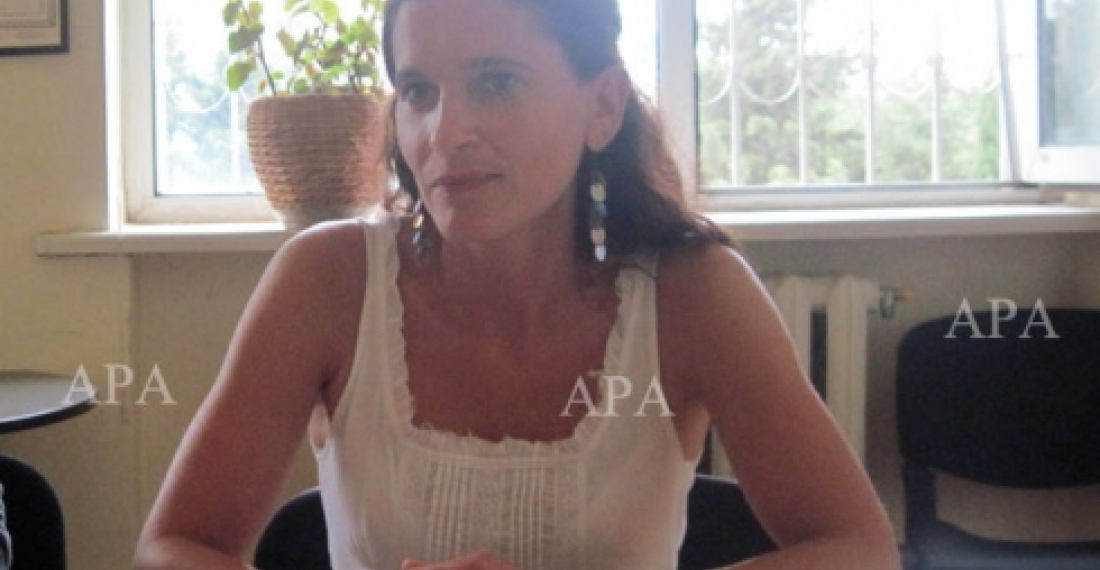
Фото: Координатор Международного Комитета Красного Креста (ICRC) в Азербайджане, Сильви Гренишер.

Источник: АРА

Related articles

Popular

Editor's choice
Interview
Thursday Interview: Murad Muradov

Thursday Interview: Murad Muradov

Today, commonspace.eu starts a new regular weekly series. THURSDAY INTERVIEW, conducted by Lauri Nikulainen, will host  persons who are thinkers, opinion shapers, and implementors in their countries and spheres. We start the series with an interview with Murad Muradov, a leading person in Azerbaijan's think tank community. He is also the first co-chair of the Action Committee for a new Armenian-Azerbaijani Dialogue. Last September he made history by being the first Azerbaijani civil society activist to visit Armenia after the 44 day war, and the start of the peace process. Speaking about this visit Murad Muradov said: "My experience was largely positive. My negative expectations luckily didn’t play out. The discussions were respectful, the panel format bringing together experts from Armenia, Azerbaijan, and Turkey was particularly valuable during the NATO Rose-Roth Seminar in Yerevan, and media coverage, while varied in tone, remained largely constructive. Some media outlets though attempted to represent me as more of a government mouthpiece than an independent expert, which was totally misleading.  Overall, I see these initiatives as important steps in rebuilding trust and normalising professional engagement. The fact that soon a larger Azerbaijani civil society visits to Armenia followed, reinforces the sense that this process is moving in the right direction." (click the image to read the interview in full)


