Председатель ОБСЕ решительно осуждает насилие в Карабахе

Действующий председатель ОБСЕ, министр иностранных дел Сербии Ивица Дачич, сегодня в Нью-Йорке встретился с сопредседателями Минской группы ОБСЕ (послы Игорь Попов от Российской Федерации, Джеймс Уорлик от Соединенных Штатов Америки, и Пьер Андрие от Франции), и личным представителем действующего председателя ОБСЕ по вопросам конфликтов, рассматриваемых в рамках Минской конференции ОБСЕ, послом Анджея Каспшиком.

Послы сообщили Дачичу о последних всплесках насилия и о встречах, которые они провели с армянской и азербайджанской стороной. Он решительно осудил недавнее обострение насилия, принес свои соболезнования семьям погибших, и обратился ко всем проявить максимальную сдержанность и двигаться в направлении деэскалации.

Дачич выразил полную поддержку работе Минской группы ОБСЕ и посла Каспршика, и вновь поддержал призыв к продвижению переговоров к прочному урегулированию нагорно-карабахского конфликта, а также призвал к реализации мер по укреплению доверия.

Проведение очередной встречи президентов, о чем уже говорилось, будет хорошим шагом в этом направлении, сказал Дачич.

источник: commonspace.eu по материалам osce.org

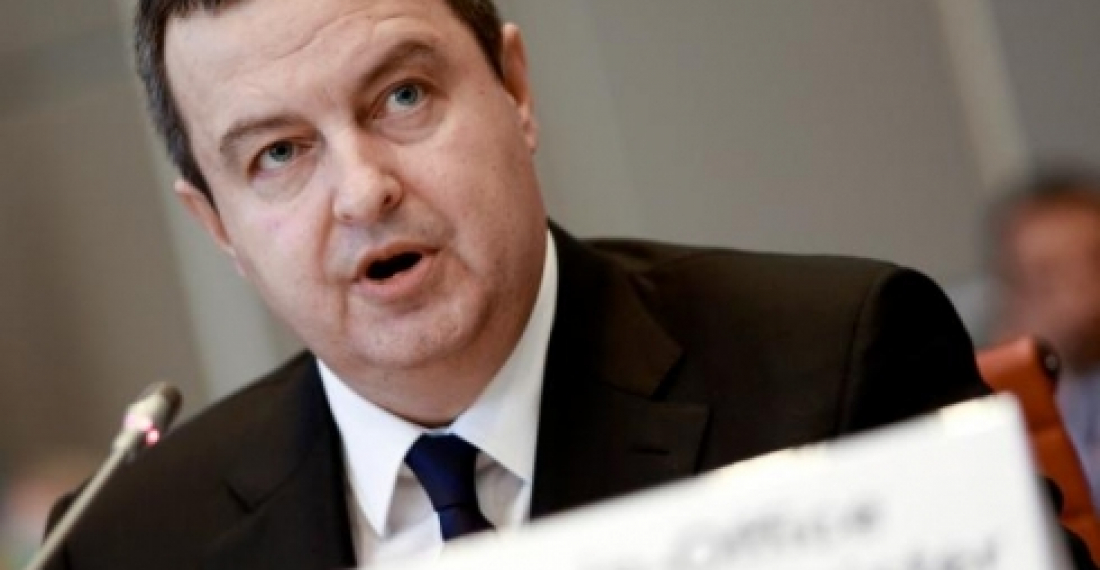
фото: председатель ОБСЕ, министр иностранных дел Сербии Ивица Дачич (фото из архива).
 

Related articles

Popular

Editor's choice
Interview
Thursday Interview: Murad Muradov

Thursday Interview: Murad Muradov

Today, commonspace.eu starts a new regular weekly series. THURSDAY INTERVIEW, conducted by Lauri Nikulainen, will host  persons who are thinkers, opinion shapers, and implementors in their countries and spheres. We start the series with an interview with Murad Muradov, a leading person in Azerbaijan's think tank community. He is also the first co-chair of the Action Committee for a new Armenian-Azerbaijani Dialogue. Last September he made history by being the first Azerbaijani civil society activist to visit Armenia after the 44 day war, and the start of the peace process. Speaking about this visit Murad Muradov said: "My experience was largely positive. My negative expectations luckily didn’t play out. The discussions were respectful, the panel format bringing together experts from Armenia, Azerbaijan, and Turkey was particularly valuable during the NATO Rose-Roth Seminar in Yerevan, and media coverage, while varied in tone, remained largely constructive. Some media outlets though attempted to represent me as more of a government mouthpiece than an independent expert, which was totally misleading.  Overall, I see these initiatives as important steps in rebuilding trust and normalising professional engagement. The fact that soon a larger Azerbaijani civil society visits to Armenia followed, reinforces the sense that this process is moving in the right direction." (click the image to read the interview in full)