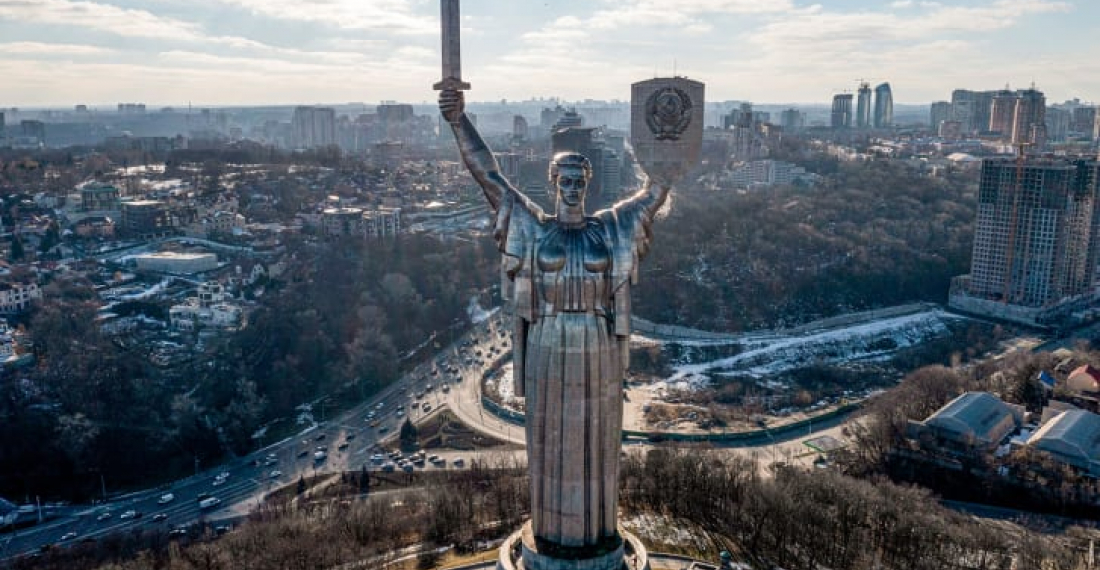
Russia launched one of its largest ballistic missile attacks of the war overnight into July 20, firing 41 missiles and 125 drones across Ukraine, with the capital Kyiv as the primary target. Ukrainian authorities said the assault killed at least six people nationwide and wounded dozens, while renewing calls for additional Western air defence systems and tougher sanctions against Moscow.
According to Ukraine's Air Force, Russia launched 25 ballistic missiles at Kyiv alone, of which 17 were intercepted. Overall, Ukrainian air defences destroyed 18 of the 41 missiles. President Volodymyr Zelenskyy described the strike as one of the largest ballistic attacks on the capital since the start of Russia's full-scale invasion, stating that more than 40 missiles of various types and 120 attack drones had been launched overnight.
The bombardment caused widespread damage across Kyiv, with strikes affecting six of the city's ten districts. Fires broke out in residential buildings, a dormitory, and a supermarket, with vehicles also catching flame, said Kyiv Mayor Vitali Klitschko. Rescue teams were called to evacuate residents from burning apartment blocks. Additional Russian strikes later in the day hit Kharkiv, Sumy and Kherson, causing further deaths and injuries.
Russia's Defence Ministry said its forces had targeted defence industry facilities, logistics centres and military-linked infrastructure in Kyiv and the Black Sea port of Odesa. Ukrainian officials, meanwhile, accused Russia of striking a civilian cargo vessel flying the flag of Guinea-Bissau near Odesa with cruise missiles, killing at least five crew members and leaving five others missing.
Ukraine also continued its campaign against Russian energy infrastructure. Zelenskyy said Ukrainian forces struck three oil depots in Russia's Stavropol region and targeted three tankers linked to Russia's so-called shadow fleet in the Black Sea, as Kyiv seeks to disrupt the infrastructure supporting Moscow's war effort.
The latest attack underscores Ukraine's growing shortage of Patriot interceptor missiles, regarded as the country's most effective defence against ballistic threats. In a statement following the attack, Zelenskyy said protection against ballistic missiles remained Ukraine's "constant and top priority," adding that "interceptors are needed every day." Acting Foreign Minister Andrii Sybiha similarly called for increased military support and urged the European Union to approve its 21st sanctions package against Russia without further delay, saying there "can be no pauses in increasing sanctions and isolation of Russia." The package, currently withheld by vetoes from Austria and Greece, would blacklist around 250 additional individuals linked to Russia's war effort, impose sanctions on more banks, and target further vessels involved in transporting Russian oil through the so-called shadow fleet. It would also preserve the EU's pressure on Russia's energy revenues by maintaining a lower price cap on Russian crude oil.
Source: commonspace.eu with Politico.eu (Brussels), and Le Progrès (Lyon).