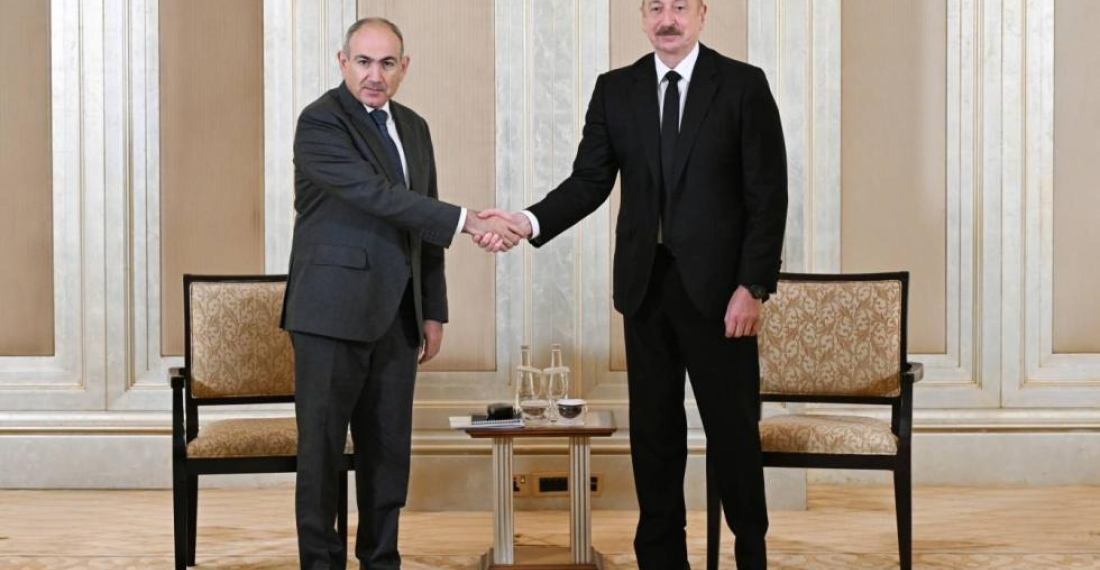
Since the initialling of the peace agreement in Washington in August 2025, Armenia and Azerbaijan have taken important steps towards peace. Meetings on border delimitation were held in Gabala in November 2025 and Aghveran in April 2026 between Armenia’s Mher Grigoryan and Azerbaijan’s Shahin Mustafayev. Civil society engagement has also advanced through the Peace Bridge initiative, launched in November 2025 with the support of both governments, which has facilitated direct and cross-border dialogue between Armenian and Azerbaijani representatives. While this remains a government-run initiative, it is important and praiseworthy. At the European Political Community Summit in Yerevan on 4 May, Prime Minister Nikol Pashinyan and President Ilham Aliyev welcomed the progress made and reiterated their commitment to the peace process.
There has also been progress on TRIPP, one of the core elements of the peace agreement. TRIPP, the Trump Route for International Peace and Prosperity, is a proposed transport and connectivity route through Armenia linking Azerbaijan with Nakhchivan, intended to support regional trade, transit and normalisation while respecting Armenia’s sovereignty. Despite the crisis in the Middle East and Iran’s concerns regarding American support for the project, Armenia and the United States signed the Framework Agreement on Strategic Cooperation Concerning TRIPP in June 2026 to support its implementation.
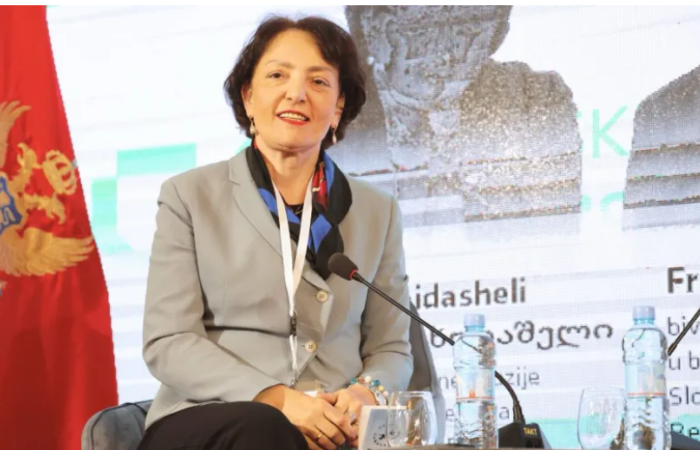
These are all good signs; however, the Armenian parliamentary elections created a period of caution, as Baku appeared to wait to see whether the political conditions in Yerevan would allow the peace process to move forward. The vote took place on 7 June, and according to the final results published by Armenia’s Central Electoral Commission on 14 June, the Civil Contract Party received 49.7456% of the vote, giving it enough support to form a government on its own. Prime Minister Nikol Pashinyan’s victory is therefore significant for the Armenia–Azerbaijan peace process. According to Eleonora Sargsyan, who argued during a LINKS Europe webinar that despite war, displacement, the loss of Nagorno-Karabakh, and significant foreign interference, a large part of Armenian society again backed the political force most closely associated with peace and normalisation with Azerbaijan.
While many Armenians voted for the Civil Contract Party, Eleonora Sargsyan argued that the result should not be romanticised. Many voters remain critical of Pashinyan and his government, but recognise that Civil Contract remains the political force most likely to maintain Armenia’s current course towards peace.
At the same time, Civil Contract’s victory does not remove all obstacles. The party can form a government on its own, but it does not have a constitutional majority. To secure such a majority, Pashinyan would need two-thirds of the seats in parliament. This matters because constitutional change, particularly regarding references to Karabakh, remains one of Azerbaijan’s key preconditions for signing the peace treaty.
In Azerbaijan, they would like the question of the Armenian constitution to be resolved sooner rather than later. However, according to Alper Coşkun and Garo Paylan in an article for Carnegie Endowment, “this should not become an excuse for delay for either side”. The fact that Civil Contract does not have a constitutional majority makes it even more important to create a visible peace dividend. If the peace process stalls, spoilers will gain ground. However, if peace brings real benefits, such as open borders, trade, investment, energy links, and new economic opportunities, it can help build public support for a lasting settlement. Therefore, the momentum for peace must not be allowed to stall. It should be accelerated through practical steps that make peace visible and beneficial to the wider public in both Armenia and Azerbaijan.
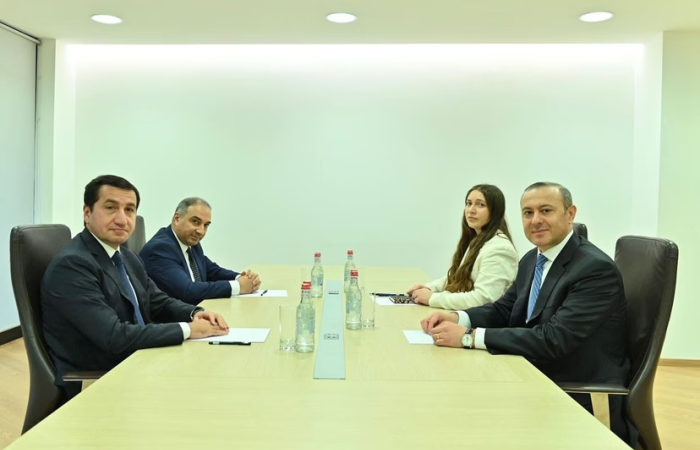
The latest meeting on Sunday (14 June) of the Azerbaijani presidential aide Hikmet Hajiyev and Secretary of the Armenian Security Council Armen Grigoryan in Dilijan is a step in the right direction. It showed that direct bilateral dialogue is continuing after the Armenian elections and that both sides remain committed to peace. However, peace discussions need to be opened up to the wider circles of both societies. Sustainable peace requires engaging with all the members of society: vulnerable groups, displaced communities, and youth are just a few of the groups that have so far been excluded.
Youth are an especially important group in this process, as many young Armenians and Azerbaijanis have only lived during a period of conflict. Older generations, by contrast, still remember a time under the Soviet Union when relations between Armenians and Azerbaijanis were more peaceful, with neighbourly ties, shared communities and even intermarriages. Younger generations are often more critical of peace and normalisation, partly because they have grown up with war, displacement and hostile narratives rather than direct contact with the other side. This makes youth engagement essential.
International partners are in a strong position to support this wider engagement and help ensure that peace delivers dividends for the wider society, not only for a few.
The work of organisations like LINKS Europe, to engage different segments of society in Armenia and Azerbaijan is a sustained dialogue on future relations needs to be intensified.
The momentum for peace in the South Caucasus must not be lost; it must be protected, widened, and accelerated.
Source: This briefing was prepared by the editorial team of commonspace.eu