Preliminary data from the Kazakhstan Bureau of National Statistics show that Kazakhstan’s gross domestic product grew by 6.5% in January–December 2025 compared to the same period last year,
The Government is implementing a set of systemic measures aimed at diversifying the economy. Over the past year, industry, transport, construction, and trade were the main drivers of economic growth.
The industrial production index reached 7.4% over the year, with the manufacturing sector showing steady growth of 6.4%, driven by gains in food production (+8.1%), oil refining (+5.9%), chemical products (+9.8%), metallurgy (+1.2%), and machinery manufacturing (+12.9%).
Economic growth was reported across most regions of the country, including Aktobe, Almaty, Atyrau, West Kazakhstan, Zhambyl, Karaganda, Kostanay, Mangistau, Pavlodar, North Kazakhstan, and Turkistan, as well as in the Zhetysu and Ulytau regions and the cities of Astana, Almaty, and Shymkent.
The transport and warehousing sector expanded by 20.4% by yearend, up from 20.3% in January–November, driven by increased freight volumes—particularly by road and rail—and stronger passenger traffic in several regions. Additional growth came from auxiliary transport services, including freight forwarding, air traffic management, airport operations, warehousing, and the storage of grain and refrigerated cargo.
Growth in the construction sector reached 15.9%, exceeding the January–November 2025 figure of 14.7%. This expansion was supported by the implementation of infrastructure and social projects, including the construction of modern schools, healthcare facilities, and transport and engineering infrastructure. In January–December 2025, the total area of housing commissioned reached 20.1 million square meters, 5.1% higher than in 2024.
Positive momentum continued in the trade sector, which grew by 8.9% in January–December 2025 (8.8% in January–November). Wholesale trade was the main driver, accounting for more than two-thirds of the sector’s total volume. Growth in wholesale trade was supported by higher sales of grain, seeds, and animal feed (a 2.6-fold increase), machinery and equipment (+99.8%), pharmaceutical products (+44.1%), cars and light motor vehicles (+33%), dairy products, eggs, edible oils and fats (+25.8%), sugar, chocolate, and sugar confectionery (+21.2%), as well as a broad range of consumer goods (+12.5%).
Output in agriculture, forestry, and fisheries increased by 5.9%, supported by positive dynamics in crop production (+7.8%) and livestock farming (+3.3%).
The information and communications sector recorded growth of 3.6%.
Overall, the pace of economic development reflects the stable growth of key sectors.
source: commonspace.eu with Qazinform News Agency (Astana)
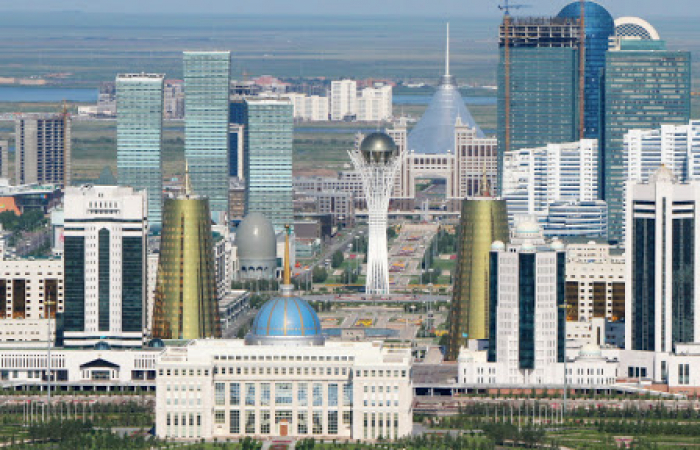
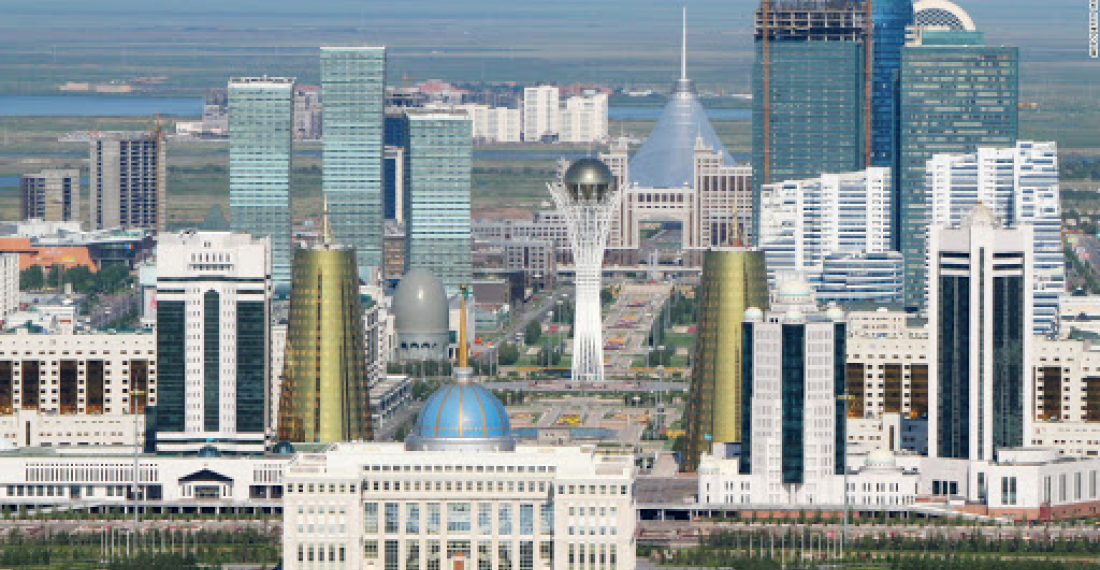
photo: Astana (archive picture)