


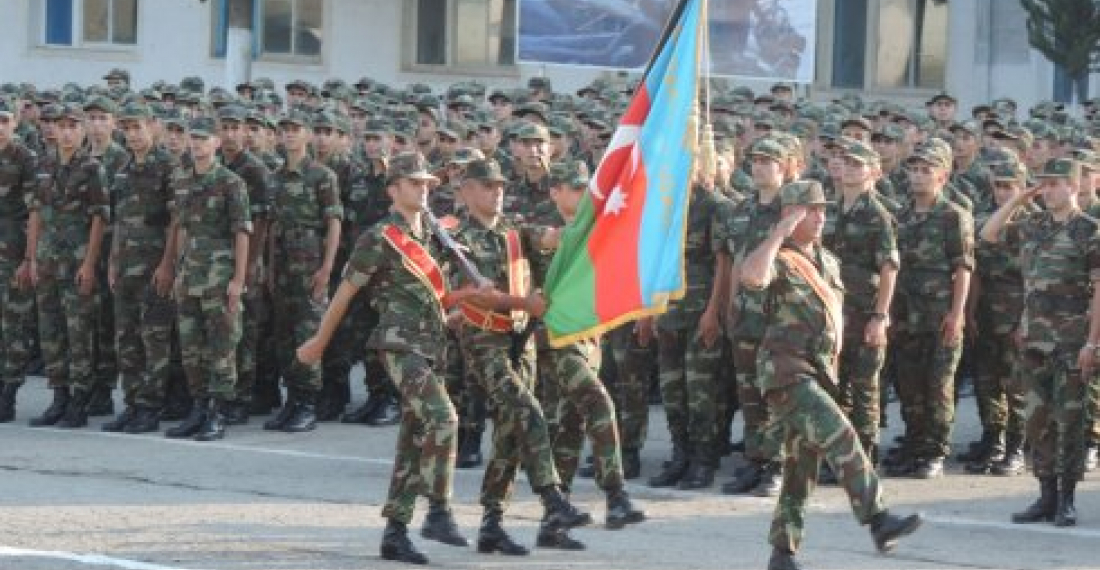
CDSI: Азербайджан с 1994 года потерял 4000 военнослужащих

Азербайджанская неправительственная организация, базирующаяся в Германии, опубликовал статистические данные о потерях в азербайджанской армии за последние два десятилетия.

Как сообщает Прикаспийский институт оборонных исследований (CDSI), цифры в исследовании, основаны на результатах мониторинга отчетов официальных органов, средств массовой информации и социальных сетей в Интернете.

CDSI сообщает, что в период 2003-2016 вооруженные силы Азербайджана потеряли по меньшей мере 1,044 солдата. Из них 365 "были убиты армянскими пулями и снарядами", а 679 человек погибли в небоевых условиях.

За тот же период более 800 солдат были ранены или получили ранения.

НПО сообщает, что, по приблизительным данным, с мая 1994 года, когда в силу вступило соглашение о прекращении огня с Арменией, общие потери в сфере обороны и безопасности Азербайджана составили более 4000 человек.

Прикаспийский институт оборонных исследований также сообщает о том, что в 2016 году Азербайджан потерял 147 солдат, а Армения - 165. Большинство из них погибли во время тяжелой боевых столкновений между армянскими и азербайджанскими силами в зоне карабахского конфликта в апреле 2016 года.

По официальным данным, потери с азербайджанской стороны составили 92 человека, а потери с армянской - 77 человек. Но вместе с тем в докладе отмечается, что, вероятно, потери с обеих сторон были больше.

В 2016 году Азербайджан потерял 147 военнослужащих, в том числе 109 в боевых условиях и 38 в небоевых условиях. Среди небоевых потерь: 4 военнослужащих погибли в дорожно-транспортных происшествиях, 10 покончили жизнь самоубийством, 5 погибли в результате болезни, 3 умерли в результате действий, совершенных по неосторожности, и 3 умерли по неизвестным причинам. 33 погибших являлись офицерами.

НПО также сообщает о том, что в прошлом году было убито 18 гражданских лиц и еще 26 получили ранения в результате конфликта.

Потери Армении составили 165 военнослужащих, в том числе 112 в боевых условиях и 53 в небоевых. Среди небоевых потерь: 13 человек погибли в результате дорожно-транспортных происшествий, 12 совершили самоубийство, 22 были убиты своими сослуживцами, 4 умерли в результате несчастных случаев (поражение электрическим током или при неизвестных обстоятельствах) и 2 умерли в результате болезней.

Вооруженные силы Армении потерял 27 офицеров.

В 2016 году на линии фронта были убиты около 20 армянских добровольцев и еще 15 получили ранения.

Грузинские вооруженные силы потеряли 6 человек. Один из них умер от вируса H1N1, 3 умерли в результате различных несчастных случаев и 2 погибли в дорожно-транспортных происшествиях. Один из погибших был майором, а остальные рядовыми солдатами. Все они являлись военнослужащими Министерства обороны.

CDSI было создано в Германии азербайджанским экспертом Джасуром Сумеринли в 2014 году.

источник: commonspace.eu по материалам CDSI

фот: Военный парад в Азербайджане (фото из архива).

Related articles

Editor's choice
News
Key European countries back Denmark in the face of Trump's continuing insistence on taking over Greenland

Key European countries back Denmark in the face of Trump's continuing insistence on taking over Greenland

 Six major European countries have declared their support to Denmark following renewed insistence by the US that it must have control over Greenland. "Greenland belongs to its people, and only Denmark and Greenland can decide on matters concerning their relations," said the leaders of the UK, France, Germany, Italy, Poland, and Spain, in a joint statement, issued on Tuesday (6 January), together with Denmark. On Sunday, Donald Trump said the US "needed" Greenland - a semi-autonomous region of fellow Nato member Denmark - for security reasons. He has refused to rule out the use of force to take control of the territory, and Danish Prime Minister Mette Frederiksen warned on Monday that an attack by the US would spell the end of Nato. The issue of Greenland's future resurfaced in the wake of the US military intervention in Venezuela, during which elite troops went in to seize the country's President Nicolás Maduro and take him to face drugs and weapons charges in New York. Following the raid, Trump said the US would "run" Venezuela for an unspecified period of time. He also said the US was returning to an 1823 policy of US supremacy in its sphere of influence in the Western hemisphere - and he warned a number of countries the US could turn its attention to them. The US military raid in Venezuela has reignited fears that the US may consider using force to secure control of Greenland. A day after the raid, Katie Miller - the wife of one of Trump's senior aides - posted on social media a map of Greenland in the colours of the American flag, alongside the word "SOON". On Monday, her husband Stephen Miller said it was "the formal position of the US government that Greenland should be part of the US". In an interview with CNN, he also said the US "is the power of Nato. For the US to secure the Arctic region, to protect and defend Nato and Nato interests, obviously Greenland should be part of the US." Asked repeatedly whether the US would rule out using force to annex it, Miller responded: "Nobody's going to fight the US over the future of Greenland." Stressing they were as keen as the US in Arctic security, the seven European signatories of Tuesday's joint statement said this must be achieved by Nato allies, including the US "collectively" - whilst "upholding the principles of the UN Charter, including sovereignty, territorial integrity and the inviolability of borders". Greenland's Prime Minister Jens-Frederik Nielsen welcomed the statement and called for "respectful dialogue". "The dialogue must take place with respect for the fact that Greenland's status is rooted in international law and the principle of territorial integrity," Nielsen said. Trump has claimed that making Greenland part of the US would serve American security interests due to its strategic location and its abundance of minerals critical to high-tech sectors. Greenland, which has a population of 57,000 people, has had extensive self-government since 1979, though defence and foreign policy remain in Danish hands. While most Greenlanders favour eventual independence from Denmark, opinion polls show overwhelming opposition to becoming part of the US.

Popular


