


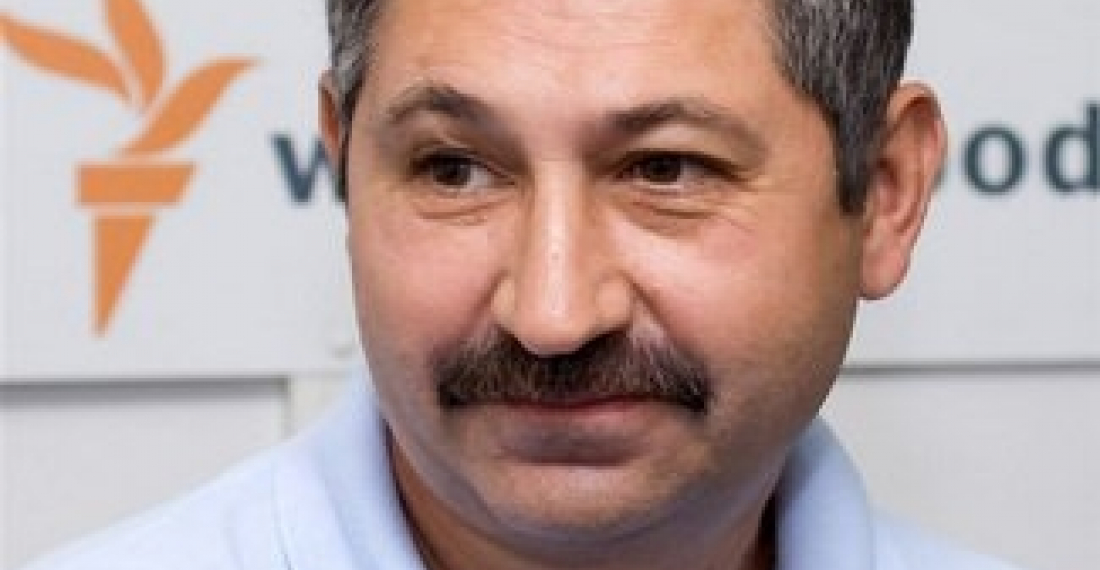
Как военный союз ОДКБ совершенно неэффективен - Военный обозреватель Александр Гольц

БАКУ - 1NEWS.AZ

Главная проблема ОДКБ заключается в том, что это не военный союз, а механическим образом связанные воедино двусторонние отношения между Россией и отдельными государствами.

Как передает 1news.az со ссылкой на «Радио Свобода», об этом заявил военный обозреватель Александр Гольц.

По его словам как военный союз ОДКБ совершенно неэффективен.

«У государств, которые туда входят, разные интересы и разные отношения. Например, у Узбекистана, Таджикистана и Киргизии между собой очень сложные отношения, и им нужен не союз, подобный НАТО, готовый защищать каждую из стран, против которой осуществлено нападение.

Им нужно соглашение типа ОБСЕ, которое давало бы гарантию безопасности каждой из сторон в отношении другой. Сами понимаете, что при всех заявлениях об обеспечении взаимной защиты, трудно представлить белорусских десантников, которые высаживаются где-нибудь в Таджикистане, чтобы обеспечить оборону этой страны»,- отметил он.

Эксперт считает, что в некоторых случаях ОДКБ для России может сыграть чрезвычайно полезную роль.

«Большинство экспертов сходятся в том, что у России будут очень серьезные проблемы безопасности после вывода американских или натовских войск из Афганистана в 2014 году.

Именно поэтому российское руководство продвигает идею коллективных сил оперативного реагирования. Не потому, что России для усиления нужна рота из Таджикистана, а для того, чтобы иметь легальную, юридически чистую основу для вмешательства в конфликт на ранней стадии, что, увы, не исключено.

Ранее такие силы не использовались – здесь есть очень много проблем. Например, Россия, получив просьбу о вмешательстве со стороны правительства Киргизии в прошлом году, эту просьбу проигнорировала под надуманным предлогом.

Причина же крылась в системе формирования российских вооруженных сил. На сегодняшний день в распоряжении президента РФ практически нет боеготовных подразделений, за исключением пяти батальонов ВДВ»,- отметил эксперт.


 

Related articles

Editor's choice
News
Key European countries back Denmark in the face of Trump's continuing insistence on taking over Greenland

Key European countries back Denmark in the face of Trump's continuing insistence on taking over Greenland

 Six major European countries have declared their support to Denmark following renewed insistence by the US that it must have control over Greenland. "Greenland belongs to its people, and only Denmark and Greenland can decide on matters concerning their relations," said the leaders of the UK, France, Germany, Italy, Poland, and Spain, in a joint statement, issued on Tuesday (6 January), together with Denmark. On Sunday, Donald Trump said the US "needed" Greenland - a semi-autonomous region of fellow Nato member Denmark - for security reasons. He has refused to rule out the use of force to take control of the territory, and Danish Prime Minister Mette Frederiksen warned on Monday that an attack by the US would spell the end of Nato. The issue of Greenland's future resurfaced in the wake of the US military intervention in Venezuela, during which elite troops went in to seize the country's President Nicolás Maduro and take him to face drugs and weapons charges in New York. Following the raid, Trump said the US would "run" Venezuela for an unspecified period of time. He also said the US was returning to an 1823 policy of US supremacy in its sphere of influence in the Western hemisphere - and he warned a number of countries the US could turn its attention to them. The US military raid in Venezuela has reignited fears that the US may consider using force to secure control of Greenland. A day after the raid, Katie Miller - the wife of one of Trump's senior aides - posted on social media a map of Greenland in the colours of the American flag, alongside the word "SOON". On Monday, her husband Stephen Miller said it was "the formal position of the US government that Greenland should be part of the US". In an interview with CNN, he also said the US "is the power of Nato. For the US to secure the Arctic region, to protect and defend Nato and Nato interests, obviously Greenland should be part of the US." Asked repeatedly whether the US would rule out using force to annex it, Miller responded: "Nobody's going to fight the US over the future of Greenland." Stressing they were as keen as the US in Arctic security, the seven European signatories of Tuesday's joint statement said this must be achieved by Nato allies, including the US "collectively" - whilst "upholding the principles of the UN Charter, including sovereignty, territorial integrity and the inviolability of borders". Greenland's Prime Minister Jens-Frederik Nielsen welcomed the statement and called for "respectful dialogue". "The dialogue must take place with respect for the fact that Greenland's status is rooted in international law and the principle of territorial integrity," Nielsen said. Trump has claimed that making Greenland part of the US would serve American security interests due to its strategic location and its abundance of minerals critical to high-tech sectors. Greenland, which has a population of 57,000 people, has had extensive self-government since 1979, though defence and foreign policy remain in Danish hands. While most Greenlanders favour eventual independence from Denmark, opinion polls show overwhelming opposition to becoming part of the US.

Popular

