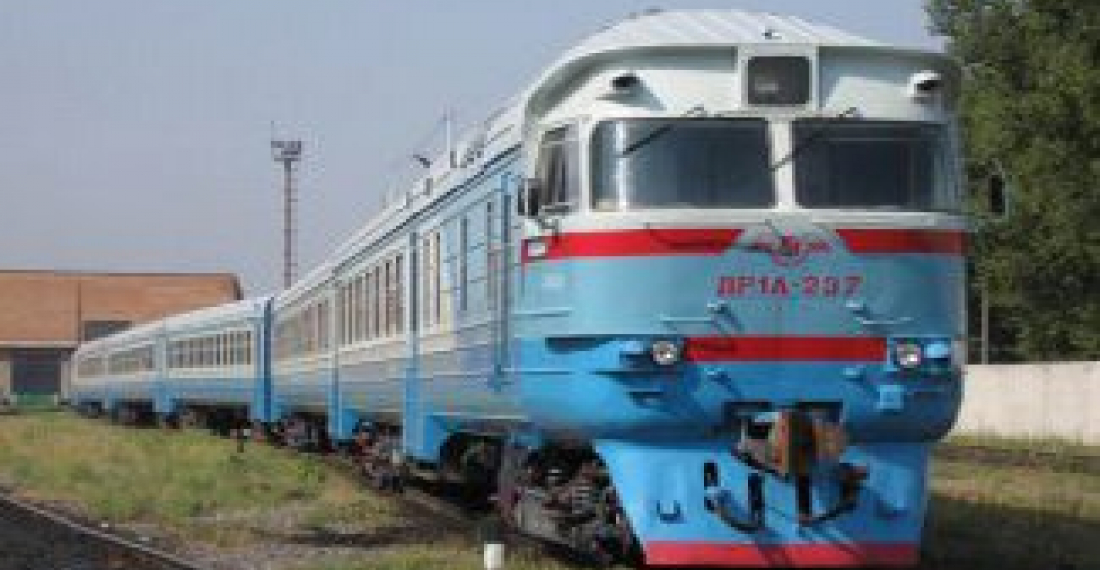
Грузия привлекает Армению к использованию железной дороги Баку-Тбилиси-Карс?

БАКУ, 31 май – 1NEWS.AZ

Армения и Грузия не обуславливали и не будут обуславливать свои двусторонние  отношения взаимоотношениями с третьими странами.

Как передает 1news.az со ссылкой на армянские СМИ, об этом на пресс-конференции заявил посол Грузии в Армении Тенгиз Шарманашвили.

По его словам, Армения и Грузия дружили и развивали свои отношения с давних времен, «когда эти третьи страны как субъекты даже не существовали».

«Если вы внимательно проследите за политикой Грузии, вы заметите, что мы ни друзьям, ни врагам никогда не позволяем диктовать нам политику. Мы открыто заявили, что мы с Арменией друзья и никакая третья страна никогда не повлияет на эти отношения, ни о какой изоляции Армении не может идти речи», - отметил он.

Он отметил, что проект Баку-Тбилиси-Карс, основной целью которого является доставка нефти через территорию Турции в Европу, «перспективный в экономическом отношении проект».

«Однако мы не намерены ставить под вопрос отношения с Арменией из-за этих экономических перспектив», - подчеркнул Шарманашвили, отметив, что Грузия неоднократно доказывала, что  никогда не пойдет на блокаду Армении.

На вопрос о том, сможет ли воспользоваться армянская сторона этим железнодорожным сообщением для осуществления грузоперевозок и пассажироперевозок в Европу, посол ответил утвердительно.

«Нам не могут ставить условий относительно того, как эксплуатировать железную дорогу, которая находится на нашей территории. Это будет экономически открытая дорога, и ею будут пользоваться все экономические субъекты, которые заключат соответствующие договора», - заявил Шарманашвили, добавив, что «если хоть раз допустить, чтобы кто-либо повлиял на твою политику подобным образом, другие страны захотят того же, так что мы этого не допустим».

Эльшан Рустамов, В.Т.
Related articles

Editor's choice
News
The British prime minister says Europe must "stand on its own two feet" when it comes to defence

The British prime minister says Europe must "stand on its own two feet" when it comes to defence

The UK will deploy a carrier strike group, led by the aircraft carrier HMS Prince of Wales to the Arctic and the High North as part of efforts to bolster security against Russian threats. British prime minister, Sir Keir Starmer announced the deployment in a speech on Saturday (14 February) at the Munich Security Conference. Europe must be ready to fight to protect its people, values, and way of life,  Sir Keir told the Conference. Starmer also called for deeper links and cooperation, including economic ties, between the UK and EU. The PM stressed the continent must "stand on its own two feet" when it comes to defence commitments. "We must build our hard power, because that is the currency of the age," he told the conference. (Click image to read the full story).

Popular

Editor's choice
Interview
Thursday Interview: Murad Muradov

Thursday Interview: Murad Muradov

Today, commonspace.eu starts a new regular weekly series. THURSDAY INTERVIEW, conducted by Lauri Nikulainen, will host  persons who are thinkers, opinion shapers, and implementors in their countries and spheres. We start the series with an interview with Murad Muradov, a leading person in Azerbaijan's think tank community. He is also the first co-chair of the Action Committee for a new Armenian-Azerbaijani Dialogue. Last September he made history by being the first Azerbaijani civil society activist to visit Armenia after the 44 day war, and the start of the peace process. Speaking about this visit Murad Muradov said: "My experience was largely positive. My negative expectations luckily didn’t play out. The discussions were respectful, the panel format bringing together experts from Armenia, Azerbaijan, and Turkey was particularly valuable during the NATO Rose-Roth Seminar in Yerevan, and media coverage, while varied in tone, remained largely constructive. Some media outlets though attempted to represent me as more of a government mouthpiece than an independent expert, which was totally misleading.  Overall, I see these initiatives as important steps in rebuilding trust and normalising professional engagement. The fact that soon a larger Azerbaijani civil society visits to Armenia followed, reinforces the sense that this process is moving in the right direction." (click the image to read the interview in full)