


Европейский Парламент принял важные резолюций по Армении и Азербайджану
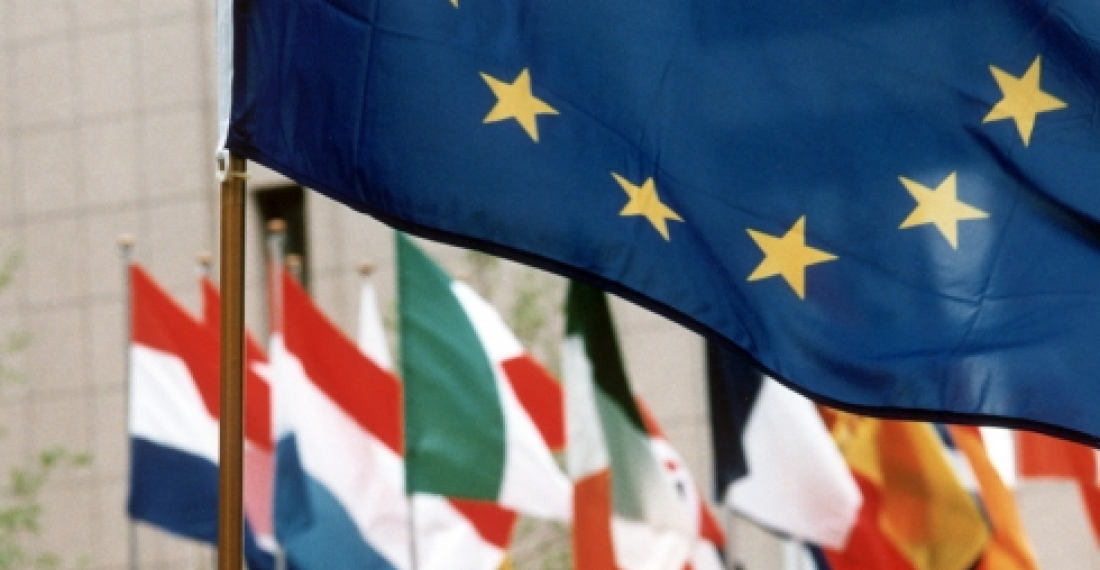
Соглашение об ассоциации, переговоры по которому ЕС ведет с Арменией и Азербайджаном должны сделать регион более безопасным, как путём содействования мирному урегулированию нагорно-карабахского конфликта, также посредством поддержки ЕС прав человека и демократических реформ. Но этим двум странам еще предстоит пройти долгий путь, сказано в резолюциях Европейского парламента, принятых в среду.

Резолюции парламента рекомендует Совету и Комиссии принять в ходе переговоров соглашения об ассоциации с Арменией и Азербайджаном. Депутаты Европарламента одобрили соглашение ЕС-Азербайджан с 520 голосов за, 32 против и 24 воздержавшимися и соглашение ЕС-Армения с результатами 508 за и 29 против и 27 воздержавшихся.

Резолюция хвалит Армению за амбиции в реформах, но и предупреждает о нарушениях прав человека, в связи с 2012 году Евровидением в Баку, Азербайджане и парламентскими выборами в Армении 6 мая.

Депутаты Европарламента призывают обе страны приложить больше усилий для урегулирования нагорно-карабахского конфликта. Резолюция осуждает милитаризацию региона и высокие военные расходы, и призывает государства-члены ЕС прекратить поставки оружия и боеприпасов для обеих стран.

Парламент также призывает лидеров Армении и Азербайджана смягчить язык своих выступлений и проложить путь к подлинному диалогу.

Докладчики подчеркнули, что хотя соглашения об ассоциации не может разрешить конфликт, ЕС должен стремиться внести свой вклад в стабильность в регионе, например, сосредоточив внимание на важности молодежных обменов и академической мобильности, содействовать укреплению доверия в ходе переговоров об упрощении визового режима и соглашений о реадмиссии.

Переговоры по соглашениям об ассоциации с Арменией и Азербайджаном начались в июле 2010 года. До сих пор 24 из 28 глав переговоров были закрыты в переговорах с Арменией, и 13 из 28 с Азербайджаном. Диалог с обеими странами об упрощении визового режима был начат в марте этого года. Оба соглашения должны быть ратифицированы парламентом, чтобы вступить в силу.

Источник: Пресс-служба Европейского парламента

Related articles

Editor's choice
News
The British prime minister says Europe must "stand on its own two feet" when it comes to defence

The British prime minister says Europe must "stand on its own two feet" when it comes to defence

The UK will deploy a carrier strike group, led by the aircraft carrier HMS Prince of Wales to the Arctic and the High North as part of efforts to bolster security against Russian threats. British prime minister, Sir Keir Starmer announced the deployment in a speech on Saturday (14 February) at the Munich Security Conference. Europe must be ready to fight to protect its people, values, and way of life,  Sir Keir told the Conference. Starmer also called for deeper links and cooperation, including economic ties, between the UK and EU. The PM stressed the continent must "stand on its own two feet" when it comes to defence commitments. "We must build our hard power, because that is the currency of the age," he told the conference. (Click image to read the full story).

Popular

Editor's choice
Interview
Thursday Interview: Murad Muradov

Thursday Interview: Murad Muradov

Today, commonspace.eu starts a new regular weekly series. THURSDAY INTERVIEW, conducted by Lauri Nikulainen, will host  persons who are thinkers, opinion shapers, and implementors in their countries and spheres. We start the series with an interview with Murad Muradov, a leading person in Azerbaijan's think tank community. He is also the first co-chair of the Action Committee for a new Armenian-Azerbaijani Dialogue. Last September he made history by being the first Azerbaijani civil society activist to visit Armenia after the 44 day war, and the start of the peace process. Speaking about this visit Murad Muradov said: "My experience was largely positive. My negative expectations luckily didn’t play out. The discussions were respectful, the panel format bringing together experts from Armenia, Azerbaijan, and Turkey was particularly valuable during the NATO Rose-Roth Seminar in Yerevan, and media coverage, while varied in tone, remained largely constructive. Some media outlets though attempted to represent me as more of a government mouthpiece than an independent expert, which was totally misleading.  Overall, I see these initiatives as important steps in rebuilding trust and normalising professional engagement. The fact that soon a larger Azerbaijani civil society visits to Armenia followed, reinforces the sense that this process is moving in the right direction." (click the image to read the interview in full)



