STRATFOR:

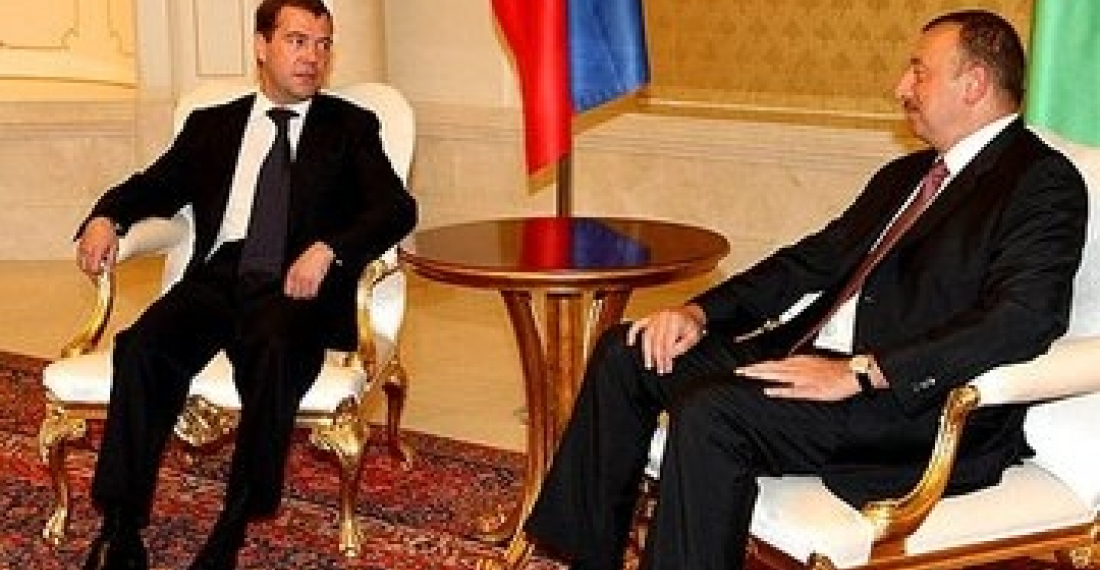
9 августа президент Азербайджана Ильхам Алиев посетил Россию, чтобы встретиться российским президентом Дмитрием Медведевым. Накануне этого визита СМИ говорили в основном о том, что Россия продолжает свои попытки разрешить конфликт между Азербайджаном и Арменией из-за Нагорного Карабаха. Между тем круг вопросов, которые могут обсуждать Россия и Азербайджан, намного шире. Об этом пишет американский глобальный исследовательский центр STRATFOR.

Российские источники STRATFOR утверждают, что в целом отношения между США и Россией стремительно портятся. Кавказ служит для Москвы и Вашингтона одним из  полей противостояния, и происходящее в этом регионе уже давно может служить показателем позиций, которые занимают по отношению друг к другу Вашингтон и Москва. Россия хочет использовать свои связи с Азербайджаном, чтобы напомнить США о влиянии, которым Москва обладает на Кавказе. В свою очередь попытки Азербайджана надавить на Вашингтон и помочь Москве – это часть его обычной стратегии. Он постоянно старается  играть на противоречиях зарубежных стран в собственных интересах.

Россия, вновь обретшая уверенность в своем геополитическом значении, в последний год начала вести в отношении Соединенных Штатов двойственную политику, подразумевающую одновременно сотрудничество и конфронтацию. Хотя в некоторых областях Вашингтон и Москва сотрудничают, Россия недовольна Америкой в целом ряде вопросов. В частности ее тревожат планы Вашингтона разместить в Центральной Европе системы обороны против баллистических ракет.

Недавно Конгресс США предпринял ряд антироссийских шагов, всерьез взволновавших Москву.  26 июля Сенат США принял закон, запрещающий выдачу виз примерно 60 российским чиновникам, которые обвиняются в причастности к гибели юриста Сергея Магнитского. 29 июля он же принял резолюцию, призывающую Москву вывести войска из Южной Осетии и Абхазии. Наконец, 29 июля ЦРУ представило Конгрессу доклад, в котором Россия обвинялась в организации в 2010 году серии взрывов в Грузии, включая попытку подрыва американского посольства в Тбилиси. Хотя законы, принимаемые Конгрессом, могут не отражать позицию администрации, Россия начинает опасаться, что некоторые крайне антироссийски настроенные политики могут по итогам предстоящего США избирательного сезона приобрести еще больше власти.

Нерешенные вопросы, осложняющие отношения между Вашингтоном и Москвой, будут более отчетливо сформулированы в ходе ряда предстоящих этой осенью двусторонних мероприятий, в число которых входят очередная встреча Медведева с президентом США Бараком Обамой и новый раунд переговоров между Россией и НАТО по проблеме ПРО. Россия использует визит Алиева, чтобы подчеркнуть в преддверии этих встреч свои связи с Азербайджаном. Напоминая Соединенным Штатам о своем влиянии на Кавказе, Москва показывает Вашингтону, что любые агрессивные действия США в грузинском вопросе не останутся без ответа.

У Азербайджана есть свои причины сотрудничать с Россией. Его отношения с США трудно назвать простыми. Среди прочего, в Соединенных Штатах действует большое и влиятельное армянское лобби, которое временами может заставлять Вашингтон действовать в интересах Армении, пренебрегая интересами Азербайджана (как в случае с сохраняющимся до сих пор американским эмбарго на поставки оружия Азербайджану).

Впрочем, несмотря на разногласия между Вашингтоном и Баку, Соединенные Штаты крайне интересует азербайджанский энергетический сектор. После распада Советского Союза, США вложили в азербайджанскую энергетику немало денег. Хотя Вашингтон позднее отвлекся на конфликты в исламском мире, геополитические интересы, которые заставили его инвестировать средства в энергетический сектор Азербайджана, никуда не исчезли, и сейчас Соединенные Штаты хотели бы влиять на его развитие. На фоне продолжающегося восстановления российского могущества,  Соединенные Штаты хотели бы, чтобы Азербайджан играл ключевую роль в развитии систем добычи и транспортировки энергоносителей, способных помочь европейским рынкам избавиться от зависимости от поставок из России. Если Россия и Азербайджан заключат соглашение, в результате которого Баку начнет концентрироваться на энергетических проектах, не мешающих России сохранять господствующую роль, это станет ударом по интересам США в регионе.

Азербайджан в большей степени, чем другие кавказские страны, играет на противоречиях крупных держав, преследуя собственные интересы. Причем в первую очередь его интересует развитие нефтегазового сектора. Азербайджан вряд ли когда-нибудь полностью встанет на сторону России или любой другой страны, так как Баку не хочет, чтобы будущее его энергетической промышленности зависело от какого-либо одного игрока. Однако и Москва, и Баку, демонстрируя, что между ними возможно сотрудничество, получают преимущество на переговорах с другими странами. Примером этой же стратегии  служит и российский визит Алиева. Москва и Баку используют его, чтобы напомнить Соединенным Штатам о том, что Россия и Азербайджан в любой момент могут начать сотрудничать – в ущерб интересам США.

Related articles

Editor's choice
News
Council of Europe launches new International Claims Commission for Ukraine

Council of Europe launches new International Claims Commission for Ukraine

Thirty-four countries and the European Union have signed a new convention establishing an International Claims Commission for Ukraine at a diplomatic conference co-hosted by the 46-nation Council of Europe and the Netherlands in the Hague. The diplomatic conference was attended by leaders and high-level representatives from over 50 states, including the President of Ukraine, Volodymyr Zelenskyy, the President of the Republic of Moldova, Maia Sandu, and the Prime Minister of the Netherlands, Dick Schoof.  “Today marks a major step forward in ensuring accountability for Ukraine. The International Claims Commission represents justice and hope for tens of thousands of victims—our determination that those who have suffered will not be forgotten. I call for quick ratifications so we can get the commission rapidly up and running for the people of Ukraine,” said Council of Europe Secretary General Alain Berset. Ukrainian President Volodymyr Zelenskyy said: “We expect that every mechanism for compensation from the Register of Damage and Claims Commission to the actual payments – will start working and receive strong and sufficient international support, so that people can truly feel that any kind of damage caused by the war can be compensated. This war, and Russia’s responsibility for it, MUST become a clear example – so that others learn not to choose aggression.” “Accountability is about creating the conditions for peace that endures. And therefore, accountability is a condition of security – today and for the future. But accountability is not only about Ukraine. And it is not only about one aggressor and one victim. Accountability is about Europe. About every country in Europe. It is about whether Europe, as a whole, is willing to defend its peace,” said Maia Sandu, President of the Republic of Moldova, which currently holds the Presidency of the Council of Europe’s Committee of Ministers. The Prime Minister of the Netherlands, Dick Schoof, said: “Every day Russia is deliberately bombarding homes, destroying businesses and damaging infrastructure in Ukraine. Russia must compensate Ukraine for the damage caused. That is why we have launched the International Claims Commission for Ukraine and we are honoured to host it.” The International Claims Commission will be the second part of a comprehensive compensation mechanism related to Russia’s war of aggression, building on the existing Register of Damage for Ukraine. The claims commission will be established within the framework of the Council of Europe and will also be open to other countries. The Register of Damage for Ukraine, created in 2023, collects and records compensation claims submitted by individuals, organisations and public bodies in Ukraine. Forty-four states and the European Union have so far joined the Register, which has already received 86,000 claims. The International Claims Commission will review, assess and decide upon claims submitted to the Register of Damage for Ukraine and determine the amount of compensation, if any, which is due in each case. The convention establishing the commission will enter into force once it has been ratified by 25 signatories, as long as sufficient funds have been secured to support its initial work.

Popular

Editor's choice
News
Council of Europe launches new International Claims Commission for Ukraine

Council of Europe launches new International Claims Commission for Ukraine

Thirty-four countries and the European Union have signed a new convention establishing an International Claims Commission for Ukraine at a diplomatic conference co-hosted by the 46-nation Council of Europe and the Netherlands in the Hague. The diplomatic conference was attended by leaders and high-level representatives from over 50 states, including the President of Ukraine, Volodymyr Zelenskyy, the President of the Republic of Moldova, Maia Sandu, and the Prime Minister of the Netherlands, Dick Schoof.  “Today marks a major step forward in ensuring accountability for Ukraine. The International Claims Commission represents justice and hope for tens of thousands of victims—our determination that those who have suffered will not be forgotten. I call for quick ratifications so we can get the commission rapidly up and running for the people of Ukraine,” said Council of Europe Secretary General Alain Berset. Ukrainian President Volodymyr Zelenskyy said: “We expect that every mechanism for compensation from the Register of Damage and Claims Commission to the actual payments – will start working and receive strong and sufficient international support, so that people can truly feel that any kind of damage caused by the war can be compensated. This war, and Russia’s responsibility for it, MUST become a clear example – so that others learn not to choose aggression.” “Accountability is about creating the conditions for peace that endures. And therefore, accountability is a condition of security – today and for the future. But accountability is not only about Ukraine. And it is not only about one aggressor and one victim. Accountability is about Europe. About every country in Europe. It is about whether Europe, as a whole, is willing to defend its peace,” said Maia Sandu, President of the Republic of Moldova, which currently holds the Presidency of the Council of Europe’s Committee of Ministers. The Prime Minister of the Netherlands, Dick Schoof, said: “Every day Russia is deliberately bombarding homes, destroying businesses and damaging infrastructure in Ukraine. Russia must compensate Ukraine for the damage caused. That is why we have launched the International Claims Commission for Ukraine and we are honoured to host it.” The International Claims Commission will be the second part of a comprehensive compensation mechanism related to Russia’s war of aggression, building on the existing Register of Damage for Ukraine. The claims commission will be established within the framework of the Council of Europe and will also be open to other countries. The Register of Damage for Ukraine, created in 2023, collects and records compensation claims submitted by individuals, organisations and public bodies in Ukraine. Forty-four states and the European Union have so far joined the Register, which has already received 86,000 claims. The International Claims Commission will review, assess and decide upon claims submitted to the Register of Damage for Ukraine and determine the amount of compensation, if any, which is due in each case. The convention establishing the commission will enter into force once it has been ratified by 25 signatories, as long as sufficient funds have been secured to support its initial work.