Сопредседатели МГ ОБСЕ завершают визит на Южный Кавказ

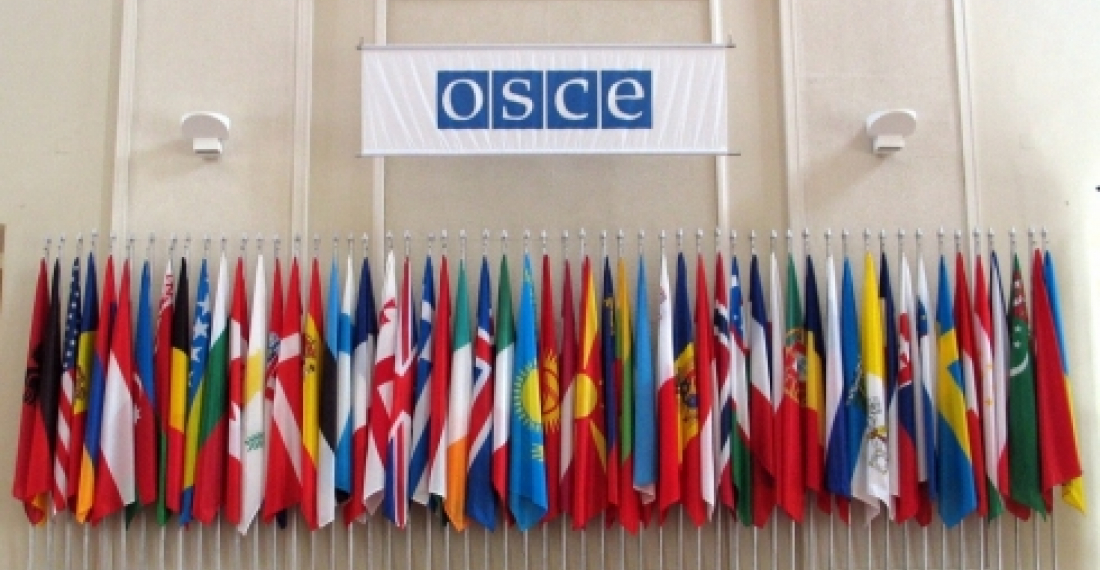
Дипломаты "Минского процесса" ОБСЕ, представляющие три страны-сопредседателя (Франция, Россия и США), а также личный представитель швейцарского председательства в ОБСЕ, только что завершили краткий визит в регион. В заявлении ОБСЕ сказано, что главной целью их визита было рассмотрение ситуации в Нагорном Карабахе, Кельбаджаре и Лачине, в соответствии с мандатом. В заявлении также говорится, что "Находясь в дороге в этих областях, увидели признаки улучшения в инфраструктуре, но не обнаружили какие-либо указания на то, что численность населения в последние годы изменилась."

Посредники также посетили Сарсангское водохранилище и обсудили статус и вопросы его эксплуатации с руководителями. Они выразили надежду на то, что стороны достигнут соглашения о совместном управлении водными ресурсами в интересах региона.

19 мая сопредседатели пересекли линию соприкосновения около населенного пункта Тертер. Посредники выразили сожаление по поводу продолжающихся нарушений режима прекращения огня и последующих жертв. Сопредседатели отметили, что отсутствие механизма для расследования нарушений режима прекращения огня позволяет сторонам валить вину друг на друга.

«В ходе визита, сопредседатели совершили визиты вежливости, встретившись с должностными лицами в Ереване и Баку, а также де-факто властями и представителями местных администраций в Нагорном Карабахе и Карвачаре, а также посетил Бердзор. Они также встретились с представителями азербайджанской общины Нагорного Карабаха в Баку. В ходе встреч, дипломаты обсудили элементы мирного процесса, и подчеркнули, что основой прочного урегулирования остаются элементы, изложенные в заявлениях президентов стран-сопредседателей с 2009 по 2013»,- говорится в заявлении.

Следует отметить, необычно, что в этот раз дипломаты не встречались с президентами Армении и Азербайджана во время их поездки. Пока не ясно, было ли это по техническим причинам. Президент Азербайджана Ильхам Алиев, в настоящее время находится с официальным визитом во Вьетнаме.

Источник: commonspace.eu по материалам агентств
Related articles

Editor's choice
News
The British prime minister says Europe must "stand on its own two feet" when it comes to defence

The British prime minister says Europe must "stand on its own two feet" when it comes to defence

The UK will deploy a carrier strike group, led by the aircraft carrier HMS Prince of Wales to the Arctic and the High North as part of efforts to bolster security against Russian threats. British prime minister, Sir Keir Starmer announced the deployment in a speech on Saturday (14 February) at the Munich Security Conference. Europe must be ready to fight to protect its people, values, and way of life,  Sir Keir told the Conference. Starmer also called for deeper links and cooperation, including economic ties, between the UK and EU. The PM stressed the continent must "stand on its own two feet" when it comes to defence commitments. "We must build our hard power, because that is the currency of the age," he told the conference. (Click image to read the full story).

Popular

Editor's choice
Interview
Thursday Interview: Murad Muradov

Thursday Interview: Murad Muradov

Today, commonspace.eu starts a new regular weekly series. THURSDAY INTERVIEW, conducted by Lauri Nikulainen, will host  persons who are thinkers, opinion shapers, and implementors in their countries and spheres. We start the series with an interview with Murad Muradov, a leading person in Azerbaijan's think tank community. He is also the first co-chair of the Action Committee for a new Armenian-Azerbaijani Dialogue. Last September he made history by being the first Azerbaijani civil society activist to visit Armenia after the 44 day war, and the start of the peace process. Speaking about this visit Murad Muradov said: "My experience was largely positive. My negative expectations luckily didn’t play out. The discussions were respectful, the panel format bringing together experts from Armenia, Azerbaijan, and Turkey was particularly valuable during the NATO Rose-Roth Seminar in Yerevan, and media coverage, while varied in tone, remained largely constructive. Some media outlets though attempted to represent me as more of a government mouthpiece than an independent expert, which was totally misleading.  Overall, I see these initiatives as important steps in rebuilding trust and normalising professional engagement. The fact that soon a larger Azerbaijani civil society visits to Armenia followed, reinforces the sense that this process is moving in the right direction." (click the image to read the interview in full)