


Шесть конкретных шагов, которые ЕС должно предпринять в Нагорном Карабахе

По словам двух экспертов в области политики, ЕС должен активнее участвовать в поисках решения конфликта в Нагорном Карабахе, который снова разгорелся 2-го апреля, в результате чего погибли десятки людей.

Деннис Саммут, директор LINKS, и Аманда Пол, старший аналитик по вопросам политики, изложили шесть конкретных шагов, которые ЕС может предпринять, в статье опубликованной Центром европейской политики в Брюсселе:

ЕС должен требовать быть официально представленым в расширенном составе Минской группы, председательствующей страной в ЕС.

ЕС должен рассматривать карабахский конфликт неотъемлемой частью его политического диалога с Арменией и Азербайджаном, и не обходить его стороной ради упрощения дел

ЕС должен назначить военных представителей в Баку и Ереване

ЕС должен взаимодействовать с гражданским обществом посредством таких инструментов, как ЕПНК (Европейское партнерство по мирному урегулированию конфликта вокруг Нагорного Карабаха)

ЕС должен удостовериться, что позиций государств-членов по Карабаху синхронизированы

ЕС должен координировать и проводить консультации с другими региональными заинтересованными сторонами, в том числе Россией, Турцией и Ираном

Статью в полном объеме можно прочитать здесь: http://www.epc.eu/pub_details.php?cat_id=4&pub_id=6447

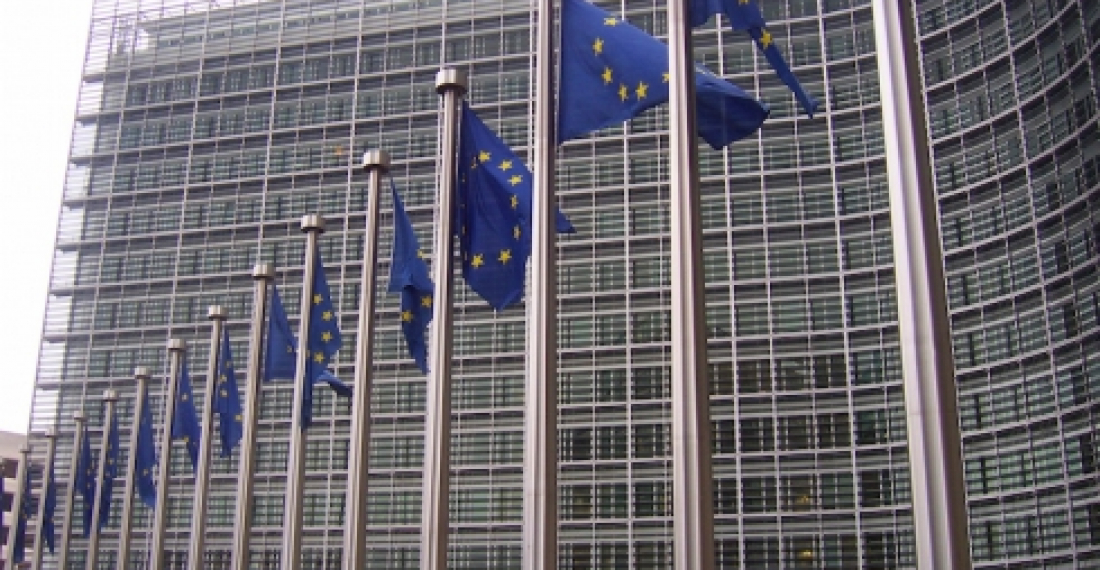
фото: Европейская комиссия в Брюсселе

 

Related articles

Editor's choice
News
European leaders set out their plan for Ukraine

European leaders set out their plan for Ukraine

The leaders of Germany, Denmark, Finland, France, Italy, Netherlands, Norway, Poland, Sweden, and United Kingdom, together with the President of the European Council, and the President of the European Commission, o  Monday (15 December) issued a statement, outlining their plan for Ukraine. In their statement, Chancellor Merz, Prime Minister Frederiksen, President Stubb, President Macron, Prime Minister Meloni, Prime Minister Schoof, Prime Minister Støre, Prime Minister Tusk, Prime Minister Kristersson, Prime Minister Starmer, as well as President Costa and President von der Leyen spoke about "Peace for Ukraine". The Leaders welcomed significant progress on President Trump’s efforts to secure a just and lasting peace in Ukraine. They also welcomed the close work between President Zelenskyy’s and President Trump’s teams as well as European teams over the recent days and weeks. They agreed to work together with President Trump and President Zelenskyy to get to a lasting peace which preserves Ukrainian sovereignty and European security. Leaders appreciated the strong convergence between the United States, Ukraine and Europe. Leaders agreed that ensuring the security, sovereignty, and prosperity of Ukraine was integral for wider Euro-Atlantic security. They were clear that Ukraine and its people deserved a prosperous, independent, and sovereign future, free from fear of future Russian aggression. Both the US and European leaders committed to work together to provide robust security guarantees and economic recovery support measures for Ukraine in the context of an agreement on ending the war. This would include commitments to: Provide sustained and significant support to Ukraine to build its armed forces, which should remain at a peacetime level of 800,000 to be able to deter conflict and defend Ukraine’s territory. A European-led ‘multinational force Ukraine’ made up from contributions from willing nations within the framework of the Coalition of the Willing and supported by the US. It will assist in the regeneration of Ukraine’s forces, in securing Ukraine’s skies, and in supporting safer seas, including through operating inside Ukraine. (Click the image to read the statement in full).

Popular


