В Вене проходит Ежегодная конференция ОБСЕ по обзору проблем в области безопасности

В центре внимания ежегодной встречи с участием дипломатов и экспертов, которая в настоящее время проходит в австрийской столице, Украина и Карабахский конфликт.

Во вторник (27 июня) министр иностранных дел Австрии, Себастьян Курц, открыл Ежегодную конференцию ОБСЕ по обзору проблем в области безопасности, организованную Действующим председателем ОБСЕ в Вене, в ходе которой участники обсуждают текущие проблемы безопасности на всей территории ОБСЕ. В настоящее время Австрия занимает пост председателя организации.

В ходе сессий конференции с высокопоставленными экспертами и дипломатами будет рассмотрен широкий круг вопросов, связанных с военно-политической безопасностью в ОБСЕ.

Среди тем конференции кризис в Украине и вокруг нее, транснациональные угрозы, в частности терроризм и кибер-угрозы, конфликтный цикл и конфликтные и кризисные ситуации в регионе ОБСЕ, а также контроль над обычными вооружениями и меры укрепления доверия и безопасности.

Кроме того, специальная сессия будет посвящена вопросу Структурированного диалога, процессу, который рассматривает проблемы и риски в более широкой военно-политической сфере и исследует возможности изменений негативных тенденций в архитектуре европейской безопасности.

На сегодняшних утренних заседаниях в дискуссиях доминировала ситуация в Украине, и многие выступавшие говорили о нынешних опасностях вокруг нагорно-карабахского конфликта.

По вопросу Украины на российских дипломатов оказали давление в своих выступлениях представители Соединенных Штатов, Европейского Союза, НАТО и самой делегацией Украины, повторив, что аннексия Крыма Россией остается неприемлемой. Однако, все делегации подтвердили важность диалога для решения текущих проблем.

В конференции также принимают участие делегации Армении и Азербайджана. Нагорно-карабахский вопрос также упоминался практически всеми делегациями, которые выступили на утренней сессии. Государства-участники и международные организации подтвердили свою поддержку усилий Минской группы ОБСЕ. Среди выступавших были также делегаций от Армении и Азербайджана.

Конференция будет длиться до четверга.

источник: commonspace.eu

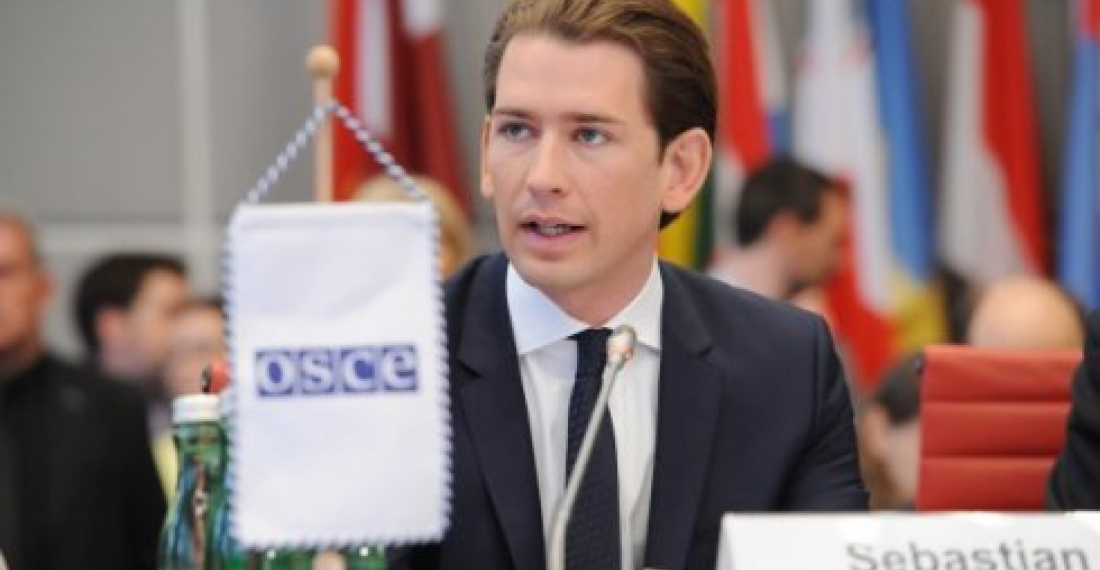
фото: Министр иностранных дел Австрии и нынешний председатель ОБСЕ Себастьян Курц (архив)

Related articles

Editor's choice
News
Borrell tells the European Parliament that the situation in Afghanistan was critical, but the EU will remain engaged

Borrell tells the European Parliament that the situation in Afghanistan was critical, but the EU will remain engaged

Borrell underlined that the European Union will make every effort to support the peace process and to remain a committed partner to the Afghan people. "Of course, we will have to take into account the evolving situation, but disengagement is not an option.  We are clear on that: there is no alternative to a negotiated political settlement, through inclusive peace talks.
Editor's choice
News
Germany accuses Russia of cyberattacks and disinformation campaign

Germany accuses Russia of cyberattacks and disinformation campaign

The German government holds Russia responsible for a cyberattack on German air traffic control, and for targeted disinformation campaigns before the last federal election. According to the German Foreign Office in Berlin, the incidents could be clearly attributed to the Russian military intelligence service, the GRU. In response, the Russian ambassador to Berlin was summoned to the Foreign Ministry. "We have been observing a massive increase in threatening hybrid activities by Russia for some time now," a spokesperson for the Foreign Ministry stated. These range from disinformation campaigns and espionage to cyberattacks and sabotage attempts. The aim is to divide society, sow distrust, and undermine confidence in democratic institutions. The spokesperson added that with these actions, Russia is "very concretely threatening our security, not only through its war of aggression against Ukraine, but also here in Germany."  The Foreign Ministry spokesperson explained that the cyberattack on air traffic control in August 2024 was clearly attributed to the hacker collective "APT28," known as "Fancy Bear," and to the responsibility of the Russian military intelligence service, the GRU. Furthermore, it could now be "conclusively stated" that Russia had attempted "to influence and destabilize both the last Federal election and the ongoing internal affairs of the Federal Republic of Germany." There was "absolutely irrefutable evidence" for this". The so-called "Storm 1516" campaign, which has been running since 2024, is allegedly backed by "reliable information" that the Moscow-based think tank "Center for Geopolitical Expertise" is behind it. The Center is also said to be supported by Russian military intelligence. Its primary aim is to influence democratic elections in the West. (Click the image to read more).

Popular

Editor's choice
News
Germany accuses Russia of cyberattacks and disinformation campaign

Germany accuses Russia of cyberattacks and disinformation campaign

The German government holds Russia responsible for a cyberattack on German air traffic control, and for targeted disinformation campaigns before the last federal election. According to the German Foreign Office in Berlin, the incidents could be clearly attributed to the Russian military intelligence service, the GRU. In response, the Russian ambassador to Berlin was summoned to the Foreign Ministry. "We have been observing a massive increase in threatening hybrid activities by Russia for some time now," a spokesperson for the Foreign Ministry stated. These range from disinformation campaigns and espionage to cyberattacks and sabotage attempts. The aim is to divide society, sow distrust, and undermine confidence in democratic institutions. The spokesperson added that with these actions, Russia is "very concretely threatening our security, not only through its war of aggression against Ukraine, but also here in Germany."  The Foreign Ministry spokesperson explained that the cyberattack on air traffic control in August 2024 was clearly attributed to the hacker collective "APT28," known as "Fancy Bear," and to the responsibility of the Russian military intelligence service, the GRU. Furthermore, it could now be "conclusively stated" that Russia had attempted "to influence and destabilize both the last Federal election and the ongoing internal affairs of the Federal Republic of Germany." There was "absolutely irrefutable evidence" for this". The so-called "Storm 1516" campaign, which has been running since 2024, is allegedly backed by "reliable information" that the Moscow-based think tank "Center for Geopolitical Expertise" is behind it. The Center is also said to be supported by Russian military intelligence. Its primary aim is to influence democratic elections in the West. (Click the image to read more).