


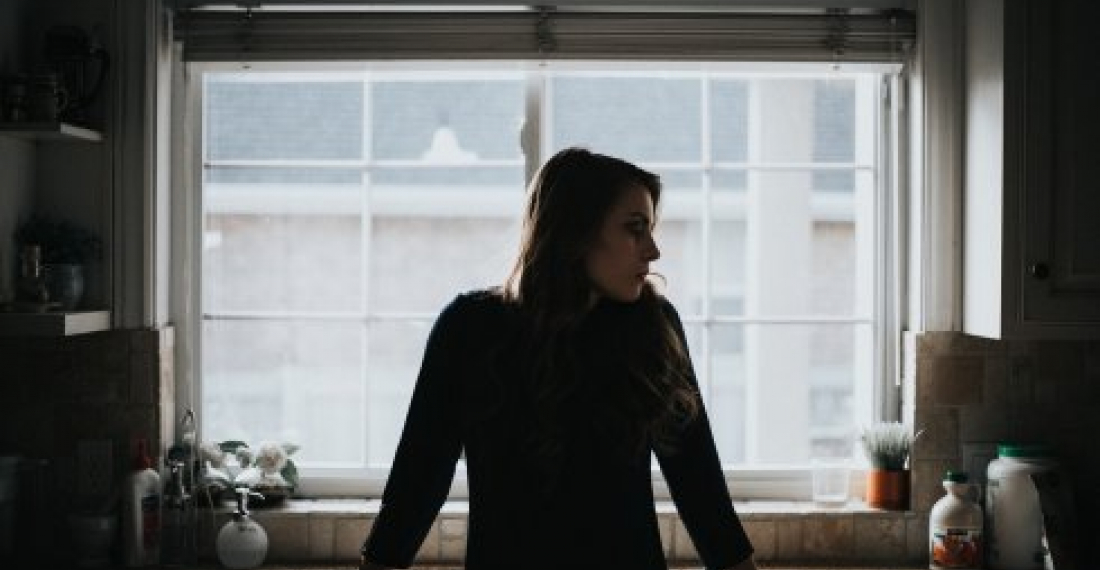
Одиночество во время пандемии

Предполагается, что четверть населения мира на этой неделе находится в какой-то степени самоизоляции, поскольку страны, большие и малые, вводят запрет, пытаясь остановить распространение коронавируса.

В сегодняшнем обзоре для commonspace.eu Уилл Мюррей рассказывает об одиночестве и говорит, что крайне важно, чтобы мы обращали внимание на, казалось бы, мелочи, которые со временем могут оказать серьезное влияние на наше психическое здоровье.

Исследование, проведенное Европейской комиссией в 2018 году, показало, что 7% взрослых в ЕС или около 30 миллионов европейцев часто сообщают о том, что чувствуют себя одинокими, а в некоторых странах, таких как Италия, Франция и Греция, эта цифра достигает 10%. На момент составления отчета 18% опрошенных считались социально изолированными - «те, кто заявлял, что они встречаются в обществе с друзьями, родственниками или коллегами по работе не чаще одного раза в месяц». Благодаря статистике, показывающей, что примерно треть (32,5% в 2016 году) домохозяйств ЕС состоят только из одного человека, а при условии обязательной или крайне рекомендуемой изоляции на всем континенте, мы можем ожидать, что число людей, чувствующих себя одинокими в течение следующих нескольких месяцев будет намного выше.

Исследования показали, что одиночество оказывает такое же влияние на показатели смертности, как курение табака и потребление алкоголя. Это может привести к тревоге, депрессии, ухудшению когнитивных функций и, что особенно важно в настоящее время, к ослаблению иммунной системы. "Кампания по борьбе с одиночеством" выдвинула ряд предложений по предотвращению развития этой болезни в этот период изоляции:

- "Звоните своим друзьям, коллегам и родственникам регулярно по телефону и узнайте, как они поживают. Создайте группы в WhatsApp с соседями, семьей или друзьями."

- "Поделитесь, как вы поживаете и спросите других людей, как они."

- "Попросите друга вместе приготовить еду, посмотреть фильм или прочитать книгу одновременно с вами по Skype или FaceTime".

- "Используйте Facebook и Twitter, чтобы быть в курсе событий и поддерживать связь".

Поскольку школы, университеты и рабочие места закрывают свои двери, у нас, вероятно, будет много времени - если вы не слышали от кого-то какое-то время, почему бы не позвонить им, чтобы узнать, как у них дела? Следующие несколько месяцев будут тяжелыми для многих, и мы обязаны следить друг за другом и сделать этот период как можно более приятным.

Этот обзор был подготовлен Уиллом Мюрреем для commonspace.eu

 

Related articles

Editor's choice
News
Uzbekistan calls for bigger voice for Central Asia in the UN

Uzbekistan calls for bigger voice for Central Asia in the UN

Uzbekistan called for a more effective and representative United Nations on September 23, as presidential administration chief Saida Mirziyoyeva used her address to the UN General Assembly to seek support for the country’s candidacy for a nonpermanent Security Council seat in 2035–2036. Speaking at the Assembly’s 81st session in New York, Mirziyoyeva argued that international cooperation remains necessary despite growing geopolitical divisions. She endorsed UN Secretary-General António Guterres’ UN80 reform initiative and called for an expanded Security Council, arguing that international rules should be applied consistently rather than according to the interests of powerful states. Uzbekistan’s planned chairmanship of the Non-Aligned Movement in 2027 was presented as another platform for promoting dialogue. Her emphasis on multilateralism also fits a broader Central Asian effort to increase the region’s role in international institutions. Kyrgyzstan, for example, will hold its first Security Council seat in 2027–2028. Mirziyoyeva also highlighted regional cooperation, pointing to improved relations among Central Asian states over longstanding border and water disputes. On Afghanistan, she urged countries not to view it solely as a security threat, stressing the importance of creating conditions for peaceful development. She linked Uzbekistan’s international agenda to domestic reforms, citing economic growth, falling poverty and expanded education. Climate and water security also featured prominently, with the Aral Sea serving as an example of the consequences of poor environmental management. (click image to read more)

Popular

Editor's choice
Interview
Thursday Interview: Murad Muradov

Thursday Interview: Murad Muradov

Today, commonspace.eu starts a new regular weekly series. THURSDAY INTERVIEW, conducted by Lauri Nikulainen, will host  persons who are thinkers, opinion shapers, and implementors in their countries and spheres. We start the series with an interview with Murad Muradov, a leading person in Azerbaijan's think tank community. He is also the first co-chair of the Action Committee for a new Armenian-Azerbaijani Dialogue. Last September he made history by being the first Azerbaijani civil society activist to visit Armenia after the 44 day war, and the start of the peace process. Speaking about this visit Murad Muradov said: "My experience was largely positive. My negative expectations luckily didn’t play out. The discussions were respectful, the panel format bringing together experts from Armenia, Azerbaijan, and Turkey was particularly valuable during the NATO Rose-Roth Seminar in Yerevan, and media coverage, while varied in tone, remained largely constructive. Some media outlets though attempted to represent me as more of a government mouthpiece than an independent expert, which was totally misleading.  Overall, I see these initiatives as important steps in rebuilding trust and normalising professional engagement. The fact that soon a larger Azerbaijani civil society visits to Armenia followed, reinforces the sense that this process is moving in the right direction." (click the image to read the interview in full)


