


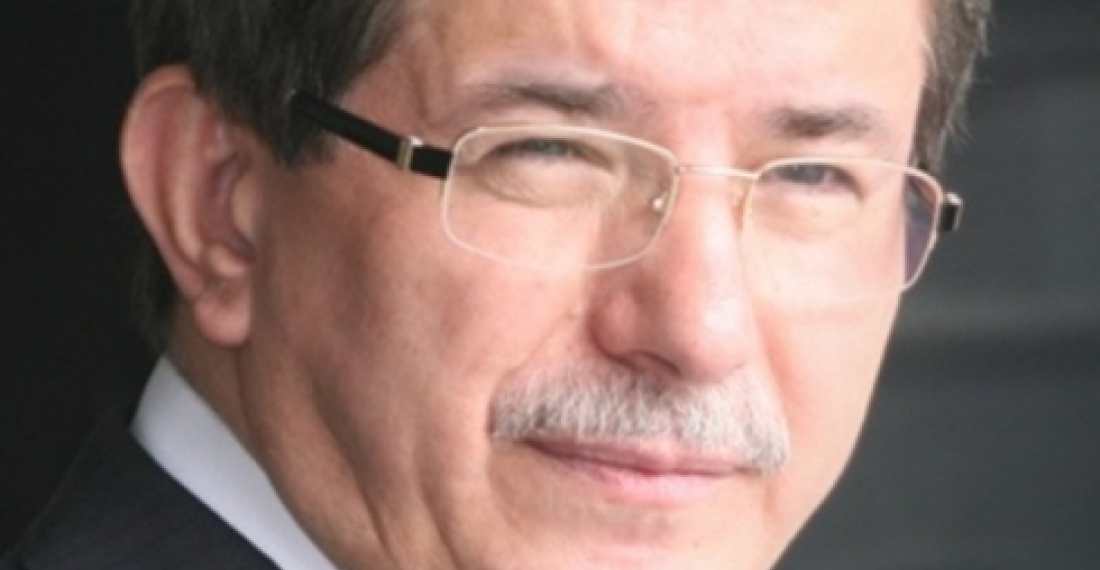
Давутоглу посетит Армению в ближайшие дни. Визит министра иностранных дел Турции является признаком постоянного интереса к нормализации армяно-турецких отношений

Министр иностранных дел Турции Ахмед Давутоглу на следующей неделе посетит Армению в знак того, что и Армения, и Турция продолжают поиск путей нормализации их отношений.

Давутоглу заявил, что он принял приглашение Армении для участия в заседании Организации Черноморского экономического сотрудничества (ОЧЭС) в Ереване, 12 декабря.

"Турция является одним из членов-учредителей организации. Штаб-квартира организации находится в Стамбуле, где Армения, которая является членом организации, также имеет своего представителя. Я получил приглашение и решил принять его после консультаций с президентом", сказал Давутоглу журналистам на пресс-конференции в Анкаре.

В то же время, согласно турецким СМИ, Давутоглу встретился вчера со своим армянским коллегой Эдвардом Налбандяном в ходе заседания Совета министров ОБСЕ в столице Украины, Киеве. Он также провел встречи со своим азербайджанским коллегой Эльмаром Мамедъяровым и министром иностранных дел России Сергеем Лавровым.

Турция и Армения были близки к восстановлению дипломатических отношений в 2009 году после подписания ряда соглашений, направленных на нормализацию отношений между ними. Однако, соглашения так и не были ратифицированы. Азербайджан оказал давление на Турцию, с целью блокировать эти соглашения пока не будет достигнут прогресс в процессе урегулирования нагорно-карабахского конфликта. Армянская диаспора в свою очередь критиковала правительство Армении из-за нормализации отношений с Анкарой без предварительного признания зверств в Анатолии в первой половине 20-го века в качестве геноцида.

Источник: commonspace.eu

Related articles

Editor's choice
News
Borrell tells the European Parliament that the situation in Afghanistan was critical, but the EU will remain engaged

Borrell tells the European Parliament that the situation in Afghanistan was critical, but the EU will remain engaged

Borrell underlined that the European Union will make every effort to support the peace process and to remain a committed partner to the Afghan people. "Of course, we will have to take into account the evolving situation, but disengagement is not an option.  We are clear on that: there is no alternative to a negotiated political settlement, through inclusive peace talks.
Editor's choice
News
Germany accuses Russia of cyberattacks and disinformation campaign

Germany accuses Russia of cyberattacks and disinformation campaign

The German government holds Russia responsible for a cyberattack on German air traffic control, and for targeted disinformation campaigns before the last federal election. According to the German Foreign Office in Berlin, the incidents could be clearly attributed to the Russian military intelligence service, the GRU. In response, the Russian ambassador to Berlin was summoned to the Foreign Ministry. "We have been observing a massive increase in threatening hybrid activities by Russia for some time now," a spokesperson for the Foreign Ministry stated. These range from disinformation campaigns and espionage to cyberattacks and sabotage attempts. The aim is to divide society, sow distrust, and undermine confidence in democratic institutions. The spokesperson added that with these actions, Russia is "very concretely threatening our security, not only through its war of aggression against Ukraine, but also here in Germany."  The Foreign Ministry spokesperson explained that the cyberattack on air traffic control in August 2024 was clearly attributed to the hacker collective "APT28," known as "Fancy Bear," and to the responsibility of the Russian military intelligence service, the GRU. Furthermore, it could now be "conclusively stated" that Russia had attempted "to influence and destabilize both the last Federal election and the ongoing internal affairs of the Federal Republic of Germany." There was "absolutely irrefutable evidence" for this". The so-called "Storm 1516" campaign, which has been running since 2024, is allegedly backed by "reliable information" that the Moscow-based think tank "Center for Geopolitical Expertise" is behind it. The Center is also said to be supported by Russian military intelligence. Its primary aim is to influence democratic elections in the West. (Click the image to read more).

Popular

Editor's choice
News
Germany accuses Russia of cyberattacks and disinformation campaign

Germany accuses Russia of cyberattacks and disinformation campaign

The German government holds Russia responsible for a cyberattack on German air traffic control, and for targeted disinformation campaigns before the last federal election. According to the German Foreign Office in Berlin, the incidents could be clearly attributed to the Russian military intelligence service, the GRU. In response, the Russian ambassador to Berlin was summoned to the Foreign Ministry. "We have been observing a massive increase in threatening hybrid activities by Russia for some time now," a spokesperson for the Foreign Ministry stated. These range from disinformation campaigns and espionage to cyberattacks and sabotage attempts. The aim is to divide society, sow distrust, and undermine confidence in democratic institutions. The spokesperson added that with these actions, Russia is "very concretely threatening our security, not only through its war of aggression against Ukraine, but also here in Germany."  The Foreign Ministry spokesperson explained that the cyberattack on air traffic control in August 2024 was clearly attributed to the hacker collective "APT28," known as "Fancy Bear," and to the responsibility of the Russian military intelligence service, the GRU. Furthermore, it could now be "conclusively stated" that Russia had attempted "to influence and destabilize both the last Federal election and the ongoing internal affairs of the Federal Republic of Germany." There was "absolutely irrefutable evidence" for this". The so-called "Storm 1516" campaign, which has been running since 2024, is allegedly backed by "reliable information" that the Moscow-based think tank "Center for Geopolitical Expertise" is behind it. The Center is also said to be supported by Russian military intelligence. Its primary aim is to influence democratic elections in the West. (Click the image to read more).


