


Армения и Азербайджан приветствовали соглашение по иранской ядерной программе.

Правительства Азербайджана и Армении вместе с другими странами, приветствовали рамочное соглашение, подписанное вчера между Ираном и мировыми державами с целью положить конец противостоянию вокруг ядерной программы Ирана. В отдельных, но очень похожих заявлениях, Министерства иностранных дел Армении и Азербайджана приветствовали соглашение в качестве шага на пути к миру и стабильности в регионе.

В заявлении министра иностранных дел Армении, Эдварда Налбандяна, говорится следующее:

"Армения приветствует рамочную договоренность по Иранской ядерной программе, достигнутой в результате длительных, конструктивных усилий Ирана и международных посредников - России, США, Китая, Франции, Соединенного Королевства, Германии, Европейского союза, что открывает возможность выйти на всеобъемлющее урегулирование. Это будет способствовать укреплению стабильности и сотрудничества в регионе Серьезный прогресс в процессе урегулирования иранской ядерной проблемы, свидетельствует о том, что даже самые сложные проблемы возможно решить путем переговоров."

Министерство иностранных дел Азербайджана также прокомментировало соглашение по иранской ядерной программе. В заявлении, размещенном на сайте министерства, сказано следующее:

"Министерство иностранных дел Азербайджанской Республики приветствует продвижение по основным параметрам всестороннего совместного плана действий на переговорах между Р5+1, Евросоюзом и Исламской Республикой Иран. Мы верим, что эти политические рамки создадут возможность для установления мира, безопасности в регионе и за его пределами. Азербайджанская Республика поддерживает усилия и политическую волю международной общественности по конструктивному решению международных проблем на основе норм и принципов Устава ООН и международного права"

Политический редактор Commonspace.eu в комментарий сообщает: "В разгар противостояния между Ираном и международным сообществом вокруг ядерной проблемы, несколько лет назад, это проблема вызывала серьезное беспокойство в Кавказском регионе из-за возможных последствий какого-либо военного противостояния. У стран этого региона сложились сложные отношения с Ираном - эти отношения основываются на многовековой истории. Однако, в последние два десятилетия Иран в значительной степени был изолирован от международного сообщества, и страны Южного Кавказа были очень осторожны в своих отношениях с ним, чтобы они не спровоцировать гнев Соединенных Штатов и Европы. Ситуация стала спокойнее в последние годы, когда начались мирные переговоры, и, как ожидается, в дальнейшем она будет теперь улучшаться, когда достигнуто рамочное соглашение, которое, как можно надеяться, приведет к окончательному разрешению проблемы, а именно - путем обеспечения того, что Иран не будет разрабатывать военный ядерный потенциал, а следовательно, мы в будущем увидем более жесткую иранскую внешнюю политику на Южном Кавказе. Известно, что иранское руководство стремится к более заметной роли в регионе. Это может и не произойдет в течение ближайшего времени, но когда это произойдет, без сомнения, всплывут другие проблемы. Однако, конструктивное взаимодействие с Ираном в настоящее время представляется возможным, и правительства стран этого региона приветствуя соглашение, достигнутое в Лозанне в четверг, поступают правильно".

Источник: commonspace.eu

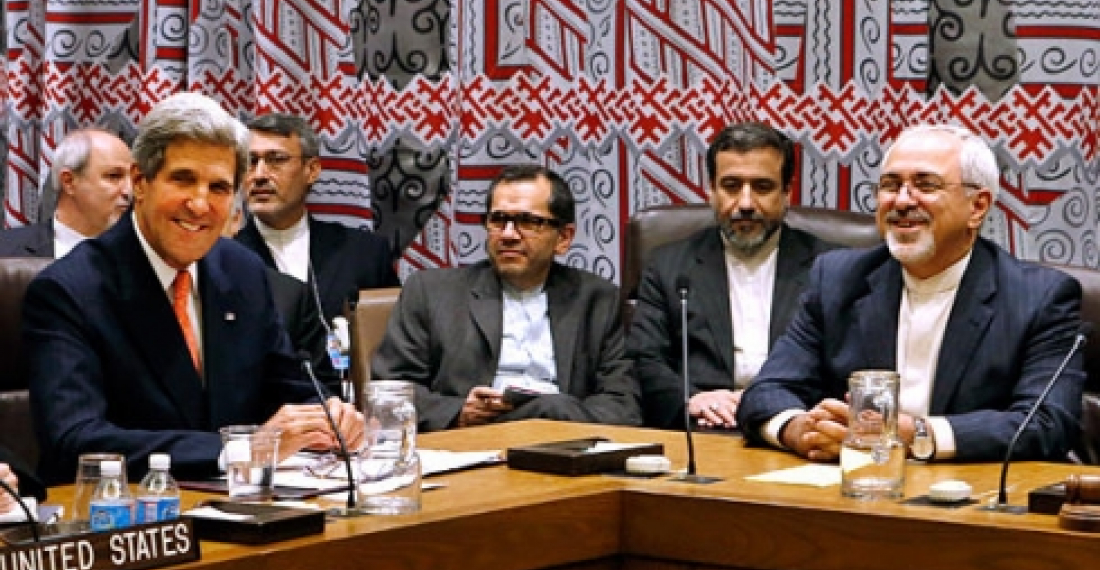
Фото: Должностные лица США и Ирана на заседании в Лозанне, 2 апреля 2015

Related articles

Editor's choice
News
Borrell tells the European Parliament that the situation in Afghanistan was critical, but the EU will remain engaged

Borrell tells the European Parliament that the situation in Afghanistan was critical, but the EU will remain engaged

Borrell underlined that the European Union will make every effort to support the peace process and to remain a committed partner to the Afghan people. "Of course, we will have to take into account the evolving situation, but disengagement is not an option.  We are clear on that: there is no alternative to a negotiated political settlement, through inclusive peace talks.
Editor's choice
News
Germany accuses Russia of cyberattacks and disinformation campaign

Germany accuses Russia of cyberattacks and disinformation campaign

The German government holds Russia responsible for a cyberattack on German air traffic control, and for targeted disinformation campaigns before the last federal election. According to the German Foreign Office in Berlin, the incidents could be clearly attributed to the Russian military intelligence service, the GRU. In response, the Russian ambassador to Berlin was summoned to the Foreign Ministry. "We have been observing a massive increase in threatening hybrid activities by Russia for some time now," a spokesperson for the Foreign Ministry stated. These range from disinformation campaigns and espionage to cyberattacks and sabotage attempts. The aim is to divide society, sow distrust, and undermine confidence in democratic institutions. The spokesperson added that with these actions, Russia is "very concretely threatening our security, not only through its war of aggression against Ukraine, but also here in Germany."  The Foreign Ministry spokesperson explained that the cyberattack on air traffic control in August 2024 was clearly attributed to the hacker collective "APT28," known as "Fancy Bear," and to the responsibility of the Russian military intelligence service, the GRU. Furthermore, it could now be "conclusively stated" that Russia had attempted "to influence and destabilize both the last Federal election and the ongoing internal affairs of the Federal Republic of Germany." There was "absolutely irrefutable evidence" for this". The so-called "Storm 1516" campaign, which has been running since 2024, is allegedly backed by "reliable information" that the Moscow-based think tank "Center for Geopolitical Expertise" is behind it. The Center is also said to be supported by Russian military intelligence. Its primary aim is to influence democratic elections in the West. (Click the image to read more).

Popular

Editor's choice
News
Germany accuses Russia of cyberattacks and disinformation campaign

Germany accuses Russia of cyberattacks and disinformation campaign

The German government holds Russia responsible for a cyberattack on German air traffic control, and for targeted disinformation campaigns before the last federal election. According to the German Foreign Office in Berlin, the incidents could be clearly attributed to the Russian military intelligence service, the GRU. In response, the Russian ambassador to Berlin was summoned to the Foreign Ministry. "We have been observing a massive increase in threatening hybrid activities by Russia for some time now," a spokesperson for the Foreign Ministry stated. These range from disinformation campaigns and espionage to cyberattacks and sabotage attempts. The aim is to divide society, sow distrust, and undermine confidence in democratic institutions. The spokesperson added that with these actions, Russia is "very concretely threatening our security, not only through its war of aggression against Ukraine, but also here in Germany."  The Foreign Ministry spokesperson explained that the cyberattack on air traffic control in August 2024 was clearly attributed to the hacker collective "APT28," known as "Fancy Bear," and to the responsibility of the Russian military intelligence service, the GRU. Furthermore, it could now be "conclusively stated" that Russia had attempted "to influence and destabilize both the last Federal election and the ongoing internal affairs of the Federal Republic of Germany." There was "absolutely irrefutable evidence" for this". The so-called "Storm 1516" campaign, which has been running since 2024, is allegedly backed by "reliable information" that the Moscow-based think tank "Center for Geopolitical Expertise" is behind it. The Center is also said to be supported by Russian military intelligence. Its primary aim is to influence democratic elections in the West. (Click the image to read more).


