


Армения и Азербайджан поздраивли Маргвелашвили с победой. Соседи Грузии внимательно следят, что новым возникающим видом лидера в Тбилиси.

Комментарий:

Президенты Азербайджана и Грузии были среди первых зарубежных лидеров, поздравивших с победой нового президента Грузии, Георгия Маргвелашвили, с победой в воскресных выборах. Оба стремятся наладить отношения с новым президентом перед тем, на фоне того, что премьер-министр уходит в отставку в конце этой недели. Новая политическая ситуация в Грузии ведет регион в воды, в которых он еще не плавал, и оба соседа хотят знать, как это повлияет на них.

Такоеже беспокойство можно было наблюдать десять лет назад после Революции роз Саакашвили. Но Саакашвили быстро нашел понимание с его соседями. Те, кто боялся, что он будет пытаться экспортировать революцию в Грузии не оправдались. И этому, конечно, есть ощутимые причины. Несмотря на все заверения этих трех стран они взаимосвязаны. И Армения, и Азербайджан зависят в некоторой степени от Грузии с целью их связи с внешним миром. Грузины с их стороны осведомлены о больших армянских и азербайджанских национальных меньшинствах на своей территории. Для Тбилиси хорошие отношения с Баку и Ереваном являются обязательным. Это правда, что Саакашвили за большую часть своего президентства отказался от кавказского направления и сосредоточился на отношениях с Западом. Но даже он, и позже его администрация, поняли, что региональные статус Грузии также положительно влияет для ее отношения с Европой.

Обоим, и Ильхаму Алиеву в Азербайджане, и Сержу Саргсяну в Армении, удалось построить хорошие личные отношения с Саакашвили и привыкли к нему. Сейчас они пытаются выяснить, что за новое руководство складывается в Тбилиси. Параметры этого руководство само по себе необычно. Возросшая власть премьер-министра создает различные иерархии. Обе страны отметили похвалы, которыми осыпали Грузию после президентских выборов в минувшее воскресенье западные лидеры и средства массовой информации за то, как прошли выборы. Только уход с должности президента просто может стать шаблоном. Это создает определенный дискомфорт двум соседям, которые видят политику как управляемый процесс. Грузия может быть гораздо более эффективной моделью, какой некоторые далекие западные страны никогда не смогут быть.

Маргвелашвили, и кто бы ни стал премьер-министром, когда Иванишвили уйдет в отставку в ближайшее время, безусловно, будут спешить  установить хорошие отношения с соседями. Тем не менее, у Грузии всегда будет искушение отказаться от роли и стремлений в самом регионе в пользу игры на мировой арене. Такого не должно быть. Грузия должна предложить своим соседям как лидерство и так и дружбу и должна работать больше в попытках разрядить проблемы между Арменией и Азербайджаном. Региональные инициативы трудно инициировать, но Грузия должна их продвигать. Необходимо также продолжать тесно сотрудничать с этими двумя странами на двусторонней основе. В конце концов победа  Маргвелашвили и гладкая передача политической власти в Грузии, которая началась год назад и завершится в следующем месяце, являются хорошей новостью для Армении и Азербайджана. Пора каждой из этой стран рассматривать успех другого как свою победу, а не потерю. На данный момент, мысли о том, что эти три страны могут работать вместе в гармонии могут показаться далекой сказкой. На самом деле это может произойти раньше, чем некоторые могут предположить.

Этот комментарий был подготовлен политическим редактором commonspace.eu

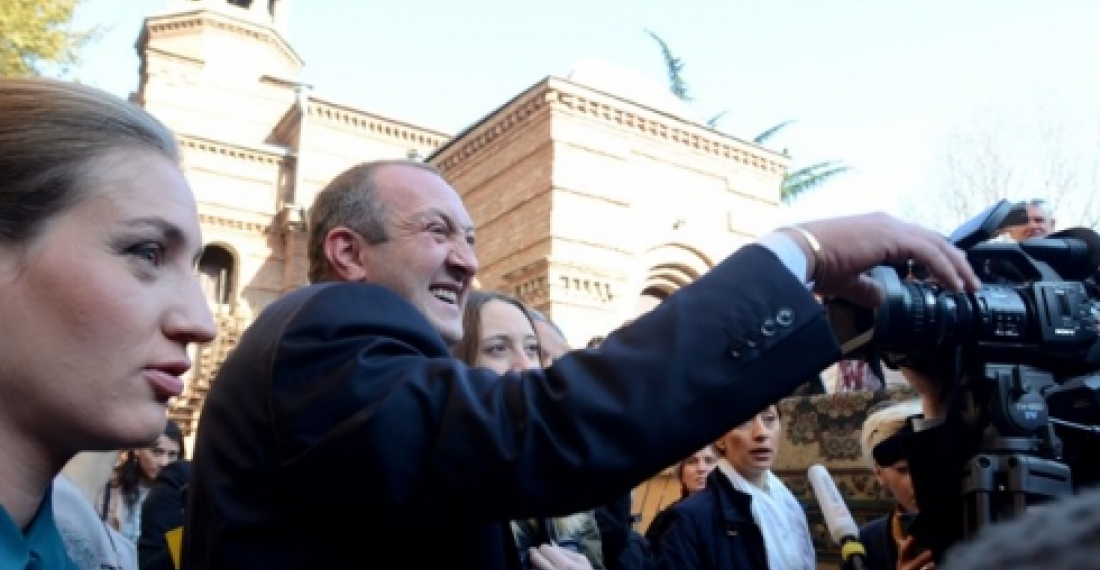
фото: Георгий Маргвелашвили в ходе избирательной кампании (фото Молли Корсо (C) commonspace.eu)

Related articles

Editor's choice
News
Germany accuses Russia of cyberattacks and disinformation campaign

Germany accuses Russia of cyberattacks and disinformation campaign

The German government holds Russia responsible for a cyberattack on German air traffic control, and for targeted disinformation campaigns before the last federal election. According to the German Foreign Office in Berlin, the incidents could be clearly attributed to the Russian military intelligence service, the GRU. In response, the Russian ambassador to Berlin was summoned to the Foreign Ministry. "We have been observing a massive increase in threatening hybrid activities by Russia for some time now," a spokesperson for the Foreign Ministry stated. These range from disinformation campaigns and espionage to cyberattacks and sabotage attempts. The aim is to divide society, sow distrust, and undermine confidence in democratic institutions. The spokesperson added that with these actions, Russia is "very concretely threatening our security, not only through its war of aggression against Ukraine, but also here in Germany."  The Foreign Ministry spokesperson explained that the cyberattack on air traffic control in August 2024 was clearly attributed to the hacker collective "APT28," known as "Fancy Bear," and to the responsibility of the Russian military intelligence service, the GRU. Furthermore, it could now be "conclusively stated" that Russia had attempted "to influence and destabilize both the last Federal election and the ongoing internal affairs of the Federal Republic of Germany." There was "absolutely irrefutable evidence" for this". The so-called "Storm 1516" campaign, which has been running since 2024, is allegedly backed by "reliable information" that the Moscow-based think tank "Center for Geopolitical Expertise" is behind it. The Center is also said to be supported by Russian military intelligence. Its primary aim is to influence democratic elections in the West. (Click the image to read more).
Editor's choice
News
NATO Chief says war is on Europe's doorstep, and warns against complacency

NATO Chief says war is on Europe's doorstep, and warns against complacency

Russia could attack a NATO country within the next five years, the Secretary General of NATO, Mark Rutte, said in a stark new warning. "NATO's own defences can hold for now," Rutte warned in Berlin, but conflict was "next door" to Europe, and he feared "too many are quietly complacent, and too many don't feel the urgency, too many believe that time is on our side. "Russia is already escalating its covert campaign against our societies," Rutte said in a speech in Germany. "We must be prepared for the scale of war our grandparents or great-grandparents endured." Earlier this month, Russia's President Vladimir Putin said his country was not planning to go to war with Europe, but it was ready "right now" if Europe wanted to - or started a war. But similar reassurances were given by Moscow in 2022, just before 200,000 Russian troops crossed the border and invaded Ukraine. Putin has accused European countries of hindering US efforts to bring peace in Ukraine - a reference to the role Ukraine's European allies have recently played in trying to change a US peace plan to end the war, whose initial draft was seen as favouring Russia. But Putin was not sincere, Nato's secretary-general said in the German capital, Berlin. Supporting Ukraine, he added, was a guarantee for European security. "Just imagine if Putin got his way; Ukraine under the boot of Russian occupation, his forces pressing against a longer border with Nato, and the significantly increased risk of an armed attack against us." Russia's economy has been on a war footing for more than three years now - its factories churn out ever more supplies of drones, missiles and artillery shells. According to a recent report by the Kiel Institute for the World Economy, Russia has been producing each month around 150 tanks, 550 infantry fighting vehicles, 120 Lancet drones and more than 50 artillery pieces. The UK, and most of its Western allies, are simply not anywhere near this point. Analysts say it would take years for Western Europe's factories to come close to matching Russia's mass-production of weapons. "Allied defence spending and production must rise rapidly, our armed forces must have what they need to keep us safe," the Nato chief said.

Popular

Editor's choice
News
Germany accuses Russia of cyberattacks and disinformation campaign

Germany accuses Russia of cyberattacks and disinformation campaign

The German government holds Russia responsible for a cyberattack on German air traffic control, and for targeted disinformation campaigns before the last federal election. According to the German Foreign Office in Berlin, the incidents could be clearly attributed to the Russian military intelligence service, the GRU. In response, the Russian ambassador to Berlin was summoned to the Foreign Ministry. "We have been observing a massive increase in threatening hybrid activities by Russia for some time now," a spokesperson for the Foreign Ministry stated. These range from disinformation campaigns and espionage to cyberattacks and sabotage attempts. The aim is to divide society, sow distrust, and undermine confidence in democratic institutions. The spokesperson added that with these actions, Russia is "very concretely threatening our security, not only through its war of aggression against Ukraine, but also here in Germany."  The Foreign Ministry spokesperson explained that the cyberattack on air traffic control in August 2024 was clearly attributed to the hacker collective "APT28," known as "Fancy Bear," and to the responsibility of the Russian military intelligence service, the GRU. Furthermore, it could now be "conclusively stated" that Russia had attempted "to influence and destabilize both the last Federal election and the ongoing internal affairs of the Federal Republic of Germany." There was "absolutely irrefutable evidence" for this". The so-called "Storm 1516" campaign, which has been running since 2024, is allegedly backed by "reliable information" that the Moscow-based think tank "Center for Geopolitical Expertise" is behind it. The Center is also said to be supported by Russian military intelligence. Its primary aim is to influence democratic elections in the West. (Click the image to read more).


