


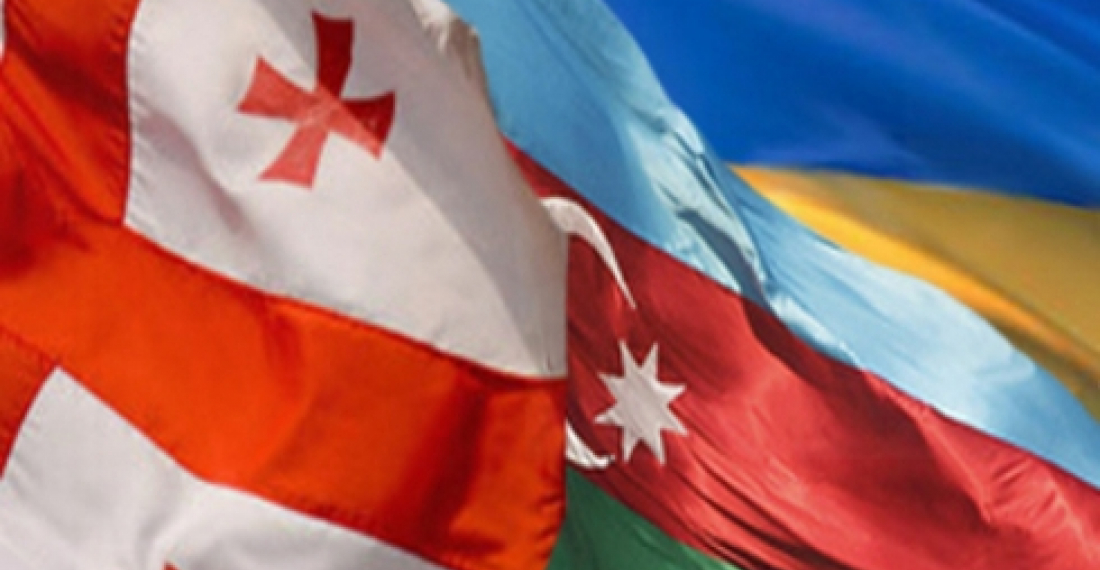
Южный Кавказ против террора

Президент Азербайджана Ильхам Алиев во вторник выразил соболезнования премьер-министру Бельгии Шарлю Мишелю.

"Глубоко опечалены известием о многочисленных жертвах и раненых в результате совершенных в Брюсселе взрывов.

Мы крайне возмущены этим чудовищным происшествием, решительно осуждаем все проявления террора и всячески поддерживаем борьбу с терроризмом.

В связи с этой трагедией от своего имени и от имени народа Азербайджана выражаю глубокие соболезнования Вам, семьям и близким погибших, всему бельгийскому народу, желаю скорейшего выздоровления раненых", - говорится в соболезновании главы государства.

Президент Серж Саргсян также направил телеграмму соболезнования Премьер-министру Королевства Бельгия Шарлю Мишелю в связи с произошедшими в международном аэропорту и метро Брюсселя взрывами.

"В этот тяжелый момент выражаю свои соболезнования и поддержку Вам, народу дружественной Бельгии и родным погибших, желая мужества духа и терпения.

Армения сурово осуждает любое проявление терроризма и обязуется внести свой вклад в международную борьбу с этим злом", - говорится в телеграмме соболезнования Президента РА.

В заявлении премьер-министра Грузии Георгия Квирикашвили говорится, что "Я поражен взрывами в аэропорту и на станции метро в Брюсселе - невинные люди стали жертвами террористических актов.

Наряду с убийствами гражданских лиц, это попытка насадить психологический террор в свободном обществе. Это жестокое преступление, на которое должен ответить весь мир и ответить надлежащим образом. В этой войне Грузия поддерживает международное сообщество. Я хотел бы выразить свои соболезнования правительству и народу Бельгии. Я желаю им силы и терпения в этот тяжелый момент."

По последним данным в результате взрывов в аэропорту и на станции метро в Брюсселе погибли 34 человека и более 130 получили ранения.

Ответственность за взрывы в Брюсселе взяла на себя ISIS.
 

Related articles

Editor's choice
News
The British prime minister says Europe must "stand on its own two feet" when it comes to defence

The British prime minister says Europe must "stand on its own two feet" when it comes to defence

The UK will deploy a carrier strike group, led by the aircraft carrier HMS Prince of Wales to the Arctic and the High North as part of efforts to bolster security against Russian threats. British prime minister, Sir Keir Starmer announced the deployment in a speech on Saturday (14 February) at the Munich Security Conference. Europe must be ready to fight to protect its people, values, and way of life,  Sir Keir told the Conference. Starmer also called for deeper links and cooperation, including economic ties, between the UK and EU. The PM stressed the continent must "stand on its own two feet" when it comes to defence commitments. "We must build our hard power, because that is the currency of the age," he told the conference. (Click image to read the full story).

Popular

Editor's choice
Interview
Thursday Interview: Murad Muradov

Thursday Interview: Murad Muradov

Today, commonspace.eu starts a new regular weekly series. THURSDAY INTERVIEW, conducted by Lauri Nikulainen, will host  persons who are thinkers, opinion shapers, and implementors in their countries and spheres. We start the series with an interview with Murad Muradov, a leading person in Azerbaijan's think tank community. He is also the first co-chair of the Action Committee for a new Armenian-Azerbaijani Dialogue. Last September he made history by being the first Azerbaijani civil society activist to visit Armenia after the 44 day war, and the start of the peace process. Speaking about this visit Murad Muradov said: "My experience was largely positive. My negative expectations luckily didn’t play out. The discussions were respectful, the panel format bringing together experts from Armenia, Azerbaijan, and Turkey was particularly valuable during the NATO Rose-Roth Seminar in Yerevan, and media coverage, while varied in tone, remained largely constructive. Some media outlets though attempted to represent me as more of a government mouthpiece than an independent expert, which was totally misleading.  Overall, I see these initiatives as important steps in rebuilding trust and normalising professional engagement. The fact that soon a larger Azerbaijani civil society visits to Armenia followed, reinforces the sense that this process is moving in the right direction." (click the image to read the interview in full)


