Стратегическое партнерство Азербайджана и Грузии

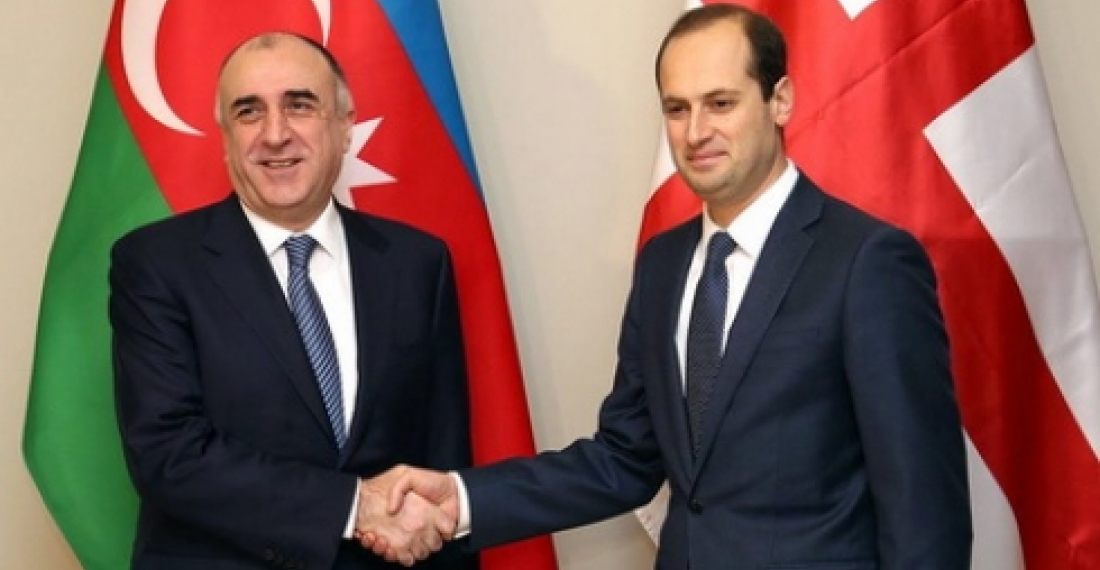
Глава МИД Грузии Михаил Джанелидзе находится с официальным визитом в Азербайджане. В ходе пресс-конференции после встречи со своим коллегой Эльмаром Мамедъяровым министр иностранных дел Грузии Михаил Джанелидзе заявил о тесных и образцовых отношениях между странами.

В частности он сказал, что две страны связывает тесное сотрудничество в энергетической сфере, напомнив, что в этом году исполняется 20 лет со времени реализации проекта Баку-Супса, а так же о том, что Азербайджан и Грузия в последние дни договорились об увелечении поставок газа в Грузию.

Джанелидзе заявил, что "в последние годы в нашей стране потребность в газе увеличилась. Азербайджан как стратегический партнер согласился увеличить объем поставляемого природного газа. Было подписано соответствующее соглашение."

Напомнив, что в Грузии оппозиция власти проводила активную кампанию против подписания соглашения с Газпромом на невыгодных для Грузии условиях. Азербайджанская сторона в последний момент помогла преодолеть этот кризис, заявив о готовности увелечения объёмов поставок газа на выгодных условиях.

Министр также упомянул строящуюся железную дорогу Баку-Тбилиси-Карс и проект "Южный газовый коридор". "Мы будем успешно сотрудничать в рамках этого проекта. Это сотрудничество также будет развиваться и в транспортной сфере. Проект Баку-Тбилиси-Карс создаст дополнительные возможности. Как результат этого сотрудничества откроется новая дорога, что станет полезным опытом для региона, стран и частного сектора." - сказал Михаил Джанелидзе.

Министр также заявил, что "мы также продолжим сотрудничать на международной арене. Обе страны поддерживают территориальную целостность и суверенитет друг друга, и, надеюсь, эта позиция будет неизменной."

Михаил Джанелидзе так же выразил надежду, "что до следующей встречи мы с Азербайджаном решим вопрос делимитации границ."

Со своей стороны Эльмар Мамедъяров заявил, что стороны обсудили перспективы развития и углубления стратегического партнерства между странами. По его словам, также были обсуждены вопросы сотрудничества в энергетической и транспортной сферах, и что стороны договорились о проведении очередного заседания комиссии по делимитации границ.

Мамедъяров так же сказал, что они со своим коллегой обсудили урегулирование нагорно-карабахского конфликта: "Мой коллега же проинформировал меня об обстановке в Южной Осетии и Абхазии. При каждой встрече азербайджанская сторона обсуждает армяно-азербайджанский нагорно-карабахский конфликт, выражает свою позицию."

Глава МИД Грузии также провел встречу с президентом Азербайджана Ильхамом Алиевым, во время которой встречи выразили удовлетворение ходом сотрудничества между странами.

источник: commonspace.eu по материалам агентств
 

Related articles

Editor's choice
News
Indian Foreign Minister meets Aliyev in Baku

Indian Foreign Minister meets Aliyev in Baku

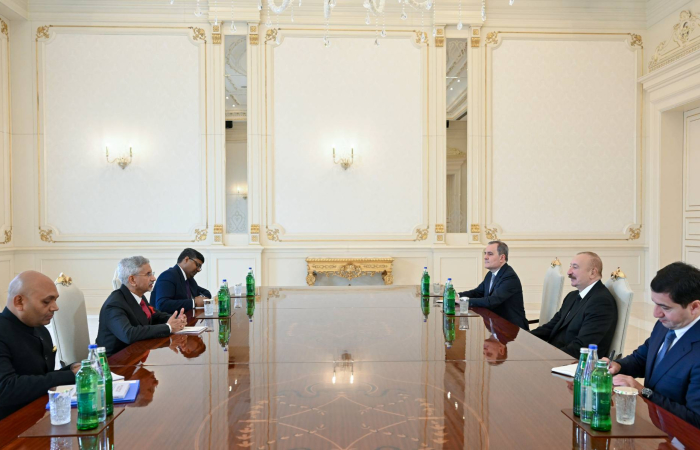
On October 23, President of the Republic of Azerbaijan Ilham Aliyev received Subrahmanyam Jaishankar, Minister of External Affairs of the Republic of India. The Minister first conveyed the greetings of Indian President Droupadi Murmu and Prime Minister Narendra Modi to the head of state. Recalling the meeting between the President of Azerbaijan and the Prime Minister of India in Bishkek, Subrahmanyam Jaishankar said that he was visiting Azerbaijan on the instructions of Prime Minister Narendra Modi. President Ilham Aliyev expressed his gratitude for the greetings and asked the Minister to convey his regards to the President and Prime Minister of India. The head of state fondly recalled his meeting with Indian Prime Minister Narendra Modi in Bishkek and the exchange of views during that meeting. President Ilham Aliyev highly appreciated the visit of India’s Minister of External Affairs to Azerbaijan on the instructions of Prime Minister Narendra Modi, stressing its importance for discussing the current state and prospects of bilateral relations. During the meeting, the sides held an extensive exchange of views on the current state of relations between Azerbaijan and India, highlighting ample opportunities to develop cooperation in areas of mutual interest. The sides noted that Azerbaijan and India, as members of the Global South, share similar positions on a number of issues on the international agenda, including matters of concern to countries of the Global South. In this regard, they discussed prospects for bilateral cooperation in political, trade and economic, high-tech, cultural, humanitarian and other fields. The conversation also touched upon the importance of cooperation within international organizations. The sides emphasized the need to intensify political contacts and organize reciprocal visits at various levels, including exchanges involving economic and business delegations, to further advance bilateral relations.

Popular

Editor's choice
Interview
Thursday Interview: Murad Muradov

Thursday Interview: Murad Muradov

Today, commonspace.eu starts a new regular weekly series. THURSDAY INTERVIEW, conducted by Lauri Nikulainen, will host  persons who are thinkers, opinion shapers, and implementors in their countries and spheres. We start the series with an interview with Murad Muradov, a leading person in Azerbaijan's think tank community. He is also the first co-chair of the Action Committee for a new Armenian-Azerbaijani Dialogue. Last September he made history by being the first Azerbaijani civil society activist to visit Armenia after the 44 day war, and the start of the peace process. Speaking about this visit Murad Muradov said: "My experience was largely positive. My negative expectations luckily didn’t play out. The discussions were respectful, the panel format bringing together experts from Armenia, Azerbaijan, and Turkey was particularly valuable during the NATO Rose-Roth Seminar in Yerevan, and media coverage, while varied in tone, remained largely constructive. Some media outlets though attempted to represent me as more of a government mouthpiece than an independent expert, which was totally misleading.  Overall, I see these initiatives as important steps in rebuilding trust and normalising professional engagement. The fact that soon a larger Azerbaijani civil society visits to Armenia followed, reinforces the sense that this process is moving in the right direction." (click the image to read the interview in full)