


Политическая оперетта Пааты Бурчуладзе

Известный оперный певец, меценат и общественный деятель, Паата Бурчуладзе, в минувший четверг объявил о создании политической партии "Государство для народа", которая примет участие в запланированных на октябрь парламентских выборах.

Такое развитие событий ни для кого не стало сюрпризом, так как в конце прошлого года господин Бурчуладзе основал общественно-политическую организацию "Фонд развития Грузии" и тогда многим было очевидно, что он готовится для прихода в политику.

Во время представления новой партии Паата Бурчуладзе обозначил намеченный политиченский курс:

"Задача состоит в следующем: мы должны изменить саму политику и тогда у нас будет шанс изменить страну ... Мы хотим стать действительным членом европейской семьи, неотъемлемой частью Европы, равными европейцам, а не нищими, коррумпированными и оккупированными", - заявил Бурчуладзе.

Он также выступил с критикой в адрес нынешних властей Грузии, заявив, что страна не должна иметь неформального правителя и жить в мире, созданном по его личным вкусам. Политик считает, что эпоха теневого правления должна быть завершена, а те кто пытается вернуть Грузию в прошлое, - должны уйти из политики.

Появление на политической арене нового игрока прокомментировал премьер-министр Грузии и лидер правящей коалиции Георгий Квирикашвили. Премьер-министр уверен в том, что высокая конкуренция только на пользу избирательному процессу. При этом, премьер выразил уверенность, что его политическая сила вне конкуренции и, что предстоящие выборы подтвердят это.

В недавнем социологическом опросе, проведенным IRI (Международный республиканский институт), Паата Бурчуладзе был назван самым желанным политиком. Его поддержало большинство опрошенных - 75%.

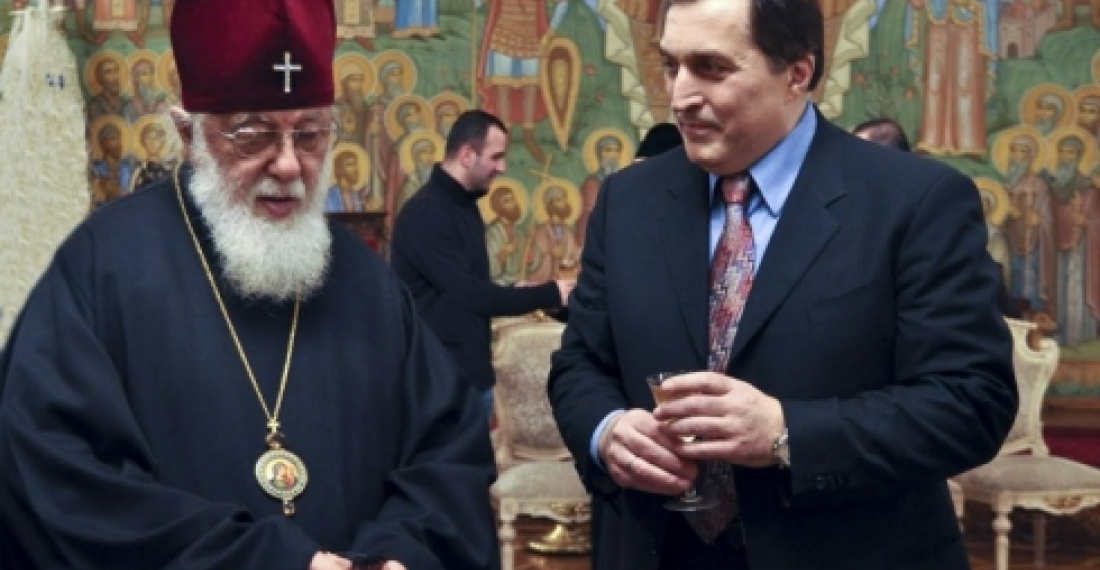
Паата Бурчулдзе поддерживает хорошие отношения с Католикос-Патриархом всея Грузии Илья II.

источник: commonspace.eu по материалам агентств

фото: Паата Бурчуладзе и Католикос-Патриарх всея Грузии Илья II.

Related articles

Editor's choice
News
The British prime minister says Europe must "stand on its own two feet" when it comes to defence

The British prime minister says Europe must "stand on its own two feet" when it comes to defence

The UK will deploy a carrier strike group, led by the aircraft carrier HMS Prince of Wales to the Arctic and the High North as part of efforts to bolster security against Russian threats. British prime minister, Sir Keir Starmer announced the deployment in a speech on Saturday (14 February) at the Munich Security Conference. Europe must be ready to fight to protect its people, values, and way of life,  Sir Keir told the Conference. Starmer also called for deeper links and cooperation, including economic ties, between the UK and EU. The PM stressed the continent must "stand on its own two feet" when it comes to defence commitments. "We must build our hard power, because that is the currency of the age," he told the conference. (Click image to read the full story).

Popular

Editor's choice
Interview
Thursday Interview: Murad Muradov

Thursday Interview: Murad Muradov

Today, commonspace.eu starts a new regular weekly series. THURSDAY INTERVIEW, conducted by Lauri Nikulainen, will host  persons who are thinkers, opinion shapers, and implementors in their countries and spheres. We start the series with an interview with Murad Muradov, a leading person in Azerbaijan's think tank community. He is also the first co-chair of the Action Committee for a new Armenian-Azerbaijani Dialogue. Last September he made history by being the first Azerbaijani civil society activist to visit Armenia after the 44 day war, and the start of the peace process. Speaking about this visit Murad Muradov said: "My experience was largely positive. My negative expectations luckily didn’t play out. The discussions were respectful, the panel format bringing together experts from Armenia, Azerbaijan, and Turkey was particularly valuable during the NATO Rose-Roth Seminar in Yerevan, and media coverage, while varied in tone, remained largely constructive. Some media outlets though attempted to represent me as more of a government mouthpiece than an independent expert, which was totally misleading.  Overall, I see these initiatives as important steps in rebuilding trust and normalising professional engagement. The fact that soon a larger Azerbaijani civil society visits to Armenia followed, reinforces the sense that this process is moving in the right direction." (click the image to read the interview in full)


