


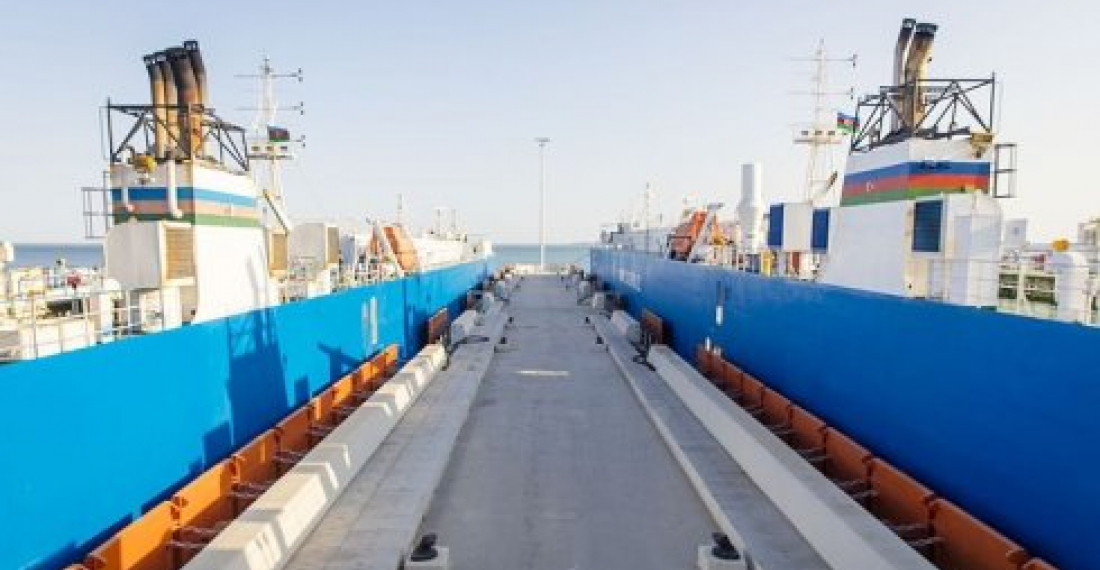
Амбициозные планы по превращению порта Баку в транспортный "супер хаб"

Генеральный директор порта Баку, Талех Зиядов, в ходе мероприятия в Европейском парламенте, в Брюсселе, сообщил, что законодательство, которое будет представлено к концу года, превратит объект в новую свободную экономическую зону с особым правовым статусом.

В среду (9 ноября), в Брюсселе, на мероприятии в Европейском парламенте были представлены амбициозные планы Азербайджана по превращению порта Баку в евразийский транспортный "супер хаб".

Исполнительный директор порта Баку, Талех Зиядов, сообщил об этих планах членам Европарламента, дипломатам, экспертам, журналистам, в ходе встречи, организованной депутатами Гезине Майснер и Иво Вайгль.

В своем выступлении, выпускник Кембриджского университета, Зиядов сообщил, что порт Баку, который существует на протяжении многих веков, будет перемещен из центра города в новый район рядом с Алят в Карадагском районе Баку. Этому месту вскоре будет присвоен статус свободной экономической зоны, аналогично СЭЗ Джебель Али в Дубае. Необходимое законодательство будет рассмотрено парламентом Азербайджана до конца текущего года. DP Worlds, дубайский глобальный оператор портами недавно подписал соглашение о предоставлении консультационных услуг по созданию зоны свободной торговли в Алят.

Талех Зиядов сказал, что цель всего этого состоит в том, чтобы превратить порт Баку в транспортный "супер хаб" между востоком и западом, севером и югом. Это будет не просто центр перевалки грузов, но в процессе мы также будем стремиться повысить ценность товаров. Проект о зоне свободной торговли предусматривает развитие транспортно-логистической отрасли, создание фармацевтического кластера, общей базы объектов для пользования нефтепродуктами, производство, упаковка, маркировка. В скором времени товары из Китая будут поставляться в страны Скандинавии через специальный транспортный коридор.

Зона свободной торговли будет иметь особый правовой статус, что позволит клиентам разрешать споры в рамках международного арбитража. "Этот проект является частью более широкой стратегии президента Азербайджан, Ильхама Алиева, по усилению не нефтяного сектора экономики страны и диверсификации ее доходов от углеводородов", добавил он.

Зиядов сообщил, что в 1994 году тогдашний президент Гейдар Алиев предвидел и дал нефтяной промышленности беспрецедентную свободу действий путем подписания соглашения о разделе продукции. Как ожидается, создание свободной экономической зоны вокруг нового порта Баку аналогичным образом откроет новую эру для Азербайджана, но на этот раз в не нефтяном секторе.

Мероприятие в Европейском парламенте было организовано депутатами Европарламента Гезине Майснер и Иво Вайгль. В коротких выступлениях оба евродепутата приветствовали данную инициативу, и сказали, что Европейский парламент будет с интересом следить за развитием ситуации вокруг проекта. На мероприятии также присутствовали посол Азербайджана в Европейском Союзе, Фуад Искандеров.

источник: commonspace.eu

фото 1: Новый порт Баку в Алят (фото из архива)

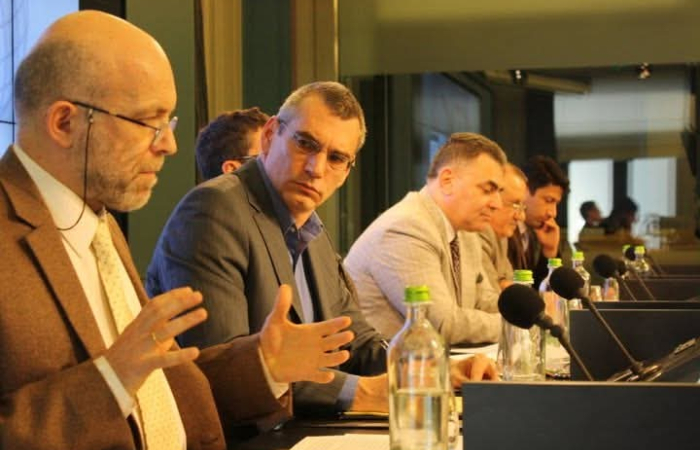
Фото 2: Евродепутаты Иво Вайгль и Гезине Майснер с послом Азербайджана в ЕС, Фуадом Искандеровым и исполнительным директором порта Баку, Талехом Зиядовым, на мероприятии, состоявшемся в Европейском парламенте в среду, 9 ноября 2016.
 

Related articles

Editor's choice
News
Borrell tells the European Parliament that the situation in Afghanistan was critical, but the EU will remain engaged

Borrell tells the European Parliament that the situation in Afghanistan was critical, but the EU will remain engaged

Borrell underlined that the European Union will make every effort to support the peace process and to remain a committed partner to the Afghan people. "Of course, we will have to take into account the evolving situation, but disengagement is not an option.  We are clear on that: there is no alternative to a negotiated political settlement, through inclusive peace talks.
Editor's choice
News
Germany accuses Russia of cyberattacks and disinformation campaign

Germany accuses Russia of cyberattacks and disinformation campaign

The German government holds Russia responsible for a cyberattack on German air traffic control, and for targeted disinformation campaigns before the last federal election. According to the German Foreign Office in Berlin, the incidents could be clearly attributed to the Russian military intelligence service, the GRU. In response, the Russian ambassador to Berlin was summoned to the Foreign Ministry. "We have been observing a massive increase in threatening hybrid activities by Russia for some time now," a spokesperson for the Foreign Ministry stated. These range from disinformation campaigns and espionage to cyberattacks and sabotage attempts. The aim is to divide society, sow distrust, and undermine confidence in democratic institutions. The spokesperson added that with these actions, Russia is "very concretely threatening our security, not only through its war of aggression against Ukraine, but also here in Germany."  The Foreign Ministry spokesperson explained that the cyberattack on air traffic control in August 2024 was clearly attributed to the hacker collective "APT28," known as "Fancy Bear," and to the responsibility of the Russian military intelligence service, the GRU. Furthermore, it could now be "conclusively stated" that Russia had attempted "to influence and destabilize both the last Federal election and the ongoing internal affairs of the Federal Republic of Germany." There was "absolutely irrefutable evidence" for this". The so-called "Storm 1516" campaign, which has been running since 2024, is allegedly backed by "reliable information" that the Moscow-based think tank "Center for Geopolitical Expertise" is behind it. The Center is also said to be supported by Russian military intelligence. Its primary aim is to influence democratic elections in the West. (Click the image to read more).

Popular

Editor's choice
News
Germany accuses Russia of cyberattacks and disinformation campaign

Germany accuses Russia of cyberattacks and disinformation campaign

The German government holds Russia responsible for a cyberattack on German air traffic control, and for targeted disinformation campaigns before the last federal election. According to the German Foreign Office in Berlin, the incidents could be clearly attributed to the Russian military intelligence service, the GRU. In response, the Russian ambassador to Berlin was summoned to the Foreign Ministry. "We have been observing a massive increase in threatening hybrid activities by Russia for some time now," a spokesperson for the Foreign Ministry stated. These range from disinformation campaigns and espionage to cyberattacks and sabotage attempts. The aim is to divide society, sow distrust, and undermine confidence in democratic institutions. The spokesperson added that with these actions, Russia is "very concretely threatening our security, not only through its war of aggression against Ukraine, but also here in Germany."  The Foreign Ministry spokesperson explained that the cyberattack on air traffic control in August 2024 was clearly attributed to the hacker collective "APT28," known as "Fancy Bear," and to the responsibility of the Russian military intelligence service, the GRU. Furthermore, it could now be "conclusively stated" that Russia had attempted "to influence and destabilize both the last Federal election and the ongoing internal affairs of the Federal Republic of Germany." There was "absolutely irrefutable evidence" for this". The so-called "Storm 1516" campaign, which has been running since 2024, is allegedly backed by "reliable information" that the Moscow-based think tank "Center for Geopolitical Expertise" is behind it. The Center is also said to be supported by Russian military intelligence. Its primary aim is to influence democratic elections in the West. (Click the image to read more).

