МНЕНИЕ: Анри Рено "1915 год – это открытая рана, которая не заживает, пока кампания по отрицанию Геноцида продолжается"

Отношения между Арменией и Францией достигли своего апогея после принятия законопроекта о криминализации отрицания геноцидов, в том числе Геноцида армян в Сенате Франции. Как Вы в целом оцените это событие?

Отношения Армении и Франции охватывают более широкий контекст. Вопрос о криминализации отрицания Геноцида армян обсуждался уже после принятия 29 января 2001 года закона, которым Франция публично признала Геноцид армян. Этим решением Франция пожелала защитить на ее территории своих граждан, положив конец оспариванию или приуменьшению факта преступления геноцида в том виде, в котором он прописан в статье 211-1 Уголовного кодекса.

В редакции закона не упоминается ни одно историческое событие и ни одна страна. Закон призван, в целом, защитить оскорбленную память, и во Франции будет применен только в случае чрезмерно оскорбительных заявлений. В таком виде он отвечает ожиданиям большого числа наших сограждан, имеющих армянские корни, для которых 1915 год - это открытая рана. Эта рана, которая не заживает, пока кампания по отрицанию геноцида продолжается.

Вы в курсе, что со стороны группы депутатов поданы два иска в Конституционный Совет, который должен к концу месяца придать решению юридическую силу. В Армении этот закон со стороны различных политических сил был воспринят как решающий этап в деле почти 100-летней борьбы против отрицания геноцида. По этому случаю, много армян пожелали выразить благодарность Франции.

Что Вы думаете о резкой реакции и угрозах Анкары о введении санкций в отношении военных, экономических и политических связей с Францией?

Турция является союзником Франции и важным партнером, с которым на протяжении многих лет стороны фиксировали существенный прогресс во всех сферах. Мы всегда работали вместе как в деле развития двусторонних отношений, так и в рамках НАТО или Большой восьмерки. Прилагали общие усилия, направленные на прекращение насилия в Сирии, установлении мира и стабильности в Афганистане, а также в программах развития сотрудничества со странами Средиземноморья. В сложившихся обстоятельствах, мы склоняется к диалогу, а также к тому, чтобы сохранить путь к взаимовыгодному сотрудничеству, к активному торговому сотрудничеству, поскольку Франция является третьем по величине иностранным инвестором в Турции, а французские предприятия обеспечивают 100 тысяч рабочих мест в стране.

Что Париж намерен делать, чтобы укрепить свою позицию в данном вопросе и нейтрализовать негативные последствия ультиматума, выдвинутого Анкарой?

Мы сторонники того, чтобы поддерживать с Турцией мирные отношения. Франция призвала власти Турции воздержаться от «сверхпротиводействия» и необходимости ценить только всю глубину двусторонних отношений.

Что Вы думаете об обвинениях глав правящих партий Азербайджана, назвавших позицию Францию "небеспристрастной", указав на необходимость отозвать Францию из Минской группы ОБСЕ?

Азербайджан не представлял обращения с тем, чтобы Францию исключили из посреднической миссии Минской группы. Наоборот, 23 января в Сочи, президенты Армении, России, а также Азербайджана дали высокую оценку посредническим усилиям стран-сопредседателей МГ ОБСЕ. Было выражено желание, чтобы Россия, США и Франция продолжили играть активную роль в процессе урегулирования конфликта, пока в регионе не установится мир и стабильность.

Беседовала Оксана Мусаелян

АрмИнфо

13.02.12.
Related articles

Editor's choice
News
Uzbekistan strengthens its relations with China and US

Uzbekistan strengthens its relations with China and US

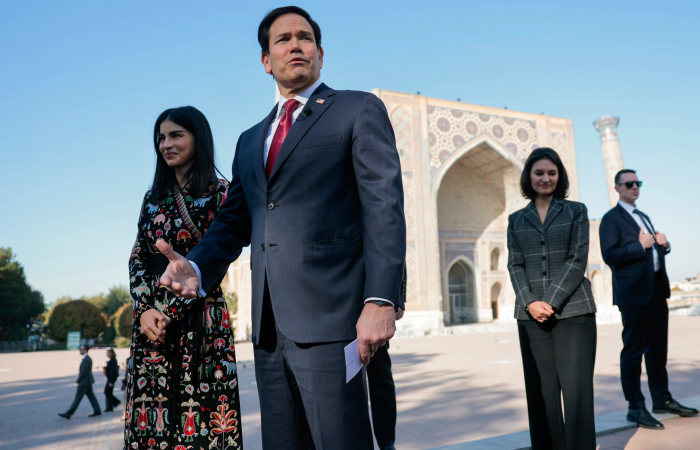
In recent days, Uzbekistan welcomed the Chinese and American governments in quick succession. During Chinese Premier Li Qiang’s visit on 17-18 October, the Uzbek presidential administration said that joint projects backed by firm agreements had reached nearly $60 billion. US Secretary of State Marco Rubio then arrived in Samarkand for C5+1 talks, accompanied at the time by American business leaders seeking contracts, particularly in critical minerals. During the visit, Uzbekistan announced 54 agreements covering trade, investment, and technology. The agreements are said to be worth a total of $12 billion, according to Uzbekistan’s Ministry of Investment, Industry and Trade. However, China still accounts for 23% of Uzbekistan’s foreign trade in January-August 2026, while US goods trade with Uzbekistan totalled at $1.05 billion in 2025, which is less than a fifteenth of the value of its trade with China. Rubio said Washington was not asking Central Asian countries to stop cooperating with other partners, but would instead compete for investment. Tashkent is likely to welcome investment from both sides, but the trade gap shows how challenging it will be if it were to decrease its dependence on Beijing. “Chinese Premier Li Qiang visited Uzbekistan on October 17–18, just ahead of United States Secretary of State Marco Rubio, who arrived in Samarkand on October 18 with a delegation of American business leaders seeking new contracts. While China already has a substantial presence in Uzbek manufacturing and energy, Washington is seeking to expand American involvement in critical minerals and technology. The visits highlight the growing competition between the world’s two largest economies for influence in Central Asia. On October 17, President Shavkat Mirziyoyev received Li Qiang. According to the Uzbek presidential administration, the portfolio of joint projects backed by firm agreements has reached nearly $60 billion. More than 6,000 joint ventures with Chinese participation have been established in Uzbekistan. (...) Construction of the China–Kyrgyzstan–Uzbekistan railway was another topic of discussion. Work officially began in December 2024. The route will cross mountainous areas of Kyrgyzstan and connect the railway networks of China and Uzbekistan. The 304-kilometer section through Kyrgyzstan alone is estimated to cost $4.7 billion and will require 50 bridges and 29 tunnels. (...) On October 19, Rubio attended talks in Samarkand under the C5+1 format, bringing together the U.S. and Kazakhstan, Kyrgyzstan, Tajikistan, Turkmenistan, and Uzbekistan. Rubio said nearly 300 American businesses were represented in Samarkand. Companies were discussing agreements potentially worth billions of dollars, with concrete announcements expected following the meetings. Among Washington’s priorities are critical minerals used in advanced technologies, including electronics and batteries.”

Popular

Editor's choice
Interview
Thursday Interview: Murad Muradov

Thursday Interview: Murad Muradov

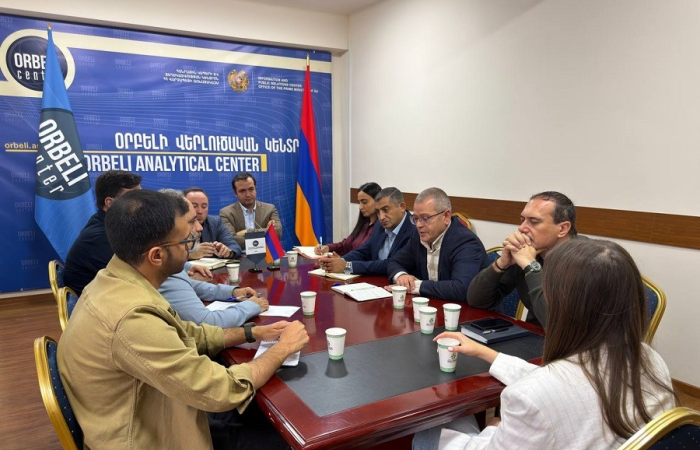
Today, commonspace.eu starts a new regular weekly series. THURSDAY INTERVIEW, conducted by Lauri Nikulainen, will host  persons who are thinkers, opinion shapers, and implementors in their countries and spheres. We start the series with an interview with Murad Muradov, a leading person in Azerbaijan's think tank community. He is also the first co-chair of the Action Committee for a new Armenian-Azerbaijani Dialogue. Last September he made history by being the first Azerbaijani civil society activist to visit Armenia after the 44 day war, and the start of the peace process. Speaking about this visit Murad Muradov said: "My experience was largely positive. My negative expectations luckily didn’t play out. The discussions were respectful, the panel format bringing together experts from Armenia, Azerbaijan, and Turkey was particularly valuable during the NATO Rose-Roth Seminar in Yerevan, and media coverage, while varied in tone, remained largely constructive. Some media outlets though attempted to represent me as more of a government mouthpiece than an independent expert, which was totally misleading.  Overall, I see these initiatives as important steps in rebuilding trust and normalising professional engagement. The fact that soon a larger Azerbaijani civil society visits to Armenia followed, reinforces the sense that this process is moving in the right direction." (click the image to read the interview in full)