


Как сильно они обеспокоены? Азербайджанские активисты поиздевались в социальных сетях над недавним заявлением европейских лидеров о ситуации с правами человека в Азербайджане.

Азербайджанские активисты поиздевались в социальных сетях над недавним заявлением европейских лидеров о ситуации с правами человека в Азербайджане, которую они считают неадекватной. Но стоит ли Азербайджанскому правительству беспокоится об этом всерьез?

За последние несколько дней Азербайджан подвергся критике со стороны ряда европейских политиков и государственных деятелей касательно ситуации с правами человека и, в частности, из-за ареста и допроса активистов. Критика прозвучала в момент когда Азербайджан готовится взять на себя 14 мая председательство в Совете Европы. Совет Европы считается основным государственным институтом по надзору за сюблюдением прав человека на европейском континенте.

В понедельник (5 мая), Верховный представитель ЕС Кэтрин Эштон и Комиссар по вопросам расширения Штефан Фюле выступили с совместным заявлением:

"Верховный представитель и комиссар глубоко обеспокоены задержанием 19 апреля Рауфа Миркадырова и допросом 29 апреля Арифа Юнуса и Лейлы Юнус, известных азербайджанских правозащитников. Они отмечают, что шаги, предпринятые властями Азербайджана в последние недели, кажется, нацелены на гражданских активистов, которые выступают за уважение прав человека, верховенства закона и основных свобод в Азербайджане, а также за налаживание диалога между людьми - важный компонент примирения и разрешения конфликтов. Это те области, которые лежат в основе политики ЕС в регионе. ЕС настоятельно призывает правительство Азербайджана уважать обязанности и обязательства, принятые Азербайджаном как членом Совета Европы и действовать в соответствии с рекомендациями Комиссара Совета Европы по правам человека Нилса Муйжниекса, недавно опубликованными в докладе по Азербайджану."

Однако, через несколько часов после заявления, суд в Азербайджане приговорил нескольких молодых людей к длительному тюремному заключению за попытку организовать мирные протесты в прошлом году. Это вызвало дальнейшую реакцию. В заявлении Министра по делам Европы Министерства иностранных дел и по делам содружества наций Великобритании Дэвида Лидингтона опубликованном во вторник (6 мая) говорится:

"Я глубоко обеспокоен приговором 6-8 лет лишения свободы, назначенным восьми членам молодежного движения азербайджанского молодежного движения NIDA Civic. Мы проводили мониторинг в течение всего судебного разбирательства. Министр иностранных дел выразил обеспокоенность по поводу задержания членов молодежного движения NIDA во время его визита в Баку в декабре 2013 года.

Я особенно обеспокоен сообщениями о недостатках во время судебного процесса над этими активистами за якобы организацию массовых беспорядков и незаконное хранение огнестрельного оружия и наркотиков. Великобритания и впредь будет проявлять свою обеспокоенность по поводу тревожной тенденции политически мотивированных арестов в Азербайджане."

Правительство Азербайджана отрицает эти обвинения, называя критику в заявлении Эштон и Фюле, как «абсолютно неприемлемой». Агентство AПA во вторник процитировало главу пресс-службы МИД Азербайджана Эльмана Абдуллаева, заявившего, что:

"Заявление пресс-секретарей верховного представителя Евросоюза и комиссара Евросоюза по политике соседства от 3 мая 2014 года носит политический характер, не отражает реальности, а также является попыткой исказить истинную суть уголовного дела Рауфа Миркадырова и приглашения на этот процесс в качестве свидетелей Лейлы Юнус и Арифа Юнуса." Он отметил, что начатое расследование Управлением Генеральной прокуратуры Азербайджанской Республики не имеет отношения к их журналистской или гражданской деятельности.

"Высказывание каких-либо соображений и озвучивание заявлений по политическим мотивам в то время, когда следствие по делу все еще продолжается, является ничем иным, как вмешательством в ход следствия и давлением на него. Это категорически неприемлемо также с точки зрения верховенства закона. Как известно, Азербайджан всегда поддерживал диалог между азербайджанской и армянской общинами Нагорно-Карабахского региона Азербайджанской Республики. Мы верим, что диалог между общинами внесет свой основательный вклад в мирный процесс с точки зрения формирования взаимопонимания и доверия."

В то же время правозащитники в Азербайджане в социальных медиа стали насмешиваться над злоупотреблением слова "заинтересованный" европейскими чиновниками и политиками при описании ситуации в Азербайджане, и настаивают на том, что ответ является неадекватным, учитывая серьезность ситуации

Политический редактор Commonspace.eu сообщает:

Нет никаких сомнений, что частое использование слова "заинтересованны" в официальных заявлениях, особенно в тех, которые опубликованны официальными европейскими институтами, как правило, уменьшает их значимость. Однако, эти заявления не являются экспромтом. Они отражают полный анализ ситуации в Азербайджане со стороны правительств и учреждений, которые публикуют их. Следовательно, они теперь определяют официальную позицию по отношению к правительству Азербайджана с последствиями для отношении на всех уровнях. Последствия будут значительнее, и не ограничаться только имиджем Азербайджана. Может быть, самое время правительству Азербайджана "обеспокоиться серьезно".

источник: commonspace.eu

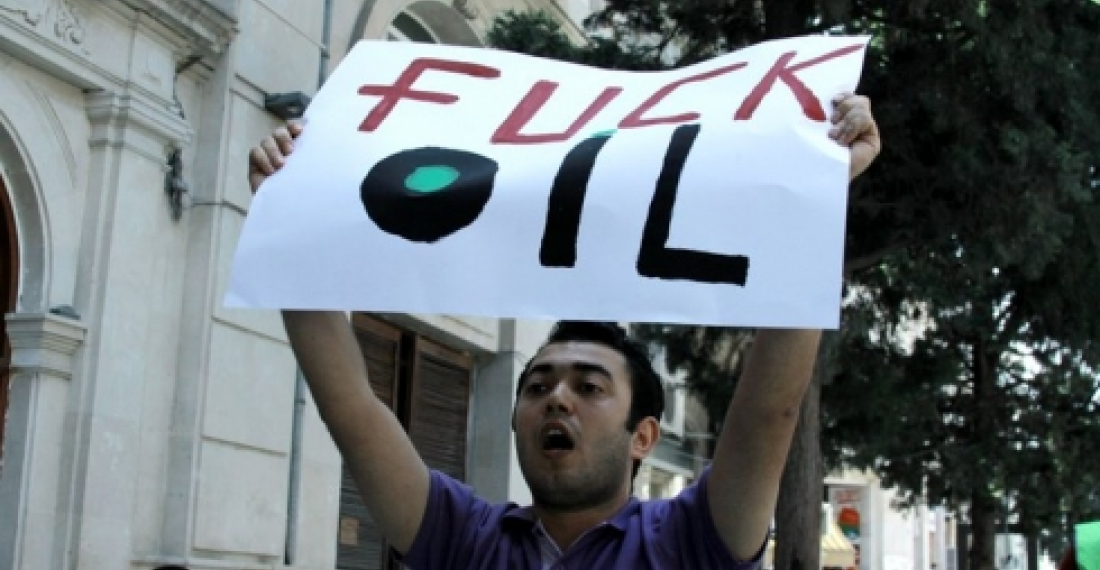
фото: Азербайджанские активисты обвиняют запад в его зависимости от экспорта азербайджанской нефти из-за недостаточно сильной позиции по ситуации с правами человека. Акции протеста в Баку.

Related articles

Editor's choice
News
COP 17 in Armenia

COP 17 in Armenia

Armenia is currently hosting the COP17 conference of the Convention on Biological Diversity, which began earlier this week (19 October) and will run until 30 October, bringing around 15,000 participants from 196 different countries to Yerevan. At a leaders' summit held as part of COP17, Prime Minister Nikol Pashinyan expressed realistic ambitions: “We are halfway towards achieving these goals (Kunming-Montreal Global Biodiversity Framework), and we must honestly acknowledge that we are not yet moving in the right direction. Our task now is not to make new promises, but to fulfil the commitments we have already made.” Pashinyan pointed towards Armenia's own records, noting that the whitefish stock in Lake Sevan has increased substantially in the last ten years. Iranian President Masoud Pezeshkian and Georgian Prime Minister Irakli Kobakhidze also addressed the summit, with Turkiye sending its agriculture minister. However, there were no reports of Azerbaijani representatives attending. The conference has given Yerevan a valuable international platform, yet the absence of Azerbaijan is likely to be read as a sign that the peace process in the South Caucasus has not yet been translated into wider regional cooperation. The leaders' summit was opened by Armenian Prime Minister Nikol Pashinyan, who stressed that hosting the conference was a great honour for Armenia. He expressed hope that it would 'be productive and contribute to protecting our planet's biodiversity'. 'We – the citizens of Armenia, the government, state authorities and local governments – owe a debt to our nature,' the prime minister said. He noted that the international community had already developed the concept of 'living in harmony with nature’ and adopted the Kunming-Montreal Global Biodiversity Framework in 2022, setting out goals and specific targets to be achieved by 2030. 'We are halfway towards achieving these goals, and we must honestly acknowledge that we are not yet moving in the right direction. Our task now is not to make new promises, but to fulfil the commitments we have already made,' Nikol Pashinyan said. The COP17 conference is expected to adopt a declaration at leaders' level. More than 30 documents are scheduled for discussion. If approved, the commitments set out in them will become legally binding on countries that are parties to the Convention on Biological Diversity.”
Editor's choice
News
Landmines present to the European Union both a contradiction and a dilemma

Landmines present to the European Union both a contradiction and a dilemma

Finland’s decision to buy one million landmines creates a serious contradiction in the policy of the European Union, and is symbolic of a bigger dilemma facing European countries as they get used to the need to acquire “hard” power to face an increasing threat from Russia. Finland is seeking to acquire one million anti-personnel mines at a cost of 100 million euros. Finland, together with Poland, Latvia, Lithuania and Estonia last year abandoned the Ottawa agreement, the international framework that bans the use of anti-personnel mines, which the EU had been instrumental in establishing and supporting. All five countries cite the threat from Moscow as the reason. Colonel Riku Mikkonen of the Army Command told Finland’s national news agency STT that officials are now gathering information from suppliers regarding the deal, the AFP news agency reports. Helsinki would like domestic manufacturers to supply the mines, with contracts signed by the end of 2027 and production up and running by 2028. “It would be useful in many ways if Finnish companies produced the anti-personnel mines in Finland,” Mikkonen said. About half a dozen Finnish firms qualify, he told STT. “However, at this stage, buying the mines from abroad is not totally ruled out,” he added. LANDMINES PROVIDE THE EU WITH BOTH A CONTRADICTION, AND A DILEMMA Eliminating landmine contamination worldwide is one of the EU’s main soft power postures, and it basks in its record as the biggest funder of anti-landmine action in the world. But the fact that 5 of its 27 member states  have now left the Ottawa Treaty dents the EU moral high ground. It is a contradiction that is too big and important to be ignored. It also presents the European Union with a deeper dilemma. The threat from Russia is changing what the EU has stood for decades, namely a force for good able to mobilise its considerable soft power for the greater good of humanity. How the Union will implement this change will define its future. In the meantime landmines have not become any less lethal, benign, or unimportant. They remain in many parts of the world a major threat to life, an impediment to prosperity, and a potential trigger to further conflict. The 22 EU members states that still adhere to the Ottawa treaty must regroup, and be more assertive in their quest against anti-personnel land mines. All the reasons why they supported the Ottawa treaty in the first place still exist. The message must be clear: NO TO LANDMINES!

Popular

Editor's choice
Interview
Thursday Interview: Murad Muradov

Thursday Interview: Murad Muradov

Today, commonspace.eu starts a new regular weekly series. THURSDAY INTERVIEW, conducted by Lauri Nikulainen, will host  persons who are thinkers, opinion shapers, and implementors in their countries and spheres. We start the series with an interview with Murad Muradov, a leading person in Azerbaijan's think tank community. He is also the first co-chair of the Action Committee for a new Armenian-Azerbaijani Dialogue. Last September he made history by being the first Azerbaijani civil society activist to visit Armenia after the 44 day war, and the start of the peace process. Speaking about this visit Murad Muradov said: "My experience was largely positive. My negative expectations luckily didn’t play out. The discussions were respectful, the panel format bringing together experts from Armenia, Azerbaijan, and Turkey was particularly valuable during the NATO Rose-Roth Seminar in Yerevan, and media coverage, while varied in tone, remained largely constructive. Some media outlets though attempted to represent me as more of a government mouthpiece than an independent expert, which was totally misleading.  Overall, I see these initiatives as important steps in rebuilding trust and normalising professional engagement. The fact that soon a larger Azerbaijani civil society visits to Armenia followed, reinforces the sense that this process is moving in the right direction." (click the image to read the interview in full)

