


Голосование закончилось. Cообщений о насилии в ходе голосования не поступало, но растёт озабоченность из-за многоразового голосования и подкупа голосов.
Голосование на парламентских выборах в Армении закончилось.

Предварительные данные указывают, что выборы прошли мирно и без серьезных инцидентов.

В течение дня поступали сообщения о переполненности избирательных участков, о взятках избирателям за голосование за конкретную партию и повторного голосования одними теми же лицами. Пока не ясно, были ли это отдельные случаи или они носили более широкий характер.

В течение дня была озабоченность по поводу чернил для отметки документов, удостоверяющих личность избирателей, которые должны были гарантировать, что люди проголосуют только один раз. Сообщения из многих избирательных участков свидетельствуют о том, что чернила исчезают в течение нескольких минут после применения на документе.

Политический редактор Commonspace.eu говорит в комментарии, что "вопрос о чернилах становится все более серьезным, если учесть, что также было много озабоченности по поводу точности избирательных списков. Так что, если чье-то имя встречалось в списке дважды, и его документ, удостоверяющий личность, не показывал, что он уже голосовал, то такому человеку было бы очень легко проголосовать дважды. Это может быть совпадение, если это происходит в нескольких случаях, но, если имеются данные о сотнях подобных случаев, то это уже четкое указание организованной фальсификации на выборах. Отчеты по разным участкам международных и местных наблюдателей в этом случае будут иметь большое значение, поскольку они восстановят полную картину ситуации".

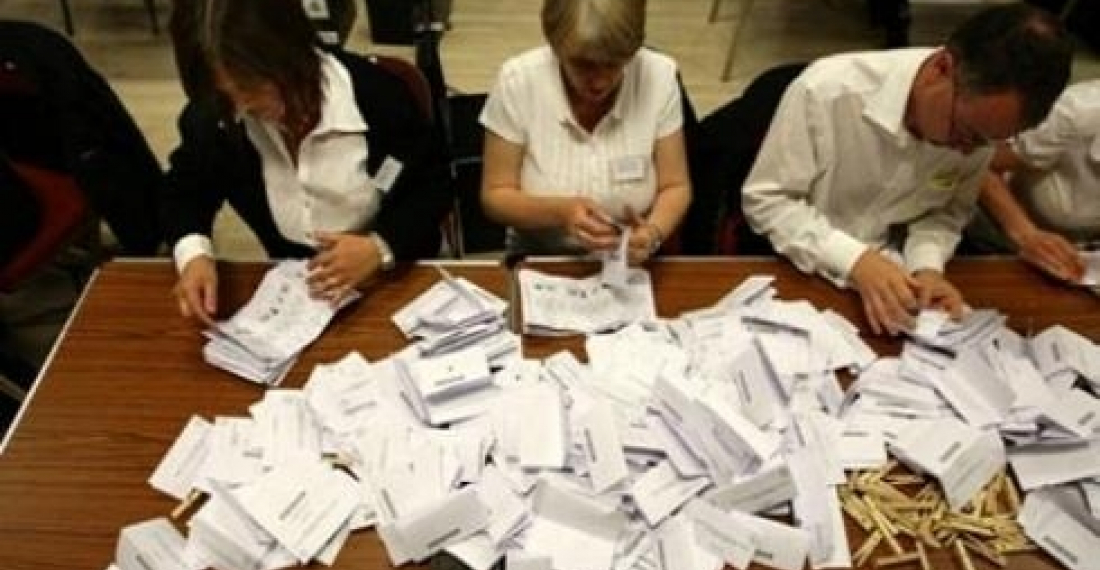
Внимание теперь переходит к подсчету голосов, область, которая в прошлом также была проблематичной в Армении и в других странах постсоветского пространства. Подсчет, как ожидается, будет идти в течение всей ночи и результаты вряд ли будут известны до завтрашнего утра.

Источник: commonspace.eu

Фото: Подсчет голосов на европейских выборах (фото из архива).

Related articles

Editor's choice
News
The British prime minister says Europe must "stand on its own two feet" when it comes to defence

The British prime minister says Europe must "stand on its own two feet" when it comes to defence

The UK will deploy a carrier strike group, led by the aircraft carrier HMS Prince of Wales to the Arctic and the High North as part of efforts to bolster security against Russian threats. British prime minister, Sir Keir Starmer announced the deployment in a speech on Saturday (14 February) at the Munich Security Conference. Europe must be ready to fight to protect its people, values, and way of life,  Sir Keir told the Conference. Starmer also called for deeper links and cooperation, including economic ties, between the UK and EU. The PM stressed the continent must "stand on its own two feet" when it comes to defence commitments. "We must build our hard power, because that is the currency of the age," he told the conference. (Click image to read the full story).

Popular

Editor's choice
Interview
Thursday Interview: Murad Muradov

Thursday Interview: Murad Muradov

Today, commonspace.eu starts a new regular weekly series. THURSDAY INTERVIEW, conducted by Lauri Nikulainen, will host  persons who are thinkers, opinion shapers, and implementors in their countries and spheres. We start the series with an interview with Murad Muradov, a leading person in Azerbaijan's think tank community. He is also the first co-chair of the Action Committee for a new Armenian-Azerbaijani Dialogue. Last September he made history by being the first Azerbaijani civil society activist to visit Armenia after the 44 day war, and the start of the peace process. Speaking about this visit Murad Muradov said: "My experience was largely positive. My negative expectations luckily didn’t play out. The discussions were respectful, the panel format bringing together experts from Armenia, Azerbaijan, and Turkey was particularly valuable during the NATO Rose-Roth Seminar in Yerevan, and media coverage, while varied in tone, remained largely constructive. Some media outlets though attempted to represent me as more of a government mouthpiece than an independent expert, which was totally misleading.  Overall, I see these initiatives as important steps in rebuilding trust and normalising professional engagement. The fact that soon a larger Azerbaijani civil society visits to Armenia followed, reinforces the sense that this process is moving in the right direction." (click the image to read the interview in full)


