


Британский эксперт: При всех своих недостатках и проблемах ЕС для стран Южного Кавказа лучше и эффективнее Таможенного союза и проекта Евразийского союза

Ереван, 30.11.12. АрмИнфо.

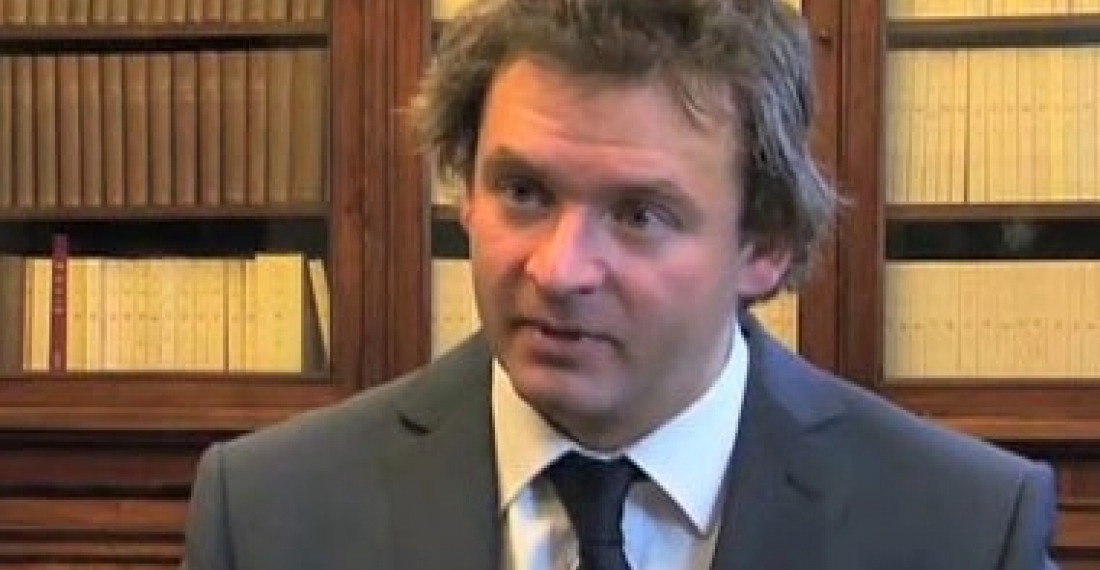
При всех своих недостатках и финансовых проблемах Евросоюз для стран Южного Кавказа лучше и эффективнее Таможенного союза и проекта Евразийского союза, являющихся проектами КремляМосквы. Подобное мнение 30 ноября в Ереване во время форума "Динамика региональной безопасности на Южном Кавказе" выразил аналитик, руководитель российских и евразийских программ британского центра Chatham House Джеймс Никси.

По его словам, Россией сегодня управляют далеко не либеральные политики, и это обстоятельство имеет важное значение в плане экономического сотрудничества между Москвой и партнерами. Никси уверен, что перспективы возможного вступления в Таможенный либо Евразийский союз хотя бы одной из стран Южного Кавказа, на самом деле не такие уж и привлекательные, как может показаться на первый взгляд.

"Европейский союз сегодня является наиболее эффективным интеграционным проектом из всех существующих проектов в мире, и хотя в настоящий момент ЕС сталкивается с многочисленными трудностями экономического, финансового характера, придет время, и это время близко, когда ЕС встанет на ноги, учтет ошибки прошлого и станет более сильным и надежным партнером и игроком. Руководство ЕС - это компетентные люди, они найдут выход из существующей ситуации", - заявил Никси.

Вместе с тем, по словам эксперта, в своей политике в отношении Южного Кавказа ЕС не всегда последователен, зачастую он сам путается в своих приоритетах, будь то экономические интересы, система безопасности, либо продвижение демократии, прав человека. По мнению Никси, было бы целесообразнее уделить большее внимание интеграции стран Южного Кавказа в рамках программы "Восточного партнерства". "Те 600 млн. евро, которые мы намерены выделить странам-участницам программы, ни в какое сравнение не идут с теми колоссальными средствами, которые Брюссель направляет на то, чтобы вытащить Грецию из кризиса. Думаю, что руководству ЕС следовало бы активизировать свою работу с государствами Южного Кавказа и способствовать разрешению конфликтных ситуаций здесь", - подытожил аналитик.

Related articles

Editor's choice
News
The British prime minister says Europe must "stand on its own two feet" when it comes to defence

The British prime minister says Europe must "stand on its own two feet" when it comes to defence

The UK will deploy a carrier strike group, led by the aircraft carrier HMS Prince of Wales to the Arctic and the High North as part of efforts to bolster security against Russian threats. British prime minister, Sir Keir Starmer announced the deployment in a speech on Saturday (14 February) at the Munich Security Conference. Europe must be ready to fight to protect its people, values, and way of life,  Sir Keir told the Conference. Starmer also called for deeper links and cooperation, including economic ties, between the UK and EU. The PM stressed the continent must "stand on its own two feet" when it comes to defence commitments. "We must build our hard power, because that is the currency of the age," he told the conference. (Click image to read the full story).

Popular

Editor's choice
Interview
Thursday Interview: Murad Muradov

Thursday Interview: Murad Muradov

Today, commonspace.eu starts a new regular weekly series. THURSDAY INTERVIEW, conducted by Lauri Nikulainen, will host  persons who are thinkers, opinion shapers, and implementors in their countries and spheres. We start the series with an interview with Murad Muradov, a leading person in Azerbaijan's think tank community. He is also the first co-chair of the Action Committee for a new Armenian-Azerbaijani Dialogue. Last September he made history by being the first Azerbaijani civil society activist to visit Armenia after the 44 day war, and the start of the peace process. Speaking about this visit Murad Muradov said: "My experience was largely positive. My negative expectations luckily didn’t play out. The discussions were respectful, the panel format bringing together experts from Armenia, Azerbaijan, and Turkey was particularly valuable during the NATO Rose-Roth Seminar in Yerevan, and media coverage, while varied in tone, remained largely constructive. Some media outlets though attempted to represent me as more of a government mouthpiece than an independent expert, which was totally misleading.  Overall, I see these initiatives as important steps in rebuilding trust and normalising professional engagement. The fact that soon a larger Azerbaijani civil society visits to Armenia followed, reinforces the sense that this process is moving in the right direction." (click the image to read the interview in full)

