Азербайджанские активисты общественной дипломатии выступают за прозрачность. Официальный Баку считает, что общественная дипломатия не нужна.

Активисты гражданского общества Азербайджана, которые вовлечены или были вовлечены в проекты общественной дипломатии совместно с коллегами из Армении, все чаще выбирают прозрачность, как лучшее средство защитить себя от обвинений в государственной измене со стороны официальных структур.

В последние годы правительство Азербайджана проявляло терпение к инициативам, когда армяне и азербайджанцы проводили совместные встречи для  начала диалога между обществами и установления доверия, которое считается необходимым для решения Карабахского конфликта. Встречи такого рода были организованы в десятках разных стран, реже в Армении и Азербайджане. В них принимали участие лидеры гражданского общества, журналисты и профессионалы, и также политики и члены парламента.

Однако, в последнее время власти Баку стали относится гораздо более негативнее к таким встречам и контактам. В последние недели значительно возрасла негативная риторика, особенно после ареста журналиста Рауфа Миркадырова, который был обвинен в работе на армянскую разведку после того, как он принял участие в одном из мероприятии общественной дипломатии в Ереване.

Комментируя его арест председатель комитета парламента Азербайджана по правовой политике и государственному строительству, Али Гусейнли, заявил следующее агентству АПА: "Некоторые адвокаты и правозащитники пытаются объяснить общественности деятельность арестованного по обвинению в государственной измене журналиста Рауфа Миргадирова как «народную дипломатию. Это неправильно. Общественность страны должна раз и навсегда понять, что в нынешней военной ситуации все переговоры, связанные с решением армяно-азербайджанского нагорно-карабахского конфликта, ведутся исключительно в определенных официальных".

А.Гусейнли отметил, что переговоры в связи с решением нагорно-карабахского конфликта ведутся на уровне президентов и министров иностранных дел: "Только в исключительных случаях азербайджанские парламентарии принимают участие во взаимных визитах в рамках международных организаций. Проекты, осуществляемые Западом и США под видом «народной дипломатии» не только бессмысленны, но еще и опасны. Наша общественность должна это знать. «Народная дипломатия» возможна только после того, как Армения освободит оккупированные азербайджанские территории, будет подписан мирный договор, и Армения принесет официальные извинения за совершенные на территории Азербайджана преступления, в том числе Ходжалинский геноцид. Лишь однажды после совместного заявления бывшего президента России Дмитрия Медведева и президента Азербайджана Ильхама Алиева при организационной поддержке Москвы состоялся визит группы азербайджанской интеллигенции. Но и это не имело продолжения, так как переговоры между Азербайджаном и Арменией после определенного периода опять прекратились".

Председатель комитета заявил, что контакты журналистов, представителей НПО и гражданского общества под предлогом «народной дипломатии», не могут быть эффективными: «Наоборот, история с Рауфом Миргадировым показала, что это опасно, спецслужбы Армении воспользовались этим случаем. Визиты и встречи представителей НПО, гражданского общества, а также журналистов и отдельных лиц под вывеской «народной дипломатии» непосредственно служили интересам спецслужб Армении. Возможно, это происходит без ведома самих участников». А.Гусейнли отметил, что «народную дипломатию» могут вести только лица, получившие мандат от народа.

Активисты гражданского общества как в Азербайджане так и за его пределами не вдохновились этим и на правительство была обрушена тяжелая критика по поводу ареста Миркадырова, и ареста несколько дней спустя Лейлы и Арифа Юнуса, вовремя посадки на самолет в аэропорту Баку. Политические наблюдатели отмечают, что, учитывая большой вред, который наносится имиджу Азербайджана каждый раз после таких инцидентов, заставляет задуматься, какие реальные мотивы стоят за этой новой политикой.

В то же время азербайджанские активисты пришли к выводу, что лучшая защита против таких обвинений является прозрачность. Одним из таких людей является Зардушт Ализаде, который в последние дни сообщил СМИ о его активности в общественной дипломатии в прошлом, настоящем и будущем. Ализаде сообщил АПА, что ни Конституция Азербайджана, ни любые другие законы, не запрещают «общественной дипломатии». Он также отметил, что принимает активное участие в общественной дипломатии с 1989 года и что он регулярно посещал мероприятия в России, Грузии и Армении. Ализаде сказал, что он и другие, которые участвуют в встречах общественной дипломатии не являются носителями государственной тайны. Он сказал, что цель азербайджанских участников на таких встречах - поощрение карабахских армян жить вместе в мире.

Источник: commonspace.eu по материалам АПА и других информационных агентств.

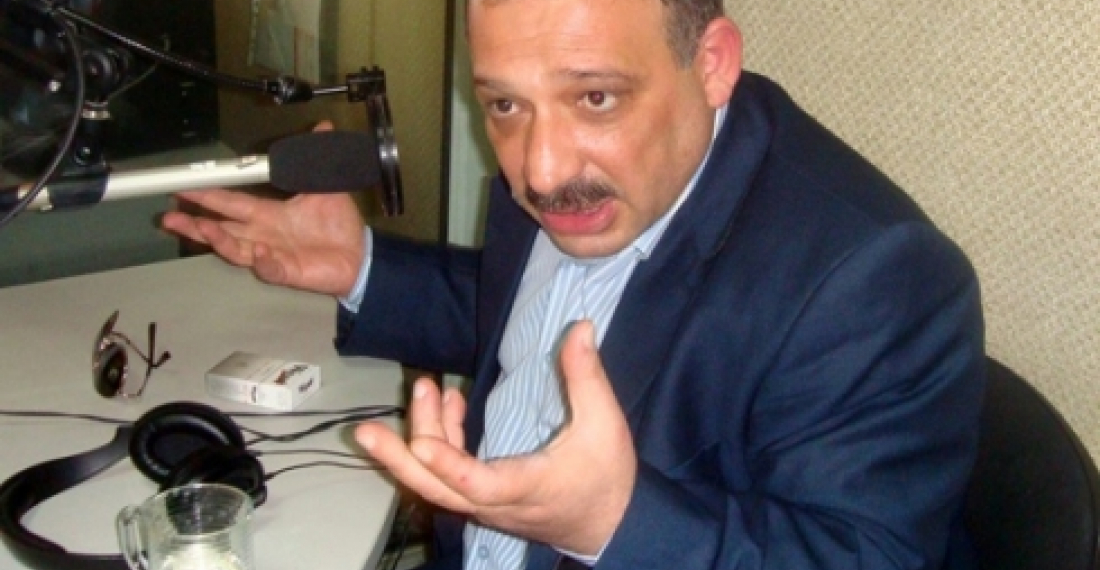
Фото: Рауф Миркадыров (фото любезно предоставлено РСЕ / RL.org)
Related articles

Editor's choice
News
Russia adds pressure on Armenia ahead of key elections; recalls Ambassador in Yerevan for consultations

Russia adds pressure on Armenia ahead of key elections; recalls Ambassador in Yerevan for consultations

Ahead of key parliamentary elections,scheduled to be held in Armenia on Sunday, 7 June, Russia continues to attempt to put pressure on the Armenian Government led by prime minister Nikol Pashinyan. On 30 May, Russia recalled its Ambassador to Yerevan for consultations. A terse statement, published on the website of the Russian Foreign Ministry, said, "The Ambassador of the Russian Federation to the Republic of Armenia , S.P. Kopyrkin, has been summoned to Moscow for consultations in connection with the steps taken by the Armenian leadership to move closer to the European Union, which are detrimental to cooperation within the EAEU." This followed a statement issued the day before, by the leaders of the Eurasian Economic Union (EAEU) that challenges the Armenian trajectory towards approximating to the European Union. Vladimir Putin is undertood to have personally pushed the other four EAEU leaders to issue the statement, which said: "Taking into account the significant risks to the economic security of the member states of the Eurasian Economic Union (hereinafter referred to as the Union) arising in connection with the preparation of the Republic of Armenia for accession to the European Union, as well as the need to prevent the associated damage to the member states of the Union: decided that the members of the Eurasian Intergovernmental Council from the Republic of Belarus, the Republic of Kazakhstan, the Kyrgyz Republic and the Russian Federation will report at the next meeting of the Supreme Eurasian Economic Council in December 2026 on the possible consequences of the suspension of the Treaty on the Eurasian Economic Union with respect to the Republic of Armenia. We share the position on the need to hold a national referendum in the Republic of Armenia as soon as possible on joining the European Union or continuing to be part of the Eurasian Economic Union."
Editor's choice
News
The leaders of the states of the Eurasian Economic Union issued a tough statement warning fellow-member state Armenia of the consequences of its desire to join the European Union.

The leaders of the states of the Eurasian Economic Union issued a tough statement warning fellow-member state Armenia of the consequences of its desire to join the European Union.

The leaders of the states of the Eurasian Economic Union (EEAS) issued a tough statement warning fellow-member state Armenia of the consequences of its desire to join the European Union. The stark, sharply worded,  warning, comes days before crucial parliamentary elections in Armenia, scheduled for 7 June. The full statement said, “We, the Presidents of the Republic of Belarus, the Republic of Kazakhstan, the Kyrgyz Republic and the Russian Federation, Taking into account the actions of the Republic of Armenia aimed at joining the European Union, including the approval in 2025 by the National Assembly of the Republic of Armenia and the signing by the President of the Republic of Armenia of the Law of the Republic of Armenia "On the Start of the Process of Accession of the Republic of Armenia to the European Union", as well as the confirmation by the European Union of the European aspirations of the Government of the Republic of Armenia, expressed in the joint declaration following the first Armenia-European Union summit, adopted on 5 May 2026, Taking into account the significant risks to the economic security of the member states of the Eurasian Economic Union (hereinafter referred to as the Union) arising in connection with the preparation of the Republic of Armenia for accession to the European Union, as well as the need to prevent the associated damage to the member states of the Union: decided that the members of the Eurasian Intergovernmental Council from the Republic of Belarus, the Republic of Kazakhstan, the Kyrgyz Republic and the Russian Federation will report at the next meeting of the Supreme Eurasian Economic Council in December 2026 on the possible consequences of the suspension of the Treaty on the Eurasian Economic Union with respect to the Republic of Armenia. We share the position on the need to hold a national referendum in the Republic of Armenia as soon as possible on joining the European Union or continuing to be part of the Eurasian Economic Union. Astana, May 29, 2026” A meeting of the Supreme Eurasian Economic Council was held in Astana, Kazakhstan, on May 29, 2026. The meeting of the Supreme Eurasian Economic Council in a restricted format was attended by Russian President Vladimir Putin, Belarusian President Alexander Lukashenko , Kazakh President Kassym-Jomart Tokayev , Kyrgyz President Sadyr Japarov , Armenian Deputy Prime Minister Mher Grigoryan, and Chairman of the Board of the Eurasian Economic Commission Bakytzhan Sagintayev. From the Russian side, the meeting was also attended by Deputy Prime Minister and member of the Council of the Eurasian Economic Commission Alexey Overchuk and Presidential Aide Yury Ushakov . The heads of delegations from EAEU observer states, including President of Uzbekistan Shavkat Mirziyoyev , Vice President of Cuba Salvador Valdés Mesa, Minister of Industry, Mines, and Trade of Iran Mohammad Atabak, and CIS Secretary General Sergei Lebedev, joined the expanded meeting . Following the meeting of the Supreme Eurasian Economic Council, a number of documents were signed .

Popular

Editor's choice
Interview
Thursday Interview: Murad Muradov

Thursday Interview: Murad Muradov

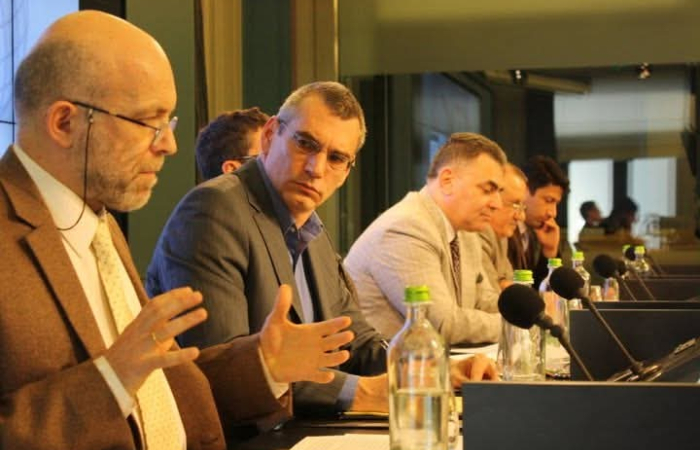
Today, commonspace.eu starts a new regular weekly series. THURSDAY INTERVIEW, conducted by Lauri Nikulainen, will host  persons who are thinkers, opinion shapers, and implementors in their countries and spheres. We start the series with an interview with Murad Muradov, a leading person in Azerbaijan's think tank community. He is also the first co-chair of the Action Committee for a new Armenian-Azerbaijani Dialogue. Last September he made history by being the first Azerbaijani civil society activist to visit Armenia after the 44 day war, and the start of the peace process. Speaking about this visit Murad Muradov said: "My experience was largely positive. My negative expectations luckily didn’t play out. The discussions were respectful, the panel format bringing together experts from Armenia, Azerbaijan, and Turkey was particularly valuable during the NATO Rose-Roth Seminar in Yerevan, and media coverage, while varied in tone, remained largely constructive. Some media outlets though attempted to represent me as more of a government mouthpiece than an independent expert, which was totally misleading.  Overall, I see these initiatives as important steps in rebuilding trust and normalising professional engagement. The fact that soon a larger Azerbaijani civil society visits to Armenia followed, reinforces the sense that this process is moving in the right direction." (click the image to read the interview in full)