Азербайджан усиливает риторику против Минской Группы. Ряд высших должностных лиц Азербайджана на протяжении последних недель выразили неудовлетворение процессом.

Ряд высших должностных лиц Азербайджана на протяжении последних недель сделали несколько суровых заявлении по работе сопредседателей и выразили неудовлетворение процессом.

То, что Азербайджан недоволен Минским процессом, и особенно работой трех сопредседателей - дипломаты, представляющие Францию, Россию и Соединенные Штаты - не ново. Недовольство  периодически появляется время от времени и, как правило, отражает события в скрытом переговорном процессе, который призван выработать решение нагорно-карабахского конфликта.

Однако, похоже, что текущая критика длится дольше и выглядит скоординированной. Должностные лица, включающие заместителя руководителя администрации президента Азербайджана Новруза Мамедова и руководителя пресс-службы Министерства иностранных дел, регулярно делают критические замечания, хотя и сам министр иностранных дел Эльмар Мамедъяров ведет себя деликатнее, что не удивительно, так как он является тем, кто лично встречается с сопредседателями во время проведения переговоров. Последним присоединившимся к этой акате является директор SAM - Центра стратегических исследований при президенте, Фархад Мамедов.

Азербайджанские СМИ цитируют Мамедова: "Заявление сопредседателей Минской группы ОБСЕ говорит о том, что они демонстрируют определенную обреченность, и в сложившейся на данный момент ситуации больше обвиняют стороны конфликта. В то время как сопредседатели сами должны изложить свои принципиальные позиции".

"То есть, Минская группа ОБСЕ, действующая в рамках международного права должна стремиться к поэтапному урегулированию армяно-азербайджанского конфликта, что предполагает в первую очередь освобождение оккупированных территорий Азербайджана", заявил Мамедов. По его словам, перекладывать вину на Армению и Азербайджан из-за сложившейся паузы в переговорах не имеет смысла, и это отражает желание отмахнуться от ответственности за мирное решение нагорно-карабахской проблемы. "С другой стороны, в качестве официальной причины указывается проведение в обеих странах президентских выборов. Однако азербайджанское общество в вопросе Нагорного Карабаха имеет единое мнение, основным выразителем которого является президент", сказал Мамедов, отметив, что основные принципы урегулирования уже известны и Баку не собирается отступать от них.

"В то же время мы не сможем принять в качестве предлога для затягивания переговорного процесса какие-либо политические передряги в Армении. Власти Армении на сегодня контролируют парламент и у официального Еревана есть все рычаги для проведения через законодательное собрание решения по нагорно-карабахскому конфликту", - добавил глава SAM, напомнив, что в ближайшем будущем в Армении не намечаются выборные процессы. "Есть все возможности для того, чтобы в ближайшие два года возобновить и логически завершить переговорный процесс по армяно-азербайджанскому конфликту", - заключил Ф. Мамедов.

По словам политического редактора Commonspace.eu:

"Кажется, Азербайджан репозиционирует себя, впервую очередь, чтобы не быть обвиненым в текущем провале в переговорах, но также, возможно, перед спланированной попыткой изменить формат переговоров, который, как он считает, не позволяет достичь урегулирования конфликта, и хуже того, укрепляет статус-кво.

Хотя Азербайджан и далек от того, чтобы быть полностью невиновным в сложившейся тупиковой ситуации, в азербайджанской позиции есть определенная доля истины. Неограниченный по времени Минский процесс, который  тянется вот уже в течение более двадцати лет без каких-либо ощутимых результатов, и инстинктивная реакция личностей вовлеченных в процесс, которые защищают свои достижения, говоря, что могло быть и хуже - Худой мир лучше хорошей войны, как недавно заявил высокопоставленный российский чиновник на Постоянном совете ОБСЕ в Вене, - добавляет разочарование Азербайджану.

Пока не ясно, готов ли Азербайджан отойти от Минского процесса. Возросшая и устойчивая критика Минской группы может быть просто частью стратегии, которая призвана продемонстрировать силу перед проведением предстоящих президентских выборов. Но это, конечно же, не принесет пользы уже и так умирающему мирному процессу. Надежда Фархада Мамедова на то, что переговоры между Арменией и Азербайджаном в рамках Минской группы могут быть "обновлены и логически завершены" в течение ближайших двух лет на данный момент выдают желаемое за действительное. Это может произойти только, если все вовлеченные стороны, Азербайджан включительно, проявят большую гибкость и добрую волю".


Источник: Commonspace.eu по материалам 1news.az

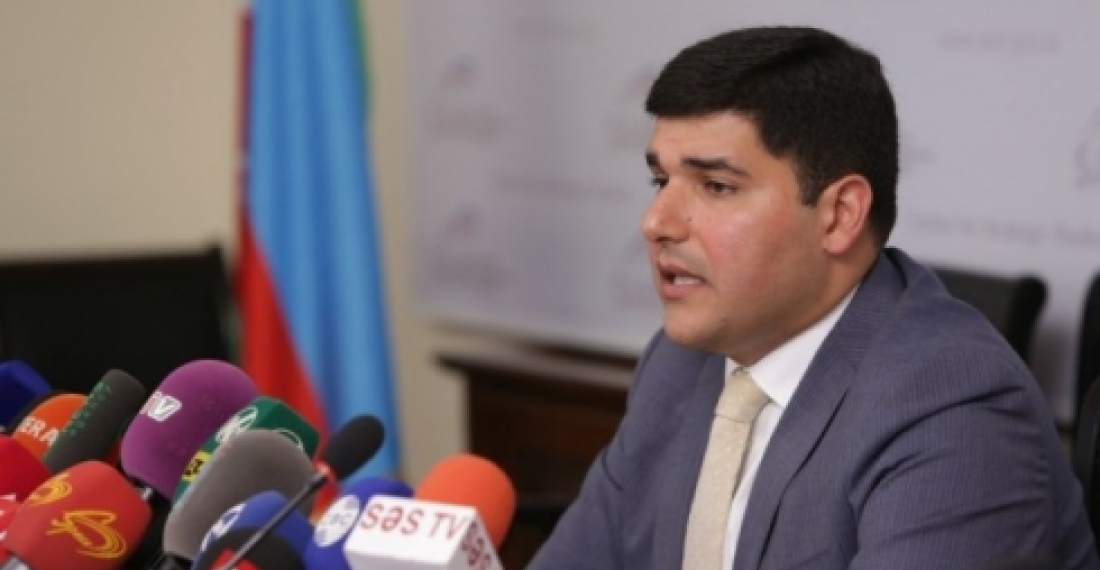
фото: Фархад Мамедов, директор Центра стратегических исследований при президенте Азербайджана
Related articles

Editor's choice
News
Russia adds pressure on Armenia ahead of key elections; recalls Ambassador in Yerevan for consultations

Russia adds pressure on Armenia ahead of key elections; recalls Ambassador in Yerevan for consultations

Ahead of key parliamentary elections,scheduled to be held in Armenia on Sunday, 7 June, Russia continues to attempt to put pressure on the Armenian Government led by prime minister Nikol Pashinyan. On 30 May, Russia recalled its Ambassador to Yerevan for consultations. A terse statement, published on the website of the Russian Foreign Ministry, said, "The Ambassador of the Russian Federation to the Republic of Armenia , S.P. Kopyrkin, has been summoned to Moscow for consultations in connection with the steps taken by the Armenian leadership to move closer to the European Union, which are detrimental to cooperation within the EAEU." This followed a statement issued the day before, by the leaders of the Eurasian Economic Union (EAEU) that challenges the Armenian trajectory towards approximating to the European Union. Vladimir Putin is undertood to have personally pushed the other four EAEU leaders to issue the statement, which said: "Taking into account the significant risks to the economic security of the member states of the Eurasian Economic Union (hereinafter referred to as the Union) arising in connection with the preparation of the Republic of Armenia for accession to the European Union, as well as the need to prevent the associated damage to the member states of the Union: decided that the members of the Eurasian Intergovernmental Council from the Republic of Belarus, the Republic of Kazakhstan, the Kyrgyz Republic and the Russian Federation will report at the next meeting of the Supreme Eurasian Economic Council in December 2026 on the possible consequences of the suspension of the Treaty on the Eurasian Economic Union with respect to the Republic of Armenia. We share the position on the need to hold a national referendum in the Republic of Armenia as soon as possible on joining the European Union or continuing to be part of the Eurasian Economic Union."
Editor's choice
News
The leaders of the states of the Eurasian Economic Union issued a tough statement warning fellow-member state Armenia of the consequences of its desire to join the European Union.

The leaders of the states of the Eurasian Economic Union issued a tough statement warning fellow-member state Armenia of the consequences of its desire to join the European Union.

The leaders of the states of the Eurasian Economic Union (EEAS) issued a tough statement warning fellow-member state Armenia of the consequences of its desire to join the European Union. The stark, sharply worded,  warning, comes days before crucial parliamentary elections in Armenia, scheduled for 7 June. The full statement said, “We, the Presidents of the Republic of Belarus, the Republic of Kazakhstan, the Kyrgyz Republic and the Russian Federation, Taking into account the actions of the Republic of Armenia aimed at joining the European Union, including the approval in 2025 by the National Assembly of the Republic of Armenia and the signing by the President of the Republic of Armenia of the Law of the Republic of Armenia "On the Start of the Process of Accession of the Republic of Armenia to the European Union", as well as the confirmation by the European Union of the European aspirations of the Government of the Republic of Armenia, expressed in the joint declaration following the first Armenia-European Union summit, adopted on 5 May 2026, Taking into account the significant risks to the economic security of the member states of the Eurasian Economic Union (hereinafter referred to as the Union) arising in connection with the preparation of the Republic of Armenia for accession to the European Union, as well as the need to prevent the associated damage to the member states of the Union: decided that the members of the Eurasian Intergovernmental Council from the Republic of Belarus, the Republic of Kazakhstan, the Kyrgyz Republic and the Russian Federation will report at the next meeting of the Supreme Eurasian Economic Council in December 2026 on the possible consequences of the suspension of the Treaty on the Eurasian Economic Union with respect to the Republic of Armenia. We share the position on the need to hold a national referendum in the Republic of Armenia as soon as possible on joining the European Union or continuing to be part of the Eurasian Economic Union. Astana, May 29, 2026” A meeting of the Supreme Eurasian Economic Council was held in Astana, Kazakhstan, on May 29, 2026. The meeting of the Supreme Eurasian Economic Council in a restricted format was attended by Russian President Vladimir Putin, Belarusian President Alexander Lukashenko , Kazakh President Kassym-Jomart Tokayev , Kyrgyz President Sadyr Japarov , Armenian Deputy Prime Minister Mher Grigoryan, and Chairman of the Board of the Eurasian Economic Commission Bakytzhan Sagintayev. From the Russian side, the meeting was also attended by Deputy Prime Minister and member of the Council of the Eurasian Economic Commission Alexey Overchuk and Presidential Aide Yury Ushakov . The heads of delegations from EAEU observer states, including President of Uzbekistan Shavkat Mirziyoyev , Vice President of Cuba Salvador Valdés Mesa, Minister of Industry, Mines, and Trade of Iran Mohammad Atabak, and CIS Secretary General Sergei Lebedev, joined the expanded meeting . Following the meeting of the Supreme Eurasian Economic Council, a number of documents were signed .

Popular

Editor's choice
Interview
Thursday Interview: Murad Muradov

Thursday Interview: Murad Muradov

Today, commonspace.eu starts a new regular weekly series. THURSDAY INTERVIEW, conducted by Lauri Nikulainen, will host  persons who are thinkers, opinion shapers, and implementors in their countries and spheres. We start the series with an interview with Murad Muradov, a leading person in Azerbaijan's think tank community. He is also the first co-chair of the Action Committee for a new Armenian-Azerbaijani Dialogue. Last September he made history by being the first Azerbaijani civil society activist to visit Armenia after the 44 day war, and the start of the peace process. Speaking about this visit Murad Muradov said: "My experience was largely positive. My negative expectations luckily didn’t play out. The discussions were respectful, the panel format bringing together experts from Armenia, Azerbaijan, and Turkey was particularly valuable during the NATO Rose-Roth Seminar in Yerevan, and media coverage, while varied in tone, remained largely constructive. Some media outlets though attempted to represent me as more of a government mouthpiece than an independent expert, which was totally misleading.  Overall, I see these initiatives as important steps in rebuilding trust and normalising professional engagement. The fact that soon a larger Azerbaijani civil society visits to Armenia followed, reinforces the sense that this process is moving in the right direction." (click the image to read the interview in full)